Have you seen Maid Brigade's latest videos? These videos are stock full of great ideas and quick tips to help making your house cleaning quicker and easier for the holiday season!
Log on to https://on.fb.me/Ra5Ybi to watch.
Enjoy!

Have you seen Maid Brigade's latest videos? These videos are stock full of great ideas and quick tips to help making your house cleaning quicker and easier for the holiday season!
Log on to https://on.fb.me/Ra5Ybi to watch.
Enjoy!
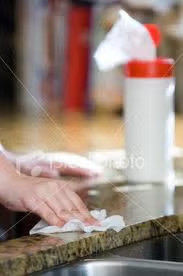
When the holiday season comes around, I always try and clean my house really well. I try and "de-germ" my home the best I can so it looks fresh for the holidays and stays free from germs that cause the flu.
When I clean and disinfect, I always use natural, safe ingredients. I stay away from any cleaners that contain hazardous chemicals that cause respiratory problems and skin irritations. Using natural ingredients reduces my chemical exposure and is better for the indoor air in my home.
For a great disinfectant to clean your kitchen countertops, combine 2 cups water, 20 drops of tea tree oil, 1/2 teaspoon liquid dish soap, and 2 tablespoons vinegar into a spray bottle. Shake well and start cleaning!
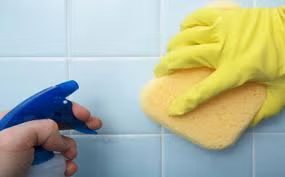
For a good bathroom disinfectant that actually cleans tubs, showers, and toilets, combine 2 tablespoons borax, 3 cups water, and 4 tablespoons white vinegar into a spray bottle. Shake well and use. To make the cleaner more effective, try adding 1/2 teaspoon of liquid soap to the mix.
Happy disinfecting!
Cleaning your home with toxic household cleaners can do more harm than good.
Many household cleaners contribute to indoor air pollution because cleaners contain petrochemicals solvents that help dissolve dirt. The petrochemical solvents fill the air with fumes. And, believe it or not, there is still no law that requires manufacturers of cleaning products to list ingredients on labels OR to test their products for safety.
The list of toxic chemicals found in household cleaners is long. Here are just a few:
Formaldehyde, a suspected carcinogen and respiratory irritant found in air deodorizers.
Chlorinated phenols, toxic to respiratory and circulatory systems and found in toilet bowl cleaners.
Petroleum solvents, damage mucous membranes and are found in floor cleaners.
Phenols, toxic to respiratory system and found in disinfectants.
Butyl cellosolve, can damage bone marrow, kidneys, and liver. It is found in window and all-purpose cleaners.
When buying household cleaning products, look for ones that list their ingredients on the label. stay away from products containing petroleum-based surfactants, chlorine, and/or phosphates. Look for non-toxic and biodegradable cleaners that can clean your home without polluting your indoor air in the process.
If you prefer to make your own household cleaners and skip the toxic cleaners altogether, try these recipes that will keep your home sparkling clean and smelling healthy:
Furniture polish: Combine 1 teaspoon lemon juice ans 1 pint of mineral or vegetable oil. Apply to a clean cloth and wipe wood parts of furniture.
Glass cleaner: Mix together 1 1/2 cups white vinegar, 1/2 cup water, and 10 drops of citrus essential oil in a spray bottle. Spray and wipe with a dry cloth.
Scouring powder: Combine 1 cup baking soda, 1/4 cup borax, 1/2 grated lemon peel, and 2 teaspoons cream of tarter. Mix well. Scrub with a damp sponge.
Deodorize your carpets by sprinkling baking soda on them. Wait about 15 minutes, then vacuum.
Autumn is a great time to start "closing up shop outdoors" and preparing for the cooler weather. Cleaning the grill, the flower pots, and the outdoor furniture are all things I like to do before I store them away for the winter.
I clean my outdoor chairs and tables with a mix of 1 cup baking soda and some warm water. I wipe it on the furniture, then rinse thoroughly.
For my wicker furniture, I try and scrub it with a stiff brush that was soaked in salt water. I then leave the furniture out in the sun to dry.
At the end of the summer there are always grease stains here and there on my outdoor deck, usually from the grill, or from spilled sun tan lotion. I get rid of the stains by sprinkling baking soda on the stain, letting it sit for about an hour, then scrubbing it off with a wet scrub brush. This works very well if you clean the stains right after they happen.
I clean my grill and the racks with a baking soda and vinegar mix. First I apply it, then I rinse thoroughly. Don't worry...vinegar and baking soda are safe to use around food!
With a 1/4 cup of baking soda and a quart of warm water, I can clean all the pool toys! This mixture also helps remove the musty smell that accumulates on them throughout the season.
I clean my outdoor screens by dipping a damp wire brush into baking soda and scrubbing. I then rinse the screens with a sponge or a hose.
I scrub dirt spots off my aluminum siding by cleaning them with a soft-bristled brush dipped in a solution of baking soda and water, then rinsing them.
My birdbath is cleaned by scrubbing it with white vinegar and rinsing well.
I also soak all of my house planters in a solution of vinegar and water. This helps get rid of the crusty rim deposits that build up on the planters.
When I am done cleaning outdoors, I store it all in the shed where it stays nice and clean for next season!
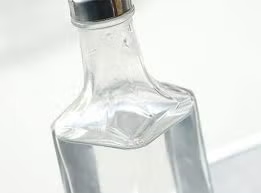
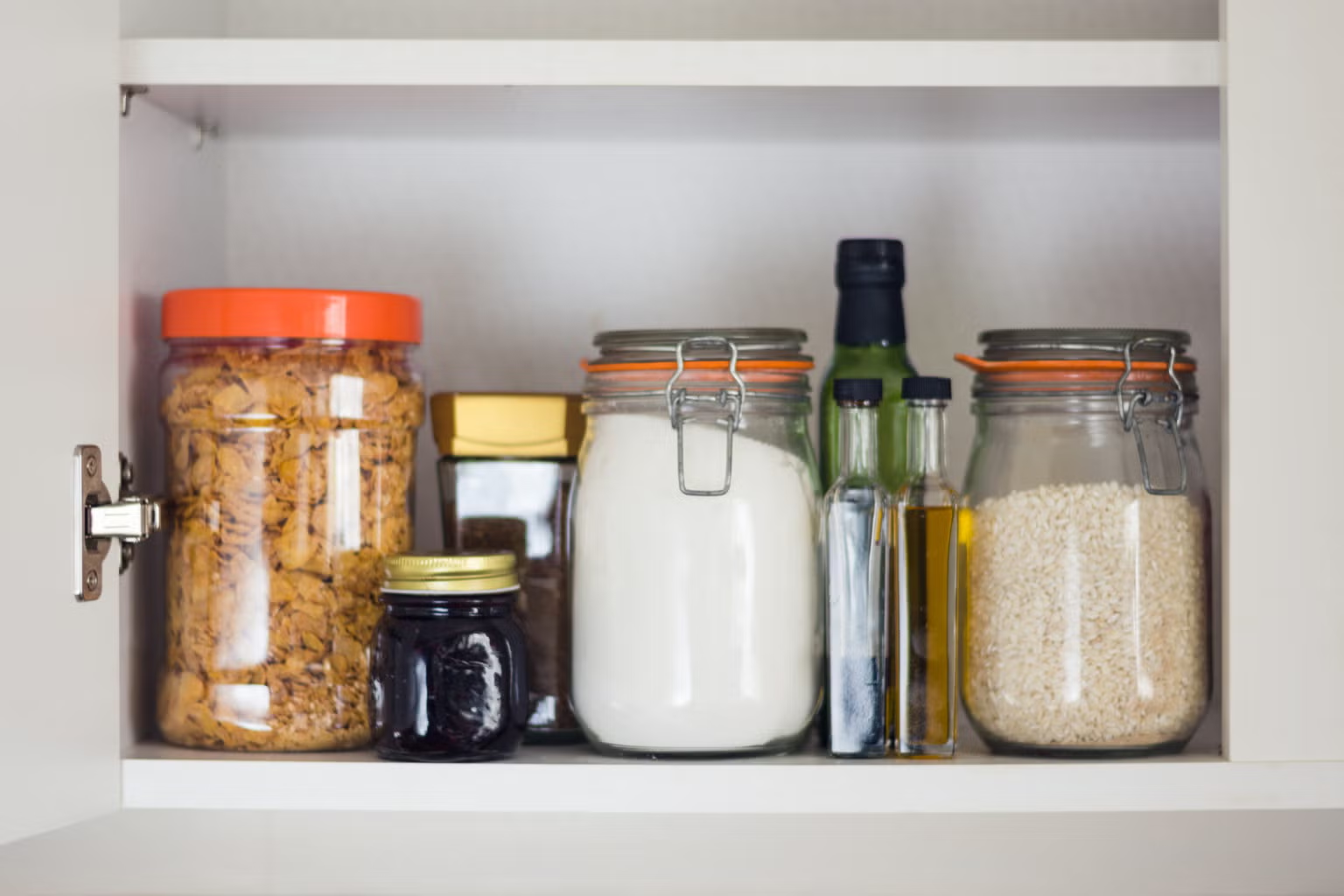
Distilled white vinegar is one of my favorite things to use when cleaning my home. Vinegar is onexpensive to buy, and I use it to clean just about everything!
I recently used equal parts of baking soda and vinegar to scrub the stains off of my coffee pot. I also wipe down my plastic containers with vinegar. The vinegar gets rid of the stains and the smell of old food. To remove odors in lunchboxes, I just soak a slice of bread in vinegar and leave it in the lunchbox overnight. The lunchbox smells nice and clean the next morning!
To get rid of those annoying fruit flies, I set out a bowl of white vinegar. To keep ants out of my home, I spray vinegar outside all of my doorways and windows.
To remove those "hard to peel" stickers and price tags, I soak a cloth with vinegar and scrub the tags off. For tougher labels, cover the label with a cloth soaked in vinegar overnight. The label should come right off the next day.
I even use vinegar to clean my kitchen sponges! I add 1/4 cup vinegar to a bowl of water. I then place my sponges in the bowl and let them soak overnight. The next day they are clean and ready to use!
How do you use vinegar to clean? Share your comments with us!
Cleaning my home is one thing, but getting rid of odors can sometimes be a tough thing to do! Here are some ways to remove odors and keep your home smelling as fresh as it is clean:
Since baking soda neutralizes pH levels, which cuts through bad smells, sprinkle it in places like trash cans, shoes, clothing, litter boxes, carpets, and even hampers.
Believe it or not, white vinegar is also used to neutralize many of the same odors as baking soda. Instead of keeping an open box of baking soda in the fridge, place an open cup of vinegar in there instead. In fact, an open cup or bowl of vinegar can be left in any room where you want to eliminate odor.
Believe it or not, oats can eliminate odors too. Leave a bowl out and odors will soon fade away!
For the coffee lovers out there, coffee can reduce odors in things that belong to smokers, like cars and furniture.
Lemon juice is great for neutralizing food smells like garlic and fish. Rub some lemon juice over the cutting board when cleaning, or rub some lemon juice on your hands after chopping garlic! Adding a couple teaspoons of lemon juice with the water to your humidifier will keep it smelling fresh. Throw some lemon peels in your garbage disposal to keep odors at bay.
Bring a pot of water and cinnamon to a boil and let the sweet smelling steam remove odors throughout your kitchen.
Clogged drains happen pretty often in my home, especially the bathroom drain. Because chemical drain cleaners are among the most dangerous of all household cleaners, I try to avoid using them as much as possible.
Some drain cleaners contain sodium hydroxide and sodium hypochlorite (bleach) that can burn eyes and skin. Some are very fatal if they are ingested. Avoiding toxic chemicals and learning how to clean my home using natural homemade solutions is the way to go.
I try to prevent drains from becoming blocked in the first place by catching hair and other particles with metal or plastic drain screens. These screens can be found at any hardware or home improvement store.
If a clogged drain does happen, I use a snake plumbing tool to remove the blockage. After that I pour a half cup of baking soda down the drain, followed by 1 cup of vinegar. The smell of this solution is horrible but I do believe it works!
How do you unclog your drains? Write to us and let us know.
Every year, the last two weeks in June are extremely hectic for me. Trying to balance work, school, kids activities, final exams, graduations, and end of year parties, my life gets overwhelmed and my house gets really messy! I try my best to keep my stress level at a minimal but when I come home to a dirty house, my stress level increases.
Because my cleaning time is very minimal, I always rely on the quickest ways to clean my house. For starters, I use the same natural cleaners to clean just about every room in my house: Vinegar, lemon juice, and baking soda.
Vinegar is like an all-purpose cleaner, a disinfectant, and a deodorizer. By mixing equal parts of vinegar and water in a spray bottle, I can clean most of my home with this wonderful solution. The vinegar smell usually subsides once the vinegar dries.
Lemon juice is great for dissolving soap scum and hard water deposits. Because of its natural bleaching qualities, lemon juice can also be used to treat stains. I usually make a paste using lemon juice mixed with baking soda. Sometimes I mix lemon juice with vinegar instead. Before using lemon juice, I would recommend testing it on a hidden surface area first.
I use baking soda as a deodorizer. I also rely on it to scrub surfaces, countertops, and bathtubs! I use it in my laundry and for brushing my teeth...it is a great cleaner because of its versatility.
Now that the warmer weather is here, many of us prefer to be outdoors as much as possible. I know I do! As a native New Yorker, I appreciate the warmer weather because it only comes around half the year. Because I would rather be riding my bike or taking a walk and breathing in fresh clean air, I want to do as little cleaning as possible indoors but still keep my home looking fresh. Here are a couple of tricks I use to keep my cleaning time indoors limited:
Believe it or not, I use a tennis ball to remove scuffs off of my kitchen tile floor. My kids love helping me with this chore becasue they think it is the coolest thing in the world!
Sometimes when the fridge smells like last weeks leftovers, I put some of my used coffee grounds in a small bowl and leave it in the fridge. The smells disappear everytime!
To clean mold and mildew spots off of my shower curtain and around the bathtub, I mix baking soda and lemon juice together (equal parts of each) and make a paste. Using an small paintbrush, I brush the paste onto the mold and mildew spots, wait a few hours, then wipe it clean. Viola! It works every time and it smells great!
Vinegar and water mixed together in a spray bottle can clean almost anything! I use it for kitchen and bathroon countertops and even my stainless steel appliances.
One of my favorite tricks for getting dirt stains off the collars of my husband's shirts is to draw over the stain with my daughter's white chalk. Somehow the chalk gets the grease stain out of the shirt....like magic! I then wash the shirt like I normally do with Borax.
Got any tips, ideas, or tricks on easy cleaning to share? Write to us and let us know!
For years, I have tried all sorts of cleaning products and cleaning equipment in search of that "perfect one." I have followed every fad there was and used every cleaning product that came out on the market. And I have to say, microfiber cloths are probably one of my favorite items to clean with.
I use microfiber cloths for everything! I have a separate one for each room in my house, and then extra ones that I use to clean other things, like my artificial plants and my real plants. To remove dust off of the plant leaves, I usually wet (lightly) a microfiber cloth and wipe right over the leaves. For my real plants, the cloth not only cleans the leaves but the damp cloth also gives the plants moisture.
I keep a microfiber cloth in the bathroom for those everday messes around the sink and on the mirror. A couple quick wipes on the mirror, the countertop and the faucets makes my bathroom shine in just minutes. I do the same for my kitchen to keep it sparkling everyday.
Since the dashboard in my car always gets dusty, I also keep a microfiber cloth in the glove compartment. Wiping off the steering wheel and the dashboard helps keep my car looking fabulous!
Believe it or not, I also use microfiber cloths on my dog and my cat. When the dog comes in from outside, I wipe his feet off with a dry microfiber cloth. Sometimes I even dampen a cloth and wipe his fur. I use a cloth on the cat to wipe her paws off too.
There are so many uses for microfiber cloths, I could go on and on! But the best part about the cloth is that it is reusable, which saves me money. When the cloths become dirty, I throw them into the washing machine.
Do you use microfiber cloths in your home? What is your favorite thing to clean with? Share your stories, ideas and tips with us!
Did you know that you can clean your carpets by using just a few inexpensive ingredients found right in your own home? Effective, nontoxic cleaners create a safer environment for your family, especially for pets and children who are in close contact with the floor.
Choose eco-friendly carpet cleaners. Many over-the-counter carpet cleaning products contain pesticides, formaldehyde and other harmful toxins similar to those used in chemical dry cleaning.
These chemicals release fumes called volatile organic compounds (or VOCs), and according to the Environmental Protection Agency, they can cause many short- and long-term health problems, such as headaches, vomiting, asthma attacks, skin allergies, loss of coordination, cancer and damage to the kidneys and liver.
Homemade Carpet Cleaners
Clean carpets with natural ingredients, like vinegar, water, baking soda and plant-based soap.
Deodorize, disinfect and remove light stains by spraying soiled carpet with a mixture of 1 part distilled white vinegar and 1 part water. Let sit for a few minutes then rinse the area with water.
To make a simple, nontoxic carpet shampoo, mix a cup of warm water and 1/2 teaspoon of vegetable oil-based soap. Rub the mixture into the carpet with a brush. Rinse area thoroughly with clean water.
For tough stains, replace commercial carpet detergents with a thick mixture of baking soda, water and plant-based soap.
Remove fresh red wine stains with full-strength club soda.
Make sure to porvide adequate ventilation when using water and liquid cleaners on carpets to prevent the growth of mold.
Homemade Steam Cleaners
Instead of using commercial steam-cleaning detergents, pour tap water or a mixture of equal parts white vinegar and water in the steam cleaner’s reservoir.
For soiled areas, use more vinegar, just make sure to test the mixture on a small area first to check for discoloration. Use the steam cleaner as directed by the manufacturer’s instructions. Make sure to provide adequate ventilation to prevent mold growth. The vinegar smell will disappear when the carpet dries.
Baking soda naturally absorbs odors and moisture from the carpet.
To remove greasy stains, mix 2 cups baking soda and 1/2 cup cornmeal or cornstarch. Sprinkle the mixture across the carpet and let it sit for at least a half an hour. Vacuum the area.
For stains with odors, add 1 tablespoon ground cloves and 5 crumbled bay leaves or a few drops of lavender essential oil to the baking soda mixture.
Maid Brigade House Cleaning Services cares about the health of you and your family. For more information on healthy green living and green cleaning, please log on to https://greencleancertified.com and https://maidbrigade.com. To learn more about the asthma and allergy triggers in your home, or to learn more about household products and breast cancer, please log on to https://www.greencleancertified.com/greentv.
Baking soda and washing soda both absorb odors. But unlike baking soda, slightly stronger washing soda cannot be ingested, so wear rubber gloves when handling it.
You can use either baking soda or washing soda to clean the following:
Can opener. Dip a toothbrush in a paste of 2 tablespoons baking soda and 1 teaspoon water and use it to dislodge gunk.
Garage floors/concrete surfaces. Pour washing soda generously on oil and grease spots and sprinkle with water until a paste forms. Let stand overnight. The next day, scrub with a damp brush, hose down, and wipe clean.
Garden tools. Dip a moist stiff-bristled brush in washing soda to scrub trimmers, clippers, and more. Rinse, then place in a sunny area to dry. Avoid using washing soda on aluminum tools.
Grills and barbecue utensils. To combat tough grease stains, dip a moist stiff- bristled brush in washing soda and scrub away.
Stove burner grates. In a dish pan, soak the grates in 1 gallon warm water and ½ cup washing soda for 30 minutes. Rinse and dry.
Stained teacups and coffee mugs. Fill with 1 part baking soda and 2 parts water and soak overnight. Rub with a sponge and rinse.
Upholstered furniture. To remove odors, sprinkle baking soda on the fabric, then vacuum.
Scuffed walls. Erase crayon marks by applying a baking soda paste (equal parts baking soda and water) to white painted walls only. Baking soda may dull colored walls. Let dry before brushing it off with a clean cloth.
Maid Brigade House Cleaning Services cares about the health of you and your family. For more information on healthy green living and green cleaning, please log on to https://greencleancertified.com and https://maidbrigade.com. To learn more about the asthma and allergy triggers in your home, or to learn more about household products and breast cancer, please log on to https://www.greencleancertified.com/greentv