Category: Healthy Body

6 Easy Ways to Help Ward off the Flu

According to the Centers for Disease Control and Prevention (CDC), every year about 20 percent of the population gets the flu and more than 200,000 people are hospitalized from seasonal flu-related complications.

Because flu seasons are unpredictable, you could make yourself crazy trying to prevent the inevitable.  Here are six simple tips for flu prevention to help you get started:

1. Exercise to boost your immune system. According to WebMD, moderate exercise, such as brisk walking, for 45 minutes a day, five days a week can promote health and reduce the risk of the viruses by 30 percent.  In one study, women who walked for 12 months had the most resistance in the final quarter of the year.

2. Eat right and get plenty of rest. Eating vegetables and fruits full of antioxidants and getting at least seven hours of sleep a night can help keep you healthy.

3. Use natural disinfectant products when cleaning your home.  Maid Brigade's "Green Cleaning  Guide" offers recipes for cleaning products you can easily make at home. Using microfiber cleaning cloths in each room of the house instead of sponges.  Sponges are a major source of germs. Separate microfiber cloths further prevent spreading germs from one room of the home into another.

4. Practice flu prevention at work. When possible, hold meetings in areas with good ventilation. Keep ample space between you and people who are sick, or, who sneeze or cough openly. Clean computer keyboards regularly and properly disinfect highly used common area surfaces such as conference and break room tables.

5. Teach your children proper hygiene etiquette. Be sure they know to cough into their elbow and to use a tissue when they sneeze. Get them in the habit of hand washing as early as possible. A special tip from Rachel Orscheln, MD, a pediatrician at Washington University School of Medicine in St. Louis, is to teach children to sing their favorite song every time they wash their hands. This way they will spend a solid amount of time with the soap.

6. Uncover surprising places where germs are lurking. Many surfaces and objects that we come in contact with every day are prime spots for harboring flu germs, but what about those “hidden areas” where germs may be lurking? Pay special attention to coffee makers, cutting boards, pillows, toothbrushes, bath mats, contact lens cases, pillows, and laundry baskets.

Creating a Healthy and Clean Environment for Children to Thrive

clean home

Children are creative, curious, and playful by nature. They won’t hesitate to roll around on the floor, crawl under the couch, and get their hands on whatever toy (or toy-like) object they can find. What if that space under the couch is thick with dust? What if those toys they’re so eager to play with haven’t been sanitized in months? Allergens and bacteria could be lurking around every corner and on every surface, making it critical for parents to pay close attention to the cleanliness of their home. 

Besides, children thrive in environments that promote their health, focus, and overall well-being. A clean, sanitary space is the foundation for kids to study, play, and grow without unnecessary distractions or health risks. If you’re wondering how you can best support your child’s development, we recommend maintaining a healthy environment.  

The Connection Between Cleanliness and Child Development

A clean home directly impacts your children’s ability to focus and stay healthy. Research suggests that children who live in cleaner environments are less likely to suffer from respiratory issues and experience fewer sick days, allowing them to stay on top of schoolwork and enjoy activities with friends and family.

Dust, allergens, and bacteria can lead to frequent colds, allergies, or asthma — common conditions that not only affect their physical health but also disrupt learning and play. By creating a space that is free from these irritants, you give your children the tools they need to concentrate, explore, and flourish. Imagine the sound of your children’s laughter or, better yet, the amicable silence as they eagerly tackle homework or fill in coloring books without inhaling harmful irritants. A clean home will bring your imagination to life.

professional cleaning matters

Source

Practical Tips for a Healthier Home

Thankfully, creating a healthier home doesn’t require drastic changes. Small, consistent actions like the ones we’ve listed below can make a big difference. 

  • Control Allergens: Vacuum carpets and rugs regularly, focusing on areas where kids play the most. Use HEPA filters in your vacuum to trap even the smallest particles.
  • Sanitize High-Touch Areas: Germs linger on surfaces like light switches, doorknobs, and toys. A quick but regular wipe-down can prevent the spread of illnesses.
  • Choose Eco-Friendly Products: Kids have a way of touching everything and then putting their hands in their mouths. Opt for safe, non-toxic cleaning products so that no harsh chemical residues are left behind.
  • Declutter Regularly: Organize and simplify living areas to create focused study and play zones. Reducing clutter also helps minimize dust accumulation and distractions.

Reclaim Your Time and Peace of Mind

While routine cleaning is important, achieving and maintaining a truly sanitary home environment often requires the expertise of professionals. A professional cleaning service doesn’t just save time — it ensures a deeper level of clean that can be hard to attain on your own. This is where Maid Brigade excels, offering specialized services to create a healthier home for your family.

Our cleaning teams are trained to tackle the areas often overlooked in everyday cleaning. From deep cleaning carpets to thoroughly sanitizing high-touch surfaces, we address the hidden dirt and allergens that can accumulate over time. We also understand the unique challenges of a family home, like sticky fingerprints on walls or spills in hard-to-reach places.Imagine a home where you don’t have to worry about germs, allergens, or harmful chemicals—a home where your kids can thrive. Better yet, imagine a home that’s clean and organized, allowing you to focus on what matters most: spending quality time with your children. Contact your local Maid Brigade today and let us help you achieve a clean, stress-free home where your children can truly thrive!

Getting Through Allergy Season

When you suffer from allergies, getting through allergy season can be tough, especially if you love going outdoors.

Here are some things to try this allergy season that might help you get the allergy-free relief you need so you can enjoy the great outdoor spring weather.

~ Keep pollen from entering your home by keeping your windows closed.  Since plants release most of their pollen between 5:00 am and 10:00 am, keeping your windows closed at this time is a must!  Use an allergy-reducing HEPA filter air conditioner instead of opening your windows.

~  Log on to www.aaaai.org to check the daily pollen and/or mold counts so you can prepare yourself for the day.

~ Reduce allergens like dust, mold, and pollen by cleaning your home often.  Because microfiber cloths and mops are made with microfibers that are positively charged, they will pick up up dirt, lint, dust, hair, and anything else that comes there way!  Microfiber cleaning tools can also be used dry or with water. Be sure to wipe down computer keyboards, door handles, and counter tops as much as possible during allergy season.

~ To get rid of dust mites, wash all bedding at least once a week in hot water.  If possible, dry bedding in dryer.  Use allergy-free casing around mattresses and pillows.

~ If you spent time outdoors, wash clothing afterwards to get rid of pollen and other allergens that might have gotten on you or your clothes.  Be sure to shower before going to bed.

~ Try not to hang your clothes out in the sun to dry.  Pollen may get all over them.  Use your dryer instead.

~ When driving, keep windows rolled up as much as possible.

~ Since mowing the lawn can expose you to pollen and other allergens, if possible, try and have someone else cut the lawn, rake the leaves, and weed the garden.


Allergy Triggers That Might Be Overlooked

For us allergy sufferers, we spend half the time in spring sneezing and sniffling and the other half trying to avoid allergy triggers.

Here are four places that might be overlooked by some when trying to avoid allergy triggers:

Pillows.  Believe it or not, some pillows  may contain about sixteen different types of fungi.  Protect yourself by washing your pillow in hot water at least four times a year.

Houseplants.  Although certain houseplants are great for cleaning indoor air, they are also famous for harboring mold.  Be sure to wipe off any mold you see with a wet cloth.  Also, be careful not to over-water your plants.  Place plants by a window so they stay dry.

Pets.  The tree and grass pollen that pets sometimes carry on their coats can cause allergies to flare up.  Avoid this by bathing your pet weekly.

Cars.  Carpets, mats, and upholstery in your car can retain moisture from rain brought in on your shoes and clothing, which can make the surfaces in your home a perfect place for mold growth.  Roll down your windows, or run the heat or air in your car for a few minutes.  The air will blow the dust mites and mold spores out of the car.

Updated Information Regarding Antibiotics and Ear Infections

This past week, the American Academy of Pediatrics set new guidelines for identifying and treating ear infections in children.

According to the American Academy of Pediatrics, the guidelines indicating a possible treatment for an ear infection are now more clearly defined.  Observation and close follow-up are encouraged first instead of antibiotic treatment for many children, including those under the age of two.  When dealing with recurrent ear infections, the guidelines advise doctors and parents when it is time to see a specialist.

These new guidelines were set in hopes of decreasing antibiotic use.  The biggest change in the new guidelines compared to thelast guidelines that were issued in 2004 is the definition of the diagnosis itself.  Even though the diagnosis is now more clear-cut and precise, it can still become tricky because of the different stages of an ear infection.

Is It The Cold or Is It The Flu?

The cold and flu season is underway and sometimes when we get sick it can be difficult to distinguish between catching a cold or getting the flu.

Because both the flu and cold have the same symptoms such as a runny nose, aches and pains, and a sore throat, it is best to try and find out exactly which one you have so that you can treat it accordingly.

The first sign to look at is your body temperature.  A normal body temperature is about 98 degrees.  If your temperature goes up to around 100 – 102 degrees, you have a fever, which can mean you may have caught the flu.  A cold usually does not raise your body temperature.

The flu usually comes on suddenly.  Your aches and pains are a little worse than they would be with a cold, and you may feel weak and tired.  The flu also has the ability to turn into pneumonia or bronchitis if you do not allow your body to rest.  In some people, a cold can develop into ear infections or sinus congestion.

Whether you have the flu or a cold, drinking lots of fluids and getting a decent amount of rest will help relieve your symptoms.  Sometimes doctors may prescribe antiviral medications for the flu, however, these types of medications will not work if you have a cold.  Because the cold and flu are caused by viruses, antibiotics will not help.  Why?  Because antibiotics treat bacterial infections.

Before taking any meds to help your flu or cold, talk to your doctor first.  Many over-the –counter medications have side effects that can be dangerous to your health.

Shop Healthy by Avoiding Germs

Planning on doing a little holiday shopping this weekend?

If so, protect yourself from cold and virus germs that may be lingering in those crowded stores:

Hand washing.  Proper hand washing is the key to protecting yourself from germs.  The Centers for Disease Control and Prevention says that hand washing is the most important thing we can do to keep from getting sick and spreading germs to others.

Got cough?  Colds are easily spread after someone coughs or sneezes into their hands and then touches another surface.  This happens over and over in stores, especially at the countertops near the check out line.

Keep your germs to yourself by coughing into your elbow or shoulder and not your hands.

Stay hydrated.  Remember to drink water throughout the day while shopping so you stay hydrated and energized.  Drinking fluids throughout the day helps boost your immune system, which can fight off germs.

Eat right.  Instead of sugary snacks and greasy fast food, pack a granola bar and a piece of fruit ahead of time and snack on healthy snacks while shopping.  Healthier foods keep your energy level up which can help make your holiday shopping easier.


Going Organic

When it comes to shopping for food for my family, I try and buy organic as much as possible.  Because we are on a budget, I "go organic" where it counts.  Here are some fruits and vegetables that, according to the United States Department of Agriculture (USDA), Consumer Reports, and the Environmental Working Group,  are worth buying this summer season.  The fruits and veggies on this list have thick, inedible skins, which protect the fruit, and they contain the least amount of pesticides:

Asparagus, avocados, bananas, broccoli, cauliflower, corn, kiwi, mangoes, onions, papaya,

pineapples, sweet peas.

Try going eating organic when you can.  It is safer and healthier for your family.

Staying Cool in the Heat

It has been a very hot week in New York!  Today it is supposed to hit the 100 degree mark too!  The latest weather report  shows many states are hitting  record high temperatures this summer.  So, while we bask in the sun and enjoy the lovely days of summertime, don't forget to stay hydrated.

All of us need to be careful in extreme heat temperatures, but keep in mind that the elderly, pregnant women, children, and pets are most susceptible to dehydration.

Signs of dehydration are decreased physical activity, dry mouth, irritability, and fussiness.

Drink cool water regularly because dehydration can lead to heat stroke.  Heat stroke can be life threatening and requires immediate, medical attention.

Signs of heat stroke include flushed, red, dry skin, little or no sweating, dizziness, headache, fatigue and confusion.

Besides staying hydrated, other ways to keep cool are:  staying in the shade, wearing light-weight clothing and light-colored clothing, and trying to go outside in the early morning hours before the heat hits its peak.

Homemade Remedies for a Sparkling Clean Home

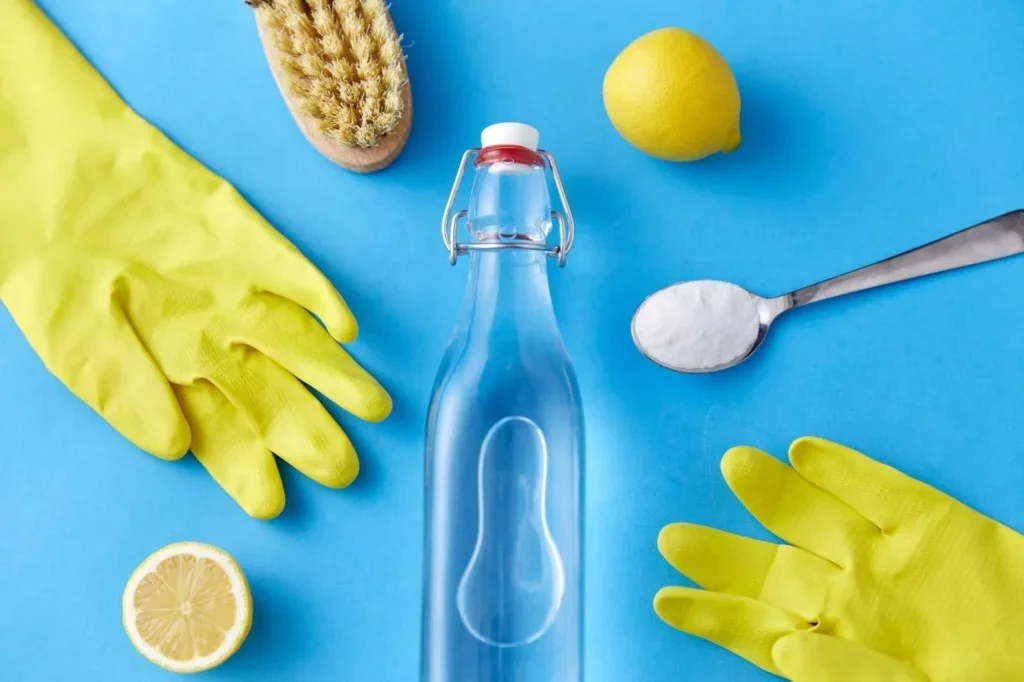
A homemade cleaning solution

Who says you need to spend a fortune on cleaning supplies to achieve a sparkling home? With just a few everyday household items and a touch of creativity, you can whip up some effective, safe, and eco-friendly cleaning solutions. 

DIY cleaning can be fun, cost-effective, and a great way to reduce the number of chemicals entering your home with light maintenance cleans. And when it comes to deeper, professional-grade cleaning, Maid Brigade is here to ensure your home gets the non-toxic, thorough treatment it deserves. Maid Brigade’s PUREcleaning® system — powered by electrolyzed water — delivers a hospital-grade clean without the dangers of harsh chemicals. 

Natural (and Safe!) Cleaning Solutions You Can Try

Many conventional cleaning products contain chemicals that can leave behind harmful residues, contributing to indoor air pollution and potential health risks such as asthma or skin and eye irritation. By switching to natural alternatives, you’re making a safer choice for your home, your loved ones, and even your pets. DIY solutions offer an easy and effective way to keep surfaces fresh while avoiding unnecessary exposure to toxins. 

Sparkling Surfaces

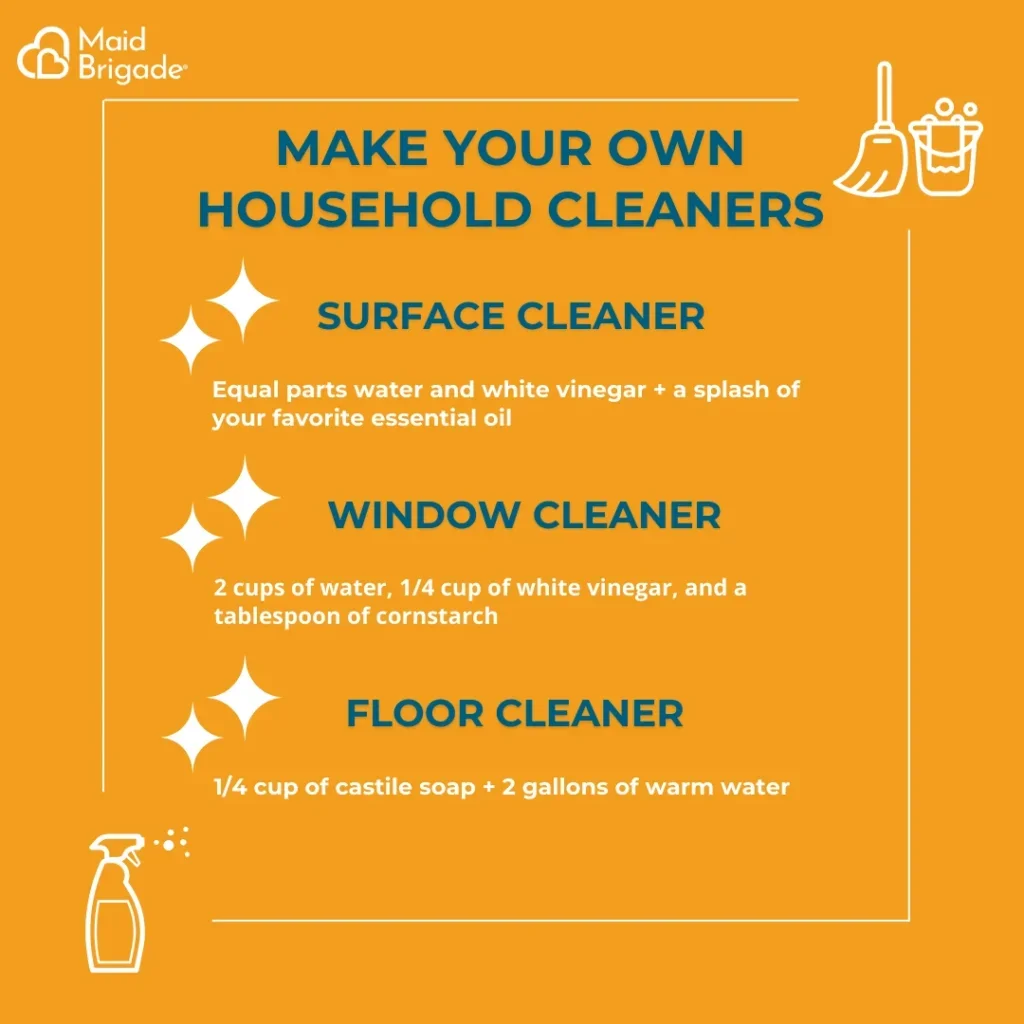
For an all-purpose surface cleaner, a simple mixture of white vinegar and water does wonders. Combine equal parts of both in a spray bottle and add a few drops of essential oil, such as lemon or lavender, for a refreshing scent. This solution works on most surfaces, but be sure to avoid using it on natural stones like granite or marble, as the acidity can cause damage over time.

Glittering Glass

Windows and mirrors can sparkle without store-bought sprays. Mix two cups of water, 1/4 cup of white vinegar, and a tablespoon of cornstarch in a spray bottle. Shake well before each use, spray on glass, and wipe clean with a lint-free cloth or even newspaper for a streak-free finish.

Squeaky-Clean Carpets 

To freshen up your carpets, try making a homemade deodorizer. Mix one cup of baking soda with a few drops of essential oil. Sprinkle the mixture over your carpet, let it sit for 20 minutes, and vacuum thoroughly. This simple remedy not only neutralizes odors but also leaves your home smelling absolutely amazing.

Fully Functional Drains 

Slow drains can be frustrating, but a natural solution can save the day. Pour 1/2 cup of baking soda down the drain, followed by 1/2 cup of white vinegar. Cover the drain and let the fizzy reaction work its magic for about 10 minutes. Finish by flushing the drain with boiling water, and you’ll have clear, fresh-smelling pipes in no time.

Fresh Floors 

Even your floors can benefit from a DIY approach. Mix 1/4 cup of castile soap with two gallons of warm water for a gentle yet effective floor cleaner. Add a few drops of essential oil for a pleasant aroma and mop as usual.

Infographic titled “Make Your Own Household Cleaners.” It lists three DIY recipes: Surface Cleaner – equal parts water and white vinegar, plus a splash of essential oil. Window Cleaner – 2 cups of water, 1/4 cup of white vinegar, and 1 tablespoon of cornstarch. Floor Cleaner – 1/4 cup of castile soap and 2 gallons of warm water.

When DIY Isn’t Enough

While these homemade remedies are perfect for routine cleaning, some tasks require a more thorough, professional touch. This is where Maid Brigade excels. Using electrolyzed water as part of our PUREcleaning® system, we provide a deeper clean without relying on harsh chemicals. This innovative and eco-friendly method ensures your home is not only spotless but also safe for your family and the environment. But what exactly is electrolyzed water, and how does it clean so effectively?

It all comes down to a simple, scientifically backed process. We take salt, water, and electricity and transform them into a powerful yet completely non-toxic cleaning and disinfecting solution. The result is two key components:

  • A grease-cutting cleaner (sodium hydroxide) that breaks down dirt and grime on surfaces.
  • A deep disinfectant (hypochlorous acid) that eliminates bacteria, viruses, and other harmful germs without leaving behind harsh chemical residues.

Unlike conventional cleaners filled with synthetic chemicals, scents, and dyes, electrolyzed water is tough on dirt, grease, and germs without unfortunate side effects like unpleasant odors and risks to your health. It’s the same technology used in hospitals and healthcare facilities — now available to keep your home fresh, healthy, and sparkling clean.

Live in a Home That Truly Shines

Picture this: Your kids have their toy cars, crayons, and wooden blocks all over the living room carpet. They’re playing (and let’s be honest, probably putting their hands in their mouths) and you’re not worried about toxic carpet shampoo or other chemical cleaners harming them. Picture your pets, too. Your dog is lounging on the couch. Your cat is occupying their favorite spot on the windowsill. And look at you! You’re totally not stressed as you go about your day and move from room to room, preparing delicious meals on clean, safe surfaces and relaxing in an environment where it feels like every breath is full of fresh, clean air. 

What you’re picturing can easily become your reality. Stick to our DIY cleaning remedies for everyday cleaning, but don’t forget that Maid Brigade plays a central role in making your home cleaner, healthier, and ultimately happier with a regular cleaning service. So, are you ready to elevate your home’s cleanliness to the next level? Contact your local Maid Brigade today, and let us transform your space with safe, professional, and effective cleaning services.


Allergies, Cleaning, and Your Health

Indoor allergies impact the lives of millions each year and have the potential to cause chronic health problems ranging from allergies, upper respiratory issues and asthma. However, these allergies can easily be managed by reducing the level of airborne allergens in the home. 

Dust consists of microscopic particles found in both indoor and outdoor environments. Typically, house dust allergies are triggered by common allergens such as pollen, dust mites, cockroach waste, pet dander and mold. Symptoms of a house dust allergy include sneezing, runny, itchy or watery eyes, nasal congestion and a runny nose.

Vacuum Cleaners:

Cleaning the surfaces in the home may not be enough to remove allergens and prevent their recirculation back into the indoor air. An essential tool for household cleaning is a HEPA (high efficiency particulate air) vacuum. HEPA filters are designed to trap small particles such as allergens and prevent their recirculation.  Traditional vacuums put allergens back into the indoor air triggering house dust allergies. 

Carpeting:

Carpets easily trap airborne particles and allergens such as pollen, dust mites and pet dander. Reducing trapped allergens and house dust requires:

Regular weekly or twice weekly vacuuming with a HEPA filtered vacuum.

Professional cleaning every six months to a year to remove trapped allergens, mold and other particles able to re-circulate into the air.

Removal of carpeting may be recommended for those with moderate to severe allergies. 

House Dust and Dust Mites:

Bedding, comforters, curtains, towels and other soft surfaces trap dust mites. According to the American Academy of Allergy, Asthma and Immunology, dust mites are the most common trigger of allergies and asthma. Several steps can be taken to reduce the level of dust mites as an allergen trigger in the home.

  • Vacuuming soft surfaces to remove dust once or twice weekly.
  • Washing bedding, comforters, towels and curtains in hot water reaching at least   130 degrees Fahrenheit.
  • Use of allergen proof covers or hypoallergenic pillows and mattresses. 

Helpful Household Tips:


  • Use HEPA filtration air purifiers and systems to remove airborne allergens and reduce symptoms caused by house dust allergies.
  • Use a dust mask while cleaning if needed. This will limit the exposure to airborne allergens in the home, and decrease allergy symptoms.
  • Clean up after meals. Open food not only attracts bugs and mice, but cockroach waste in particular can trigger a house dust allergy.
  • Dry all surfaces in the bathroom and kitchen after use, and check for leaks in the plumbing that can result in mold growth.
  • Use natural homemade green cleaning solutions to clean your home.
  • Basements, vents and crawl spaces can hide and trap allergens and household dust, pushing them into clean areas of the home. These areas should be cleaned on a regular basis because they easily hide areas with high moisture and humidity, promoting mold growth and circulation of spores in the home.

Indoor Allergy Relief is Possible!

Maid Brigade House Cleaning Services cares about the health of you and your family. For more information on healthy green living and green cleaning, please log on to http://greencleancertified.com and http://maidbrigade.com. To learn more about the asthma and allergy triggers in your home, or to learn more about household products and breast cancer, please log on to http://www.greencleancertified.com/greentv.

Adults and Allergies

Did you know that chemical sprays used for cleaning could actually trigger asthma and allergies in adults?

According to a study of more than 3,000 adults who did not have asthma when the study began, using cleaning sprays more than once a week can trigger asthmatic attacks, and the risk of asthma increased as the use of sprays increased.

Sprays that could lead to asthma and allergies include glass cleaners, furniture cleaners, and air fresheners, the researchers reported in the American Journal of Respiratory and Critical Care Medicine.

Previous studies have shown that people whose work exposes them daily to cleaning products, especially spray degreasers, bleach solutions, and air fresheners, are more likely to have asthma or the kinds of respiratory systems, such as coughing and wheezing, that people associate with allergies. Women who already have some type of lung infection or illness are at increased risk from spray cleaning products.

Cleaning with homemade natural ingredients, like vinegar, baking soda, lemon juice, and washing soda, is a healthier way to keep your home shining!
 

Maid Brigade House Cleaning Services cares about the health of you and your family. For more information on healthy green living and green cleaning, please log on to http://greencleancertified.com and http://maidbrigade.com. To learn more about the asthma and allergy triggers in your home, or to learn more about household products and breast cancer, please log on to http://www.greencleancertified.com/greentv.