
Tag: cleaning tips

Kitchen Cleaning Hacks - Cleaning Your Stovetop

The stove has been called the “heart of the kitchen”, mainly because it’s where most of the family meals are prepared. Keeping your stove’s cooktop clean should be a priority.  Built-up grease and food debris can cause smoke which can damage the surrounding walls or even worse, start a fire. Let’s look at a few tips that will keep you keep the top of your stove clean and safe.

Never clean your stovetop while it’s still hot. It doesn’t matter whether you have a gas or an electric cooktop, never clean it while it’s hot. The heat will turn your cleaning product into a vapor which is dangerous if you breathe it in. Instead, wait until the stove has completely cooled before cleaning.

Remove any movable parts from the stove before cleaning. This includes grates, spill trays, and knobs. Move these pieces out of the way so you will be able to clean every nook on your stovetop. It will also let you concentrate on cleaning those pieces separately – away from the stove.

Soak the items you’ve removed in warm soapy water. Let them soak for a few minutes to loosen the grease and the oils. Wipe them with a large looped microfiber cloth. If the buildup doesn’t come right off, spray them with rubbing alcohol and let them sit for a few minutes on a paper towel. The alcohol will work to break down the grease so you won’t have to scrub too hard to remove it.

If you have a gas stove do NOT spray any cleaner directly onto the cooktop. Instead, spray the cleaner on a microfiber cloth and wipe the stovetop with the cloth. Without knowing the ingredients in your cleaner, it is not safe to spray anything around an open flame.  Remember a gas stovetop has a pilot light underneath that could be exposed to the ingredients in the cleaner.  Another item to avoid around a gas stove is alcohol.  Alcohol is a great product to use to break down grease and oil but do not use anywhere near a gas flame.

Glass stovetops have a lovely look but can be extremely difficult to clean.  The glass needs to be cleaned thoroughly after each use or the residue will become burnt on. There are a lot of specialized creams that you can use to clean the glass. The trick is to use a damp sponge with the cream and apply it in a circular motion. If you have spots that just won’t come clean, you can use a straight edge razor tipped at a 45-degree angle to scrape off the spots. Don’t be afraid of scratching the glass. Just use a new razor blade each time you clean and the residue will slide right off. Finish with a damp microfiber cloth.

Stainless steel stovetops also need to be cleaned after every use.  The stainless in between the burners will oxidize and look very spotty. Wipe the cooktop down with a degreasing cleaner, Then, use a powdered cleanser like Shadazzle to remove the oxidation and leave the stainless steel looking perfect. Wipe off the cleanser, then finish with a light coat of baby oil.  The baby oil will seal the stainless steel, prevent further oxidation and keep it looking streak free.

A hack for cleaning drip pans is to boil some hot water in a large pot big enough to submerge the drip pans. Add a cup of dishwashing detergent and stir until it’s dissolved. Place the drip pans in the boiling water, turn off the heat and cover. Let them sit in this mixture overnight. In the morning just give them a quick rinse and most of the crud should come right off.

Brown burn marks on your stovetop can gently be removed with baking soda and a soft sponge. Just sprinkle the spot with the baking soda and use the damp sponge to gently scrub the spot away. Be very careful not to be too aggressive or you could scratch the surface.

Make a DIY grease cutter to remove grease and oil from your stovetop. Just add some pure lemon juice to a bowl of baking soda until it becomes a thick paste. Then apply this mixture to your stovetop or hood. Let the paste sit for a minute or two then spray the area with HOT distilled white vinegar.  The hot vinegar will activate the baking soda to lift and remove the oils from the surface while the acid in the lemon juice will work to cut through the greasy buildup so it’s easier to remove.  Just give the stovetop a quick wipe and it will be sparkling.

For more information from DIY green cleaning expert Leslie Reichert, visit https://www.facebook.com/GreenCleaningCoach/

Cleaning your house after the Holiday Season

What’s your official day to do your holiday cleanup? I’m sure your answer really depends on when you put your decorations up.  A good rule of thumb is January 6, which is known as “little Christmas.” Personally, I’m feeling pretty good if I get my decorations down by Valentine’s Day! It really doesn’t matter what day you choose as long as you take them down and put them away so they are organized for next year. Once the decorations are down and stored, we can then focus on the cleaning.

Organizing your Christmas decorations

  • You can choose to put your decorations away by room or by item. I like to store all my window and outside lights together as they are the first I’ll want to get out next year. Store all the decorations for each tree together so that you know which decorations go with which tree. Use clear storage tubs so you can see what’s inside.
  • Labeling is very important. Make sure you list everything inside each storage tub so you don’t have to dig through everything again the following year.
  • Make a fun date with yourself (and your family) to take down the decorations. Set aside a specific block of time so you keep focused. Trying to take down decorations in between cooking dinner and folding laundry probably won’t work - you’ll end up frustrated next Christmas when you realize nothing was put away correctly.

Stains and cleanup problems

Christmas has its own set of cleaning problems. Below are some tricks on how to deal with them.

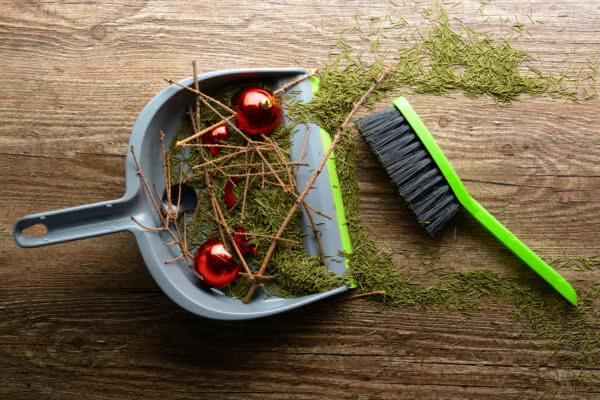
Pine pitch - If you had a real Christmas tree you may have some sticky pine pitch on your carpeting or hardwood floors. Once evergreen trees come inside a home and warm up, the sap inside the tree branches drips out of the trimmed limbs. This is called pine pitch and it can be very hard to remove. To remove it, you’ll want to start by rubbing the area with an ice cube to freeze the sap. Scrape as much of the sap off of the flooring as you can, then use a clean cloth dampened with rubbing alcohol to dab the area until the pitch is removed from the floor.

Water stains - You may have some water stains from the tree stand overflowing. This stain can be removed by using vinegar. Pour vinegar into a spray bottle and liberally spray the entire area. Let it sit without scrubbing. After 30 minutes dab the area with a paper towel and repeat the process until the stain disappears.

Table Linen stains - Don’t put your table linens away until you know they are completely clean and stain free. You can use rubbing alcohol on greasy stains and oxygen bleach for food spots. Once the linens are clean and dry, press them and then wrap them in tissue paper and store them in an airtight container.

Window sill spots – If you have discovered the trick of using white athletic tape to hold your Christmas window lights in place you also are dealing with the adhesive residue left when you remove it. An easy remedy is to scrape off as much of the adhesive as you can with a putty knife. Dampen the area with rubbing alcohol, which works to break down the adhesive. Place a drop of dish detergent over the area and work it into the residue. Wipe the window sill with warm water and a microfiber cloth.

Floors – Your floors will have taken a beating over the holidays between decorations, guests and all the cooking and baking. Plan to give each hard floor a good scrubbing on your hands and knees if you can. Start by moving all your furniture away from the walls and vacuuming the floor and the wood trim around the room. Use a bucket of hot water with a drop of dish soap and use a microfiber cloth to clean your way around the room. Once the outside of the room is dry, move your furniture from the middle of the room to the edges and wash the middle area. Once the floor is completely dry, you can replace area rugs and reset the furniture.

Guest room sheets – Strip all the beds and wash them in hot water. Add a touch of oxygen bleach to clean and disinfect them. Dry them on high heat to kill dust mites and other allergens. While the sheets are in the dryer, use an upholstery tool to vacuum the mattress and the sides of the box springs.  Wipe down the bed frame and remake the bed as soon as the sheets are dry. A simple trick to remove wrinkles in the sheets is to spray them with witch hazel after they are on the bed. You can add a few drops of an essential oil to create a fragrant linen spray.

Microfiber Cloth Cleaning Hacks

Microfiber was developed in Japan during the 70’s for swimwear. Ten years later, European scientists found that it was the perfect fabric for cleaning due to its absorbency.  By the early 2000s, the microfiber industry had exploded.  Even though microfiber has been around for decades, there are many who have yet to try cleaning with microfiber tools. Take a look at all you can do with microfiber – it’s worth the investment!

Perfect windows – There are many different types of microfiber cleaning cloths. For windows, use a fine woven microfiber. It almost looks silky.  The microfibers are very small and will leave windows perfectly clean. Dunk the cloth into hot water and wring it out well so it’s damp. Wipe it over the glass and then watch as it picks up dirt then dries perfectly without streaks or smears. Or spray the glass with water and use a dry microfiber cloth as if it’s a paper towel. Dry the glass completely and it will be free of streaks, smears and lint.

Save on paper towels – Use microfiber cloths in place of paper towels when cleaning. Microfiber is more absorbent than paper towels and better for the environment since they are reusable. Be sure to launder microfiber cloths, towels and mop heads with only other microfiber materials.

Chemical free dusting – Most spray dusting polishes leave layers of silicone on furniture. Instead, use a dry microfiber cloth to dust your furniture. Microfiber has tiny fibers that hold onto dust. It will hold onto dust and dirt particles until laundered which makes dusting much faster.

Preventing cross-contamination – Hospitals have used microfiber mops for years to prevent cross-contamination. You can use in your home for the same reason! Microfiber mops have a cover that attaches with Velcro onto the end of the mop. Once it’s dirty it can be removed and laundered. It’s like using a brand-new mop every time you clean.  No more smelly, moldy mops!

Large outdoor windows – Homeowners may struggle keeping large windows clean from salt, pollen and other outdoor elements. A damp microfiber cloth wiped over large windows will remove any salt or pollen and leave the windows looking crystal-clear.

Dusting walls – Instead of washing the walls in your home, try dusting them instead. Use a microfiber mop with a dry mop head and dust your walls in minutes. The microfiber will pick up the dust without dealing with a bucket and rag.

Ceiling fans – Have you looked at the paddles of your ceiling fan lately? Dust them quickly with a large-looped microfiber cloth. Using the dry cloth, wipe it gently over the fan paddles to pick up and remove dust. This task will takes minutes and leaves the fan dust free.

Perfect granite – If you have dark granite counter tops, you may struggle with streaks and smears from cleaning. Try using a microfiber cloth designed for glass.  Dampen the cloth and wipe over the granite to leave it looking showroom perfect!

To read more from Leslie about cleaning with microfiber, check out this blog:

https://maidbrigade.com/blog/microfiber-for-cleaning/

At home allergy treatments

Dealing with dust allergies is a battle that affects many people, especially during the spring. To win the battle you need strategies that will help reduce the triggers in your home. Creating safe spaces where your lungs can “rest” is the key. Allergists refer to our immune system as a bucket that fills up over time. When our buckets become full we deal with allergic reactions. Each of us have different sized buckets, but we all need places in our homes where we can let our immune systems rest from dust, pollutants and irritants. Here are some things you can do in your home to create a clean and safe environment.

Cleaning more often – A simple, inexpensive step is to dust and vacuum more often. People in Europe use their vacuum to do most of their dusting. They use the dusting brush and go over all the wood and fabric surfaces with the vacuum. This makes cleaning quick and easy as well as very efficient. The vacuum captures and holds the dust. Wiping the dust with a dry cloth can put the allergens back into the air which defeats the purpose of cleaning.

Plants – Indoor plants are not only beautiful to look at, they also help clean the air we breathe in our homes. In fact, NASA calls plants “nature’s life support system”. By adding a potted plant like a Peace Lilly or Spider Plant to your home you will be naturally removing allergic toxins in your air. Place plants in the most used areas of your home, such as the living room and bedrooms..

Air purifiers – Our indoor air has been shown to be  much more polluted than the air we breathe outdoors. We spend 90 percent of our time indoors, so it’s important that we clean it constantly. During most of the year we keep our windows closed to keep out the cold or heat. With limited air exchange we end up breathing the same air over and over again. Using a HEPA rated air purifier throughout the house will remove the allergens and keep pollutants to a minimum.

Mattress and pillow covers – We spend more than a third of our lives sleeping so an important place to focus on air quality is in the bedroom. Starting with your bed, find encasement covers for your pillows and mattresses to keep dust mite allergens away from your body. For some allergy sufferers, investing in hypoallergenic pillows and bedspreads may be the best solution. Down pillows are soft and very comfortable but can trigger allergies while you are sleeping.  Wash pillows and blankets often in very hot water and dry on a hot setting to kill dust mites and remove their droppings

Remove stuffed animals and draperies – Dust accumulates in fabrics. Since we don’t dust or wash our draperies every time we clean, they tend to collect a tremendous amount of dust which can be a trigger for those suffering from dust allergies. Stuffed animals also collect dust in a child’s room and can trigger an allergic or asthmatic reaction. The safest alternative is to completely remove drapes, curtains and stuffed animals - especially in the bedroom. Instead, use hard window treatments such as window blinds and shutters. If your child has trouble parting with their favorite stuffed animal, place it in a pillow case once a week and wash it in hot water and dry on a hot setting.

Considering hard flooring vs carpeting – Carpeting, like draperies, are dust magnets. Even the best vacuum can’t remove all the dust and dander from a carpet. Allergist recommend removing all the carpeting in a home and replacing it with hard wood flooring.  Hard floors are much easier to keep clean and the dust can be kept to a minimum. However, removing carpet throughout a home and replacing with hardwoods can get expensive. For a more economical solution, we recommend a professional carpet cleaning to reach the harmful dust mites hidden below the surface.

HEPA rated vacuum – Make sure you have a high-quality vacuum that has a HEPA rated filtering system. There are many different vacuums advertising they are good at removing allergens, but make sure you research the brand before making a purchase. There are only a few vacuums that are rated HEPA. Remember that you want to look for a vacuum that is rated HEPA not a vacuum that uses HEPA rated filters. A vacuum rated HEPA cleans the surfaces it touches as well as the surrounding air you breathe.

Dust mite sprays on furniture – Some people ask if dust mite removal sprays work and the answer is yes, but you need to be careful should someone in your home also have a chemical sensitivity. Spraying your fabric furniture with these sprays will kill the dust mites living in them, but they also add another type of pollutant to your air.

Keep humidity low – Dust mites like dark, moist environments so keeping the humidity low in your home is a great way to combat dust mites naturally. Use a dehumidifier all year round to keep the moisture in the air below 50%.

Keep pets out of the bedrooms – We all love our pets but their dander can be a trigger for someone dealing with allergies or asthma. Keep pets out of the sleeping area of someone dealing with allergies.

For more green cleaning and green living information, check out Leslie’s website.

For other allergy and asthma health tips, read these blogs:

https://maidbrigade.com/blog/support-your-immune-system
https://maidbrigade.com/blog/5-tips-to-get-you-through-an-earlier-allergy-season

How to disinfect high touch surfaces

When we use the phrase “high traffic area” when talking about our home, we usually think of places that get a lot of foot traffic. But there are also "high touch" surface areas, ones that get touched a lot.

Surveys have shown that many people don’t wash their hands after using the bathroom, working around food or after coughing.  A study done by the Hygiene Council of the UK found that 25% of their population handle food after “stroking their pets” without considering disinfecting their hands after they have touched them.

You may not realize it but there are some germs that can live for months in your home.  C. difficile has shown to survive up to five months and Norovirus can survive for days or weeks on a hard surface.

So it's important that high touch areas be cleaned and sanitized properly to prevent germs getting transferred from one person to another.  Read on to learn how to clean germs from high touch areas.

Bathroom

Let’s start in the bathroom which is where you’d expect to find the germ-iest places in a home. Research shows that most people don’t use basic hygiene and men are the biggest offenders.

Bathroom faucet handles – Have you ever thought that you go straight from the toilet to the faucet handle to start washing your hands. The faucet handles are full of germs from the last person that used it.  Faucets can be cleaned and sanitized simply with rubbing alcohol and a microfiber cloth. If you are looking to avoid germs in between cleanings, you can use a paper towel to turn the water on and off.

how-to-clean-the-toilet-handle

Toilet flush handle – This is another place that sees a lot of hand traffic, yet gets overlooked even during a regular cleaning. We are so focused on cleaning and disinfecting the toilet bowl that the flush handle can get overlooked.  It’s very easy to sanitize with a quick spray of rubbing alcohol and a wipe with a microfiber cloth. In between cleanings you can avoid germs by using some unused toilet paper to flush the toilet.

Door knobs – All door knobs throughout the house are germ “havens”, but if someone isn’t practicing good hygiene, the doorknob in the bathroom is the worst offender in the home.  All your door knobs should be cleaned and sanitized once a week with a disinfecting solution.  In between cleanings you can avoid touching a germy door knob by opening the door with a paper towel or Kleenex.

Kitchen

We probably feel that our kitchens are the cleanest room in our homes. And they should be since we are preparing food for our families in this room. But the kitchen has THE germiest areas in your entire home. Worse than your bathroom! Let’s take a look at some of those places and find out how to keep them clean.

The handles on your refrigerator – It’s a funny habit that happens in most families. You enter the kitchen and go straight to the refrigerator to get a snack.  The handles of your refrigerator are getting exposed to germs from school, work and the outside. The handles should be wiped down multiple times during the day, especially before and after fixing a meal. This routine will prevent cross contamination.

how-to-clean-the-kitchen-faucet

Kitchen sink faucet – Your kitchen sink is the germiest place in your entire home. It contains more germs than your toilet! And it contains bacteria that comes from wet rotting food. The kitchen sink faucets are an area that get lots of use from hands that are working in the kitchen to hands that are just grabbing a drink. These faucets need to be wiped down numerous times during the day to prevent cross contamination.

Hand towels – The hand towels in your kitchen are a breeding ground for germs and bacteria.  We tend to wipe our hands while cooking with raw food and other raw items. The towel is then used to dry our hands after we’ve washed them. This makes your hands subject to cross contamination. A simple solution is to always use a paper towel when working with raw foods and to only use the hand towel for drying washed hands.

Around the house

TV remote – I never considered how dirty a TV remote could be until a friend of mine and I spent the night in a hotel room. The first thing she did when we got into the room was to pull out a zip lock bag and popped the remote inside it.  I was stunned. “What are you doing? “, I asked her looking extremely confused.

how-to-clean-the-tv-remote

She told me that the TV remote is NEVER cleaned by the maid staff and she wasn’t looking to be exposed to the germs and bacteria of hundreds of other people.  Ever since then, I’ve realized how dirty our remotes can be. A quick tip is to clean it with a quality microfiber that has been sprayed with rubbing alcohol. If someone in your home is sick, place their remote in a zip lock bag and throw the bag away at the end of the day so you prevent spreading the illness.

Hand rails on stairways – We subconsciously hold onto hand railings inside and outside of our home. There can be 50 or 60 exposures to germs on those hand rails every day. We should get into the habit of wiping the handrails every other day to keep them clean and free from bacteria.

Washing machine buttons –Our laundry is full of dirt, germs and bacteria from our workplaces and our own bodies. We use our hands to put the laundry into the washer and then we touch the buttons to start the machine.  Your hands are full of the germs that were on your clothing and you transfer all of those germs onto the controls of your washer.  Get into habit of wiping the controls with a simple disinfectant after using the machine.

Cleaning Tools

Cleaning tools and aids should be clean and germ free or using them just spreads germs around your home. Germs and bacteria multiply quickly. One bacteria on a damp cloth can multiply to eight million in less than eight hours.

Mops – Mops are a breeding ground for mold, mildew and bacteria.  If your mop has a moldy smell before you start to clean with it, you are not going to be cleaning, but instead spreading germs around.  Purchase a mop that has a removable head or cover that can be placed in the washer and sanitized.

Reusable cloths – All reusable cloths should be clean and disinfected after each use. If they are wet or damp, put them into the washer right away. Dry dirty cloths should be cleaned in hot water before reuse.


If you liked this post, please read:

Support your immune system to fight colds and flu


For more tips from our DIY green cleaning expert Leslie Reichert, visit greencleaningcoach.com

How to clean tile grout in the bathroom

Tile on the walls of your shower can have a very dramatic look. I love how the Fixer Upper Show uses the different colored Subway tiles in all their renovations.  But when I’m watching them install it, I have a little voice reminding me that the grout is going to be a real job to keep clean.  Grout is very porous and absorbs all the moisture and soap scum in the shower.  Add in that the shower area is dark and moist and you’ve got the perfect conditions to grow mold and mildew. Here are a few daily maintenance tips that will keep the tile grout looking good.

Run your exhaust fan for 20 minutes after the fog on the mirror disappears. Just because you can’t see the moisture doesn’t mean it’s not still in the air. You want to keep the room as dry as possible.

Use a squeegee   Removing the water from the tile will help the grout dry quicker. Keeping the walls of the shower free from moisture will prevent mold and mildew from growing.

Wipe the area down with a dry microfiber cloth. Even if you use a squeegee, you’ll still have drips and water on the tile and grout. Dry the entire shower with the microfiber so there is hardly any moisture left in the shower when you are done.

These maintenance tips will help your tile grout stay cleaner longer, but regular cleaning is a must to keep your grout bright, clean and free of mold. The ideal cleaning frequency for bathrooms is weekly but many of us don't have the time to do it that often. So, if bi-weekly is as often as you can clean your bathroom, relax knowing you're in the majority, and/or get a cleaning estimate - Maid Brigade would love to help you out with your house cleaning!

Follow these instructions on how to clean tile grout in your shower and bathroom floor and you'll have a sparkling bathroom every time you clean.

Things you will need:

  • Bucket of hot water
  • Stiff grout brush
  • Baking Soda
  • Oxygen bleach
  • Borax
  • Steam Cleaner  (optional but awesome)
how-to-clean-grout-in-the-shower

How to clean tile grout in the shower

Step 1 Set aside 30 minutes or more to spend cleaning the grout. Cleaning the grout is not a quick process. Start in an inconspicuous area to see if the cleaning will make a drastic difference to the color  of the grout.

Step 2 Start with a bucket of hot water and add in 1 cup of oxygen bleach.  Using a microfiber cloth, wipe the grout with a generous amount of the oxygen bleach mixture.

Step 3 Let the oxygen bleach mixture sit on the tile grout for 30 minutes.

Step 4 Wipe the grout with a clean microfiber cloth.

Step 5 If the grout needs more cleaning, reapply the hot water mixed oxygen bleach. Then sprinkle 1 teaspoon of baking soda and one teaspoon of borax over a small area and scrub with a small stiff brush.  The powders will mix with the oxygen bleach mixture and will create a paste that will penetrate the grout to leave it clean.

Step 6 Let the powdered mixtures sit on the grout for another 30 minutes.

Step 7 Using a microfiber cloth, rinse off all the powder, paste and oxygen bleach mixture and let the grout dry.

Step 8 Once the grout is completely cleaned and dry, seal it with a grout sealer to keep it clean and stain free.

how-to-clean-grout-in-the-floor

How to clean tile grout in the floor

Step 1 Vacuum the entire floor to remove sand and dirt from the area.

Step 2 Place warm water in your steam cleaner and use the attachment hose with a small nylon or brass bristle brush.

Step 3 Each steam cleaner is different, but look for the button, light or signal to let you know that the cleaner is producing steam.

Step 4 Using the small bristle brush, target the steam over the grout. You will see dirt and debris moving away from the grout onto the tile.  Use a dry microfiber cloth and wipe up the dirty water as you go.

Step 5 Work in small areas and let the grout dry before proceeding to the next area.

Step 6 Let the entire floor dry and wash completely with plain hot water and a microfiber mop.

How to maintain your floor tile grout

  • After your tile grout is cleaned apply a clear tile grout sealer to protect it from stains and dirt.
  • Wash the entire floor with hot water and oxygen bleach. Let the water and oxygen bleach mixture sit on the floor as long as possible (at least 30 minutes) and then wipe the floor dry.


If you liked these tips, you may want to also read:

How to Clean and Control Mold

Battling Mold in Your Bathroom

For more great green cleaning tips from Leslie Reichert, visit the Green Cleaning Coach website.

How to clean and control mold

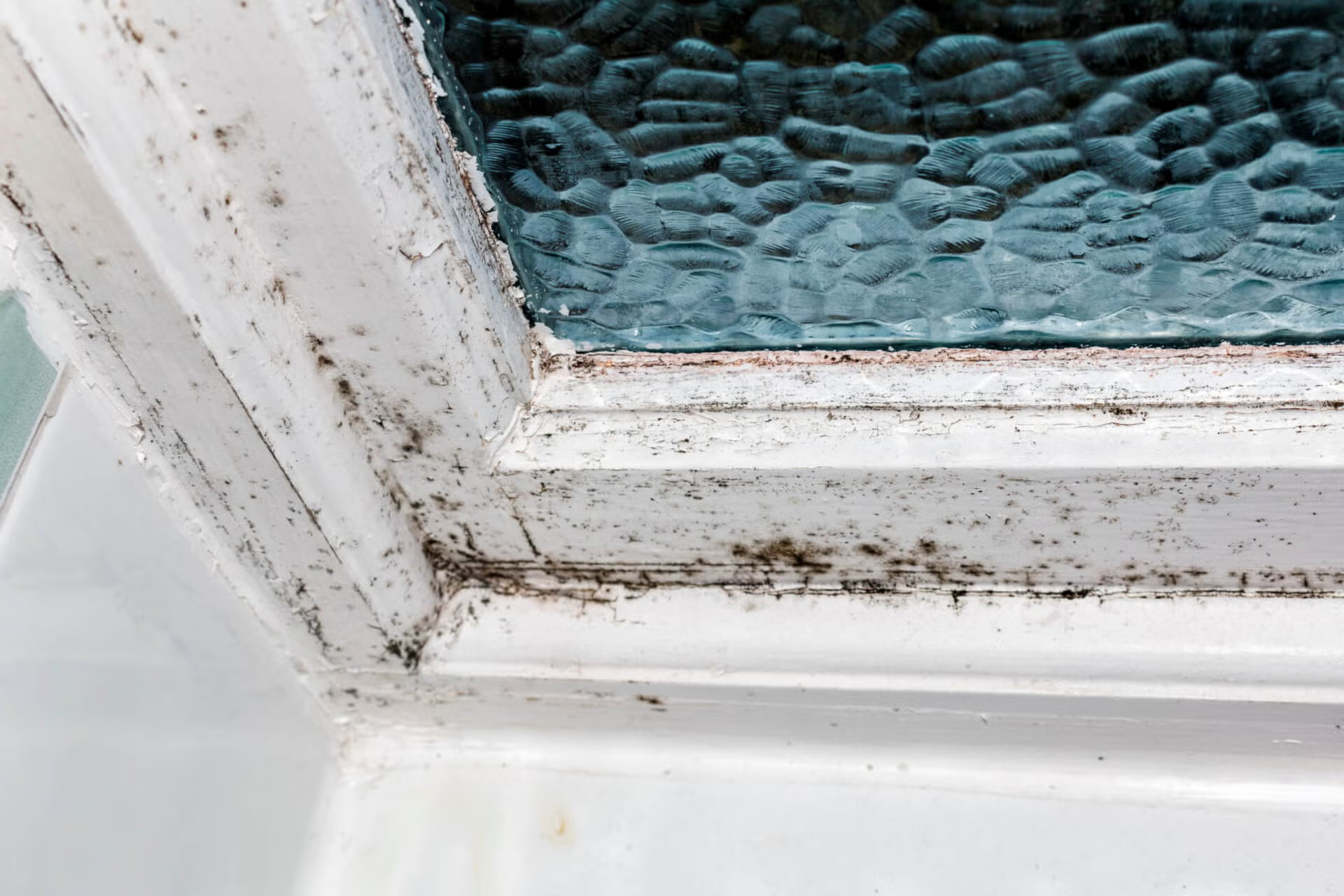
Almost every house has a little mold in it somewhere. Mold grows when you mix moisture and darkness. Mold actually uses your home’s plaster, drywall or wood as it’s food. And it destroys its food source as it grows. Address mold early, when tiny spots just appear, and remove it as soon as you find it so it doesn’t create a larger problem and potential damage your home.

Removing mold from your home

  • Before trying to remove mold from your home, make sure no one in your family has an allergy to mold. Some molds can be highly toxic and can cause a severe reaction. If you have any reservations about removing the mold in your home, consider calling a professional mold expert to handle the job.
  • Look for mold in damp, wet or steamy areas. This areas can include bathrooms, kitchens, flooded areas, basements, cabinets with plumbing leaks, garages or outdoor areas in humid climates.
  • Remove all the contents of the affected area and place them in sunlight to dry up the mold spores that may be on the items.
  • Mix up a bucket or spray bottle of oxygen bleach and water. Oxygen bleach will kill mold and bacteria just as well as chlorine bleach. Plus, it’s safer to use and won’t affect your respiratory system. Mix a few tablespoons of oxygen bleach in hot water until it’s dissolved.
  • Using a microfiber cloth, wipe all the items that were in the moldy area with the oxygen bleach solution. Place the item back into the sunlight to dry. If there are a lot of mold spores on some of the items, use a mask to protect yourself from the moldy dust.
  • Once the area is emptied and any affected items are clean and dry, use the oxygen bleach solution to wipe the visible mold off of any hard surfaces in the room. If it’s easier, you can put the oxygen bleach solution into a spray bottle and spray the areas. Let the oxygen bleach solution sit on the areas for 10-15 minutes. Then wipe the areas with a clean damp microfiber cloth. Once wiped clean the area needs to dry completely. Use a hair dryer for small, tight areas or use a room fan for larger areas. You also want to keep a window or door open to the outside to let fresh air into the area.
  • When the area is completely dry, spray the surfaces that were affected with mold with a mixture of witch hazel and 15 drops of Tea Tree oil. Tea tree oil is a natural essential oil that not only kills mold but also kills the mold spores that may be left in the surface. If the spores are not terminated, the mold will reappear. Tea Tree oil is a great option for removing the spores from the area naturally. Let the Tea Tree solution dry completely on the surface. It does not need to be wiped off after spraying.
  • If you have a severe mold problem in a bathroom or kitchen area, consider using a mold inhibiting paint primer on the surface. There are a number of primers that are available on the market. Some manufactures say that you can paint right over the mold, but most recommend removing the mold before painting the affected area. Painting the primer on the cleaned surface will prevent the mold from returning. These primers contain an EPA recommended antimicrobial ingredient that prevents the growth of mold, mildew and other fungal organisms. These primers can be found at your local hardware or paint store and can even be tinted to match your existing paint.


For more information on how to clean and control mold, see these posts:

Battling mold in your bathroom

Natural ways to kill off mold and mildew


For more information on green cleaning, visit Leslie Reichert's site: Green Clean Coach.

How to care for a swimsuit

four kids smiling at the camera from the edge of a pool

With the official start of summer outdoor pools are starting to warm up enough to enjoy splashing around in the water.  It also means a look at how to care for your swimsuit so it will last through this season and beyond.  Without the right care, even a high quality swimsuit may not make it through one swimming season.  Here are some do’s and don’ts for caring for your swimwear.

Do wash your new bathing suit in cold water before wearing it the first time. The cold water will set the colors in your suit and keep it looking new. Chlorine and the sun will work to fade the colors so this one simple step can protect your suit from fading all season.

Do wash your swimming suit out every time you wear it. Even if you didn’t go in the water, your body oils and sun tan lotion can damage your suit.

Do use an outdoor shower and wet your suit before going into the water. A dry bathing suit is extremely absorbent and will act like a sponge, absorbing all the chemicals in the water. A wet suit is less absorbent and won’t get as much of the chemicals into the fabric.

swimsuit-care

Do rinse off after swimming in a cool outdoor shower so you can rinse off as much of the salt or chlorine as you can. Then store your suit in a plastic bag until you can get home to rinse it out and let it soak.

Do hand wash your suit instead of using the washing machine. Machines are too hard on a swimming suit and pull on straps and openings that break down the elastic.  Instead, turn your swimsuit inside out and place it in cool water with a gentle hand soap for 30 minutes to let the soap work to break down body oils and other chemicals.  Rinse out the suit with warm water and roll your suit up inside two clean, dry towels to remove the water. Then place it on a flat surface to dry.

Do use a simple technique of sprinkling corn starch on any spot or stains on your suit before soaking. Corn starch is very absorbent and will work to pull lotion or oils out of your suit so they won’t stain. Just sprinkle the area with the corn starch and let it sit for 30 minutes before rinsing it off.

Do use a drying rack to dry your suit. Don’t place your suit on wood or metal as those materials can catch the fabric or leave a rust mark. Invest in a drying rack that you can put in your bathtub or outside on a deck.

Do use a lingerie bag if you HAVE to wash your suit in a washing machine. The bag will prevent the straps and strings getting caught on other items and prevent the fabric from being pulled out of shape. Make sure you don’t put the suit, even in the lingerie bag, into the dryer.  The hot temperature will dry out the elastic in the suit.

Do look for chlorine resistant fabric when purchasing a new suit. This new fabric can make your suit last 25 times longer than a typical swimsuit.

care-for-swimsuit

Do purchase two swimsuits for your summer season. Having the ability to switch suits gives the fabric time to “remember” and go back to its original shape.  Most swimsuits are made with some Lycra in the fabric. Lycra has a memory so giving it a day off will help it go back to its original shape.

Don’t use a laundry detergent when washing your swimsuit. Use a very gentle soap that will rinse totally out of the fabric. A simple bar of soap will do – run it under the water so it’s dissolved in the water before you add your suit. Remember to let it soak for 30 minutes so the soap can break down the oils and remove the chemicals.

Don’t let your swimming suit sit in the soaking solution for longer than 30 minutes.  The chemicals will go into the soaking water during the 30 minutes, but after that you are just letting the suit sit in the chemicals you are trying to remove from it. To avoid this chemical cocktail, rinse it out after 30 minutes.

Don’t wring out your bathing suit. The intense pulling will break down the fabric and the elastic. Use the towel method mentioned above.

Don’t hang your suit over a rod or deck railing to dry.  The water that pools at the base of the fabric will pull and stretch the fabric so that it will become distorted. Always let your suit dry on a flat surface.

Don’t dry your suit in the sun. The sun is very powerful and will fade the colors and dry out the elastic fabric in your suit.  Instead, find a shady spot for a drying rack so you can lay your suit flat. Turn the suit over after the top feels dry to let the air get to the underneath.

Don’t sunbath in a wet bathing suit.  A wet bathing suit has the chlorine or salt in it and when those items are exposed to direct sunlight the damage to your suit is multiplied. Instead, sunbath first and then go swimming or use an outdoor shower to rinse off before laying in the sun.


How to clean pillows and bedding

women happily sleeping in a bed

Don’t you just love the feeling of clean sheets?  Crawling into a nice clean bed after a long day can be so relaxing.  When I was little, my mother ALWAYS washed our bedding on Mondays and Monday night was so much fun. I used to crawl into to bed and tell my mom the sheets felt “sugary”.  I’m not sure where “sugary” came from but I do remember they felt wonderful.  Don’t you wish you could have that wonderful feeling every night?  I remember reading somewhere that Oprah has clean sheets put on her bed every morning. Oh if only….

Instead of talking about the “how oftens” of cleaning our bedding, let’s focus on the “hows”.  There are two different types of cleaning for bedding: the standard weekly washing and the seasonal cleaning done every two to three months.

how-to-clean-your-pillow

Pillows

Our poor pillows take a real beating – literally.  We punch them during the night and shake them out the next morning. And we don’t want to even talk about the drool and dust mites inside of them.  Down pillows are wonderful to sleep on but not if you have allergies, because they also hold onto dust mites and the mite dander. That’s not a good scenario when you are allergic and spending eight hours with your head on that pillow.  A simple solution is to place your pillows in the dryer for 10-15 minutes on very high heat. The heat will kill the dust mites and shake out the dander.

Wash your pillows once a quarter to remove dust, dander and dust mites. If you have gruesome stains that have accumulated on your pillows, try this DIY recipe for removing stains and cleaning your pillows so they are lovely and fresh. Sugary, even.

Miracle Laundry Whitening Formula (for a top loading washing machine)

¼ cup powdered automatic dish washing detergent

¼ powdered oxygen bleach or liquid chlorine bleach

¼ borax

¼ liquid or powder laundry soap


Dissolve the powdered ingredients in 1/3 cup boiling water (boil in a microwave safe container until it reaches a full boil). Mix in the liquid ingredients and add the entire mixture to the water in the washing machine before placing the pillows in the water. Make sure the entire mixture is evenly distributed in the water. Wash at the hottest water setting and the highest spin cycle. Remove and place the pillows in the dryer with four dryer balls to make them dry faster and come out of the dryer nice and fluffy.

how-to-clean-sheets

Sheets

Most experts (including myself) recommend washing your sheets on a weekly basis. If you have two sets of sheets, you can take off the dirty sheets, replace them with the clean ones and wash the dirty sheets at your convenience. If you deal with dust allergies, wash the sheets in the hottest water possible and dry them in the dryer on a hot setting. The hot water and the hot air will kill the dust mites and remove their “dirt”.  Hanging sheets outside is not an option if you are dealing with allergies because dust and pollen will aggravate allergies. Instead, get that “fresh” smell by using a DIY linen spray.

DIY Linen Spray

2 cups witch hazel

12 drops of an essential oil in your favorite fragrance

Mix the two ingredients in a 16-ounce spray bottle. Set the spray nozzle to a light mist. Mist the linen spray over your sheets and pillows and let dry. The oil will make your sheets smell like they were dried outside.

how-to-clean-down-comforter

Comforters

Put comforters in the dryer on a weekly basis to refresh and remove any dust that’s accumulated on them. Since they are fabric they attract and hold onto dust just like carpeting.  Use the dryer's cool setting to fluff it and remove the dust. Dealing with dust allergies?  Set the dryer on the hottest setting and leave the comforter in the dryer for 10 – 15 minutes. The heat will kill the dust mites and the tumbling action will remove the dust mite allergens.

Once a season, wash your comforter (if it’s washable) or have a local dry cleaner launder it, preferably without chemicals. Most dry cleaners are very accommodating and realize that people don’t want the harsh chemicals used on their items unnecessarily.

For DIY cleaning, use a gentle soap that will rinse totally out of the comforter and the batting. Fill the washing machine with water and place the soap in the water for even distribution. Never put the soap directly on the comforter.  Place the comforter carefully in the washing machine and make sure everything is balanced. After it’s gone through the wash and spin cycle, place it in the dryer with six dryer balls to help it dry quicker. If it’s a warm hang it outside, then bring it in and finish drying it in the dryer to remove any dust or pollen.

If you liked this post you may also like:

How to clean window blinds and shutters

How to clean curtains and window treatments


Leslie has more green cleaning tips. Check out her site.

How to clean curtains and window treatments

a cat staring at the camera while laying by some sunlit curtains

Some of the places we never think of cleaning are those that we can’t see. Like window treatments – when was the last time you looked at your window treatments? I mean really took a close look at the fabric on those curtains and draperies. If I’m right, there’s probably a film of dust and dirt that hasn’t been removed in years.

If dust is left sitting on a curtain for a long time it can destroy the fabric.  Also, your curtains are acting like a huge sponge; holding on to the dust that aggravates allergies if anyone in your home is an allergy sufferer.  These are two good reasons to know how to clean curtains and window treatments and to start putting this important task on your cleaning radar.

Here is everything you need to know as far as how to clean curtains, so you can get them back to “clean” no matter how dirty they are.

Regular cleaning

To see how dirty your curtains are, try giving them a shake in the sunlight. All those little particles floating around should be removed weekly. Each time you clean your home you should also shake the curtains to remove dust that has settled on them during the week.

If you have a bit more time, use the dusting brush attachment for your vacuum to clean curtains and window treatments. The brush will work to get down inside the fabric and remove the buildup. To make it easier, open the air valve on the vacuum so you don’t pull the curtain off the curtain rod!

Along with shaking or vacuuming the curtains, remove the dust on the top pleats or on the top flat surface of the window treatment. You can do this with an extendable microfiber duster to catch the settled dust and pull it off the fabric.

Deeper cleaning

To remove a buildup of dust on your curtains, your dryer can help. Take down the window treatments and just pop them in the dryer instead of having to wash and iron them.  Use the warm air and gentle tumble settings of the dryer to toss the dust out of the curtain. Be sure to remove them before the dryer stops and hang them immediately – they will look as good as the day you installed them.

If you want to wash curtains first make sure they can be laundered. If so use a very gentle soap, a gentle wash cycle and a quality steam iron. Wash them on the permanent press setting then place them in the dryer for just a minute or two to warm up the fabric. Remove them and let them hang so the wrinkles will be pulled out of the fabric.  Touch them up with a hot steam iron.

how-to-clean-curtains-with-steam

Steaming is another option if you want to kill mites. There are great canister style steam cleaners that let you shoot the steam right onto the hanging window treatment. This is a great way to kill dust mites but you’ll still need to vacuum to remove the dust and dirt from the fabric.

Professional cleaning

To ensure that custom window treatments are cleaned without damage, take them to a local dryer cleaner that can clean them without using perc. Ask your dry cleaner to clean them with CO2 instead. It works just as well and it’s safer for everyone.

Mini blinds and fabric blinds also hold onto a lot of dust. Add them to your cleaning schedule. Be sure to check out our recent blog for tips on cleaning window blinds.

how-to-clean-curtains-correctly

Be sure to follow these tips for how to clean curtains and window treatments, to create a cleaner, healthier home and enjoy your beautiful window treatments for years to come.

For more DIY green cleaning tips, visit greencleaningcoach.com

How to clean window blinds and shutters

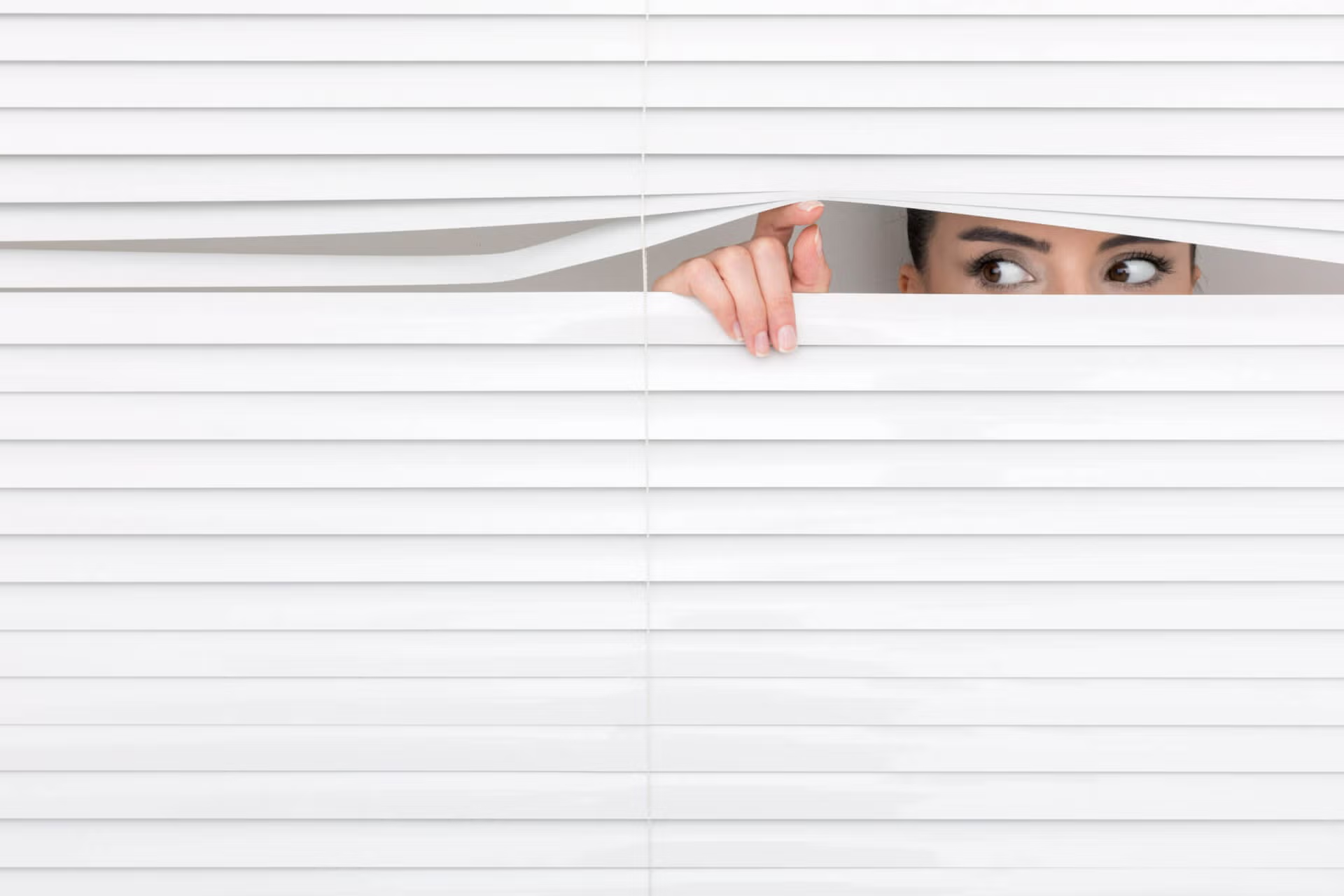
a women peering through blinds

Blinds and shutters are the perfect accents for your windows.  To keep them looking as nice as the day they were installed, clean them on a regular basis. The secret is all in the frequency.   A light dusting once a week will keep shutters looking brand new. But skip a few weeks, and the dust will build up and combine with the moisture in the air and make it difficult to remove.

Here's all the info on how to clean window blinds and shutters, whether they are brand new or not-so-new and kind-of-yucky. Follow these cleaning tips throughout the year, especially if there are asthma or allergy sufferers in your family.

Weekly Blind Cleaning

During your weekly regular cleaning, lightly dust all blinds and shutters.  Adjust blinds to the closed position and use a dry microfiber cloth to wipe them down completely. If the blinds are getting dusted every week, the microfiber cloth will do the trick to keeping them clean without using any cleaning products.

Deeper Cleaning

If your blinds have a buildup of dust and dirt, there are a few things you can do to make the task of cleaning them a bit easier. Start by putting the blinds in the downward position and use the upholstery attachment of your vacuum just to remove any large debris accumulated on the blind. While in the closed position rub a large looped microfiber cloth vigorously over the slats of the blind. Remove as much of the buildup as possible by putting pressure on the slats. Finally, using a spray bottle of rubbing alcohol, spray a light mist on a clean microfiber cloth and work it over the slats. The alcohol will work to cut through the buildup of dirt without turning it to a muddy mess. And the alcohol will dry quickly so it won’t drip down onto the next blind or onto the floor.

Deepest cleaning

Really grimy blinds or shutters will have to come down. If only there were some easy cleaning tips for yucky blinds, but there aren't. Fill a bath tub full of warm water and add a few drops of your favorite dish soap and two cups of distilled white vinegar to the water.  Let the blinds sit for five to ten minutes in the solution to loosen the buildup.  The natural acid in the vinegar will work to break down the dust and the soap will help to lift it off.  Gently rub a sponge over the slats to remove dirt. A small stiff brush will work to get into tight areas.  Rinse the blinds twice in clean, cool water. Let them drip dry for a few minutes then wipe them dry with a microfiber cloth.

Other types of blinds

how-to-clean-window-blinds-wood

Wood Blinds – Wood blinds should not be immersed in water as the moisture will warp them. Avoid using polish or oil on wood blinds as it will attract more dirt to the slats and make them more difficult to clean. Instead of a polish, use a spray bottle of witch hazel to spritz a light mist onto a microfiber cloth and wipe the slats clean.

Vertical blinds – Vertical blinds should be dusted or vacuumed but never submerged in water as the blind will separate from its backing. Use a dry microfiber cloth to remove dust on either side of vertical blinds on a weekly basis. Once a month use the upholstery brush and work over each of the slats to remove deeper dust and dirt. If your vertical blinds get a buildup that your vacuum can’t handle, call a professional blind cleaner to have them deep cleaned.

Exterior – Outside blinds or shutters can be dusted with a soft brush on an extendable pole. Or, wash with a hose and stiff extendable brush.

A word about the tools used to clean window blinds and shutters

Microfiber large-looped cloth – to wipe over the blinds so it will catch the dust and hold onto it until you put it into the washing machine.

Microfiber dusting wand – to reach the top corners of the blinds that are difficult to reach.

Microfiber dusting glove – to capture and remove dust on the slats and hold onto it until you place the glove in the wash. There are two types. One looks exactly like a driving glove and the other like a mitten. Both work well.

Paint brush – to clean off dust and dirt in hard to reach places on your blinds. They’re inexpensive at the hardware store so purchase different sizes to get into different areas.  Wash with warm water and a drop of dish soap. Air dry before re-using.

Blind cleaner brushes – supposed to be very convenient to dust the individual slats but these tong-like tools, hawked on late night TV, are cumbersome and time-consuming to use. It takes a lot of patience to get the tool lined up with the slats on the blinds.  A microfiber cloth or a microfiber glove to remove the dust is the way to go.

Vacuum attachments – to remove cobwebs and larger debris on blinds. Also cumbersome for dusting and other than the big stuff, microfiber cloths and wands are easier to manage and very effective.

clean-window-blinds

Now that you know how to clean window blinds and shutters, you'll be able to keep them looking great whether closed for privacy or open to let the sun shine in.


If you liked these cleaning tips, check out some others that are super useful this time of year:

How to Clean Summer Stains

How to clean the gas grill

How to clean a clogged drain, the GREEN way


For more information from our DIY green cleaning expert, Leslie Reichert, go to greencleaningcoach.com


How to Clean Summer Stains

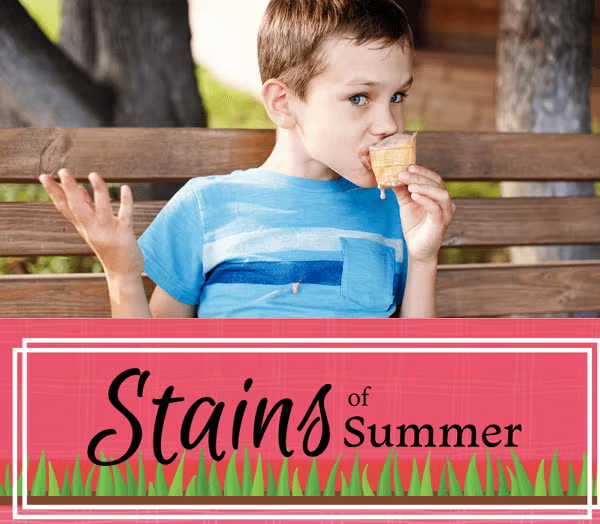
young kid eating a melting ice cream that is creating a mess

Along with the sunshine, warm temperatures and (slightly) relaxed pace we also greet a set of summer stains along with the summer solstice. Not all stains can be treated the same way so don’t reach for the stain stick unless you know what’s in your stain.  Here’s a rundown on how to handle the TOP 10 summer stains PLUS a printable guide to put in your laundry room so you have the information at your fingertips. Our guide on how to clean summer stains should be required reading 🙂

download-free-stains-of-summer-guide


Ketchup – If the ketchup has dried, brush off as much as you can with a stiff brush.  Soak the stain in warm water for 30 minutes. Then, using a bar of Ivory soap, work the soap into the stain with a toothbrush. Continue to work the soap into the fabric until you can no longer see the stain.

Mustard -Dampen the stain with warm water and then apply a liquid laundry detergent on the area. Leave undisturbed overnight and rinse in the morning. If the stain does not come out, repeat the process or try a stain remover. You can also put the stain in the laundry with some oxygen bleach to see if that will remove the stain.

Dirt – Start by soaking the stain in cool water with a small amount of dish soap and some distilled white vinegar. The acid in the vinegar will break up the stain and the grease cutting properties in the dish soap will work to loosen the stain from the fabric. Use a toothbrush to separate the stain from the fabric with gentle brushing. Rinse and repeat this process if necessary.

hohow-to-clean-summer-stains-pizza

Pizza Sauce – First dampen the area by patting gently with a wet cloth. (Don’t pour water over the stain as it will bleed into the surrounding fibers.) Place a few drops of liquid automatic dish detergent (the type used in the dishwasher) directly on the stain and rub it in with an ice cube.  If there is a stain left after rinsing, blot with a rag soaked with distilled white vinegar. The acid in the vinegar will cut through the stain and loosen it from the fibers. Use a toothbrush to continue to try to remove the stain from the fibers. Rinse and repeat until the stain is gone.

Iced coffee – Run cool water through the back of the clothing to flush the stain out through the front. Flush fabric for 5 minutes. If the stain is still visible, spray the area with club soda and let it sit for 10-15 minutes. If the stain persists, dissolve some powdered oxygen bleach in warm water and spray it over the area. Use a stiff brush to work the oxygen bleach into the stain. Let it sit for a few minutes and then rinse. Let the entire piece of clothing air dry. Another cleaning tip: if the stain is still visible, apply real lemon juice to the stain and set the piece of clothing in the sun. The natural bleach in the lemon will work with the sunshine to bleach the stain away.

Grass – Grass stains are removed by pre-treating the stain with a stain remover.  Dampen the area with cool water to start and then apply the pre-treatment to the stain. Let it sit for 10 – 15 minutes before putting the clothing in the laundry. Do not put the item in the dryer. Instead let it air dry and check to see if the stain is gone. If not, repeat the process above.

Oil – Oily stains can be removed with rubbing alcohol and a basic bar of soap. Start by applying the rubbing alcohol directly to the dry fabric. Work the alcohol in with your fingers or a washcloth. Once it’s worked into the fabric, let it sit for 10 to 15 minutes.  The alcohol will work to break down the oil.  Next take a basic bar of WHITE soap and work the soap into the stain. Add a few drops of water to create a lather.  Rinse the area with warm, not hot water. Let the item air dry and check to see if the stain is gone. Repeat this process until the stain disappears.

Chocolate Ice cream – Scrape off as much of the ice cream as possible. Blot the area to remove any excess chocolate stain. Do not rub the area or you will push the stain further into the fabric. Flush the stain out of the clothing by running warm water through it from back to front.  Once most of the stain is removed add a few drops of laundry detergent to the spot and work it into the stain with your fingers.  Let the detergent sit for 10-15 minutes and then rinse the detergent from the spot. Let the item air dry to see if any of the stain remains. If so, repeat the process above.

clean-summer-stains-sunscreen

Sunscreen – Remove as much of the sunscreen as possible from the area with a knife or spoon.  Sprinkle the area with corn starch to absorb the oil in the sunscreen.  Let the corn starch sit for 30 minutes and then brush it off of the fabric.  Use a cotton ball or Q-tip and apply rubbing alcohol to the stain. Let it sit for 10 – 15 minutes. Then use a few drops of dish soap and work it into the stain. Flush the area with warm water from the back of the fabric and let it air dry.  Repeat the process if any of the stain is still visible.

Sangria – Immediately after a spill, spray the stain with club soda and cover the area with salt. The salt will start to absorb the wine. Once the guests are gone brush off the salt and dab the area until the cloth comes away clean. Then treat the area with hydrogen peroxide. Be patient – it takes the hydrogen peroxide awhile to work, but you will see the stain disappear before your eyes.  Alternatively, soak the fabric in warm (not hot) water and hydrogen peroxide until the stain is gone. Air dry the item to make sure the stain is completely gone. Repeat this stain removal procedure until the stain is entirely gone.

Hopefully having these cleaning tips will help you enjoy the season as much as possible. Because it's a time to collect memories, not summer stains!


If you enjoyed this article, you might want to check out How to Clean the Gas Grill.


For more info on Leslie Reichert, visit greencleaningcoach.com