Tag: DIY green cleaning products

Microfiber Cloth Cleaning Hacks

Microfiber was developed in Japan during the 70’s for swimwear. Ten years later, European scientists found that it was the perfect fabric for cleaning due to its absorbency.  By the early 2000s, the microfiber industry had exploded.  Even though microfiber has been around for decades, there are many who have yet to try cleaning with microfiber tools. Take a look at all you can do with microfiber – it’s worth the investment!

Perfect windows – There are many different types of microfiber cleaning cloths. For windows, use a fine woven microfiber. It almost looks silky.  The microfibers are very small and will leave windows perfectly clean. Dunk the cloth into hot water and wring it out well so it’s damp. Wipe it over the glass and then watch as it picks up dirt then dries perfectly without streaks or smears. Or spray the glass with water and use a dry microfiber cloth as if it’s a paper towel. Dry the glass completely and it will be free of streaks, smears and lint.

Save on paper towels – Use microfiber cloths in place of paper towels when cleaning. Microfiber is more absorbent than paper towels and better for the environment since they are reusable. Be sure to launder microfiber cloths, towels and mop heads with only other microfiber materials.

Chemical free dusting – Most spray dusting polishes leave layers of silicone on furniture. Instead, use a dry microfiber cloth to dust your furniture. Microfiber has tiny fibers that hold onto dust. It will hold onto dust and dirt particles until laundered which makes dusting much faster.

Preventing cross-contamination – Hospitals have used microfiber mops for years to prevent cross-contamination. You can use in your home for the same reason! Microfiber mops have a cover that attaches with Velcro onto the end of the mop. Once it’s dirty it can be removed and laundered. It’s like using a brand-new mop every time you clean.  No more smelly, moldy mops!

Large outdoor windows – Homeowners may struggle keeping large windows clean from salt, pollen and other outdoor elements. A damp microfiber cloth wiped over large windows will remove any salt or pollen and leave the windows looking crystal-clear.

Dusting walls – Instead of washing the walls in your home, try dusting them instead. Use a microfiber mop with a dry mop head and dust your walls in minutes. The microfiber will pick up the dust without dealing with a bucket and rag.

Ceiling fans – Have you looked at the paddles of your ceiling fan lately? Dust them quickly with a large-looped microfiber cloth. Using the dry cloth, wipe it gently over the fan paddles to pick up and remove dust. This task will takes minutes and leaves the fan dust free.

Perfect granite – If you have dark granite counter tops, you may struggle with streaks and smears from cleaning. Try using a microfiber cloth designed for glass.  Dampen the cloth and wipe over the granite to leave it looking showroom perfect!

To read more from Leslie about cleaning with microfiber, check out this blog:

https://maidbrigade.com/blog/microfiber-for-cleaning/

How to clean pillows and bedding

women happily sleeping in a bed

Don’t you just love the feeling of clean sheets?  Crawling into a nice clean bed after a long day can be so relaxing.  When I was little, my mother ALWAYS washed our bedding on Mondays and Monday night was so much fun. I used to crawl into to bed and tell my mom the sheets felt “sugary”.  I’m not sure where “sugary” came from but I do remember they felt wonderful.  Don’t you wish you could have that wonderful feeling every night?  I remember reading somewhere that Oprah has clean sheets put on her bed every morning. Oh if only….

Instead of talking about the “how oftens” of cleaning our bedding, let’s focus on the “hows”.  There are two different types of cleaning for bedding: the standard weekly washing and the seasonal cleaning done every two to three months.

how-to-clean-your-pillow

Pillows

Our poor pillows take a real beating – literally.  We punch them during the night and shake them out the next morning. And we don’t want to even talk about the drool and dust mites inside of them.  Down pillows are wonderful to sleep on but not if you have allergies, because they also hold onto dust mites and the mite dander. That’s not a good scenario when you are allergic and spending eight hours with your head on that pillow.  A simple solution is to place your pillows in the dryer for 10-15 minutes on very high heat. The heat will kill the dust mites and shake out the dander.

Wash your pillows once a quarter to remove dust, dander and dust mites. If you have gruesome stains that have accumulated on your pillows, try this DIY recipe for removing stains and cleaning your pillows so they are lovely and fresh. Sugary, even.

Miracle Laundry Whitening Formula (for a top loading washing machine)

¼ cup powdered automatic dish washing detergent

¼ powdered oxygen bleach or liquid chlorine bleach

¼ borax

¼ liquid or powder laundry soap


Dissolve the powdered ingredients in 1/3 cup boiling water (boil in a microwave safe container until it reaches a full boil). Mix in the liquid ingredients and add the entire mixture to the water in the washing machine before placing the pillows in the water. Make sure the entire mixture is evenly distributed in the water. Wash at the hottest water setting and the highest spin cycle. Remove and place the pillows in the dryer with four dryer balls to make them dry faster and come out of the dryer nice and fluffy.

how-to-clean-sheets

Sheets

Most experts (including myself) recommend washing your sheets on a weekly basis. If you have two sets of sheets, you can take off the dirty sheets, replace them with the clean ones and wash the dirty sheets at your convenience. If you deal with dust allergies, wash the sheets in the hottest water possible and dry them in the dryer on a hot setting. The hot water and the hot air will kill the dust mites and remove their “dirt”.  Hanging sheets outside is not an option if you are dealing with allergies because dust and pollen will aggravate allergies. Instead, get that “fresh” smell by using a DIY linen spray.

DIY Linen Spray

2 cups witch hazel

12 drops of an essential oil in your favorite fragrance

Mix the two ingredients in a 16-ounce spray bottle. Set the spray nozzle to a light mist. Mist the linen spray over your sheets and pillows and let dry. The oil will make your sheets smell like they were dried outside.

how-to-clean-down-comforter

Comforters

Put comforters in the dryer on a weekly basis to refresh and remove any dust that’s accumulated on them. Since they are fabric they attract and hold onto dust just like carpeting.  Use the dryer's cool setting to fluff it and remove the dust. Dealing with dust allergies?  Set the dryer on the hottest setting and leave the comforter in the dryer for 10 – 15 minutes. The heat will kill the dust mites and the tumbling action will remove the dust mite allergens.

Once a season, wash your comforter (if it’s washable) or have a local dry cleaner launder it, preferably without chemicals. Most dry cleaners are very accommodating and realize that people don’t want the harsh chemicals used on their items unnecessarily.

For DIY cleaning, use a gentle soap that will rinse totally out of the comforter and the batting. Fill the washing machine with water and place the soap in the water for even distribution. Never put the soap directly on the comforter.  Place the comforter carefully in the washing machine and make sure everything is balanced. After it’s gone through the wash and spin cycle, place it in the dryer with six dryer balls to help it dry quicker. If it’s a warm hang it outside, then bring it in and finish drying it in the dryer to remove any dust or pollen.

If you liked this post you may also like:

How to clean window blinds and shutters

How to clean curtains and window treatments


Leslie has more green cleaning tips. Check out her site.

Battling Mold in Your Bathroom

shower-tile

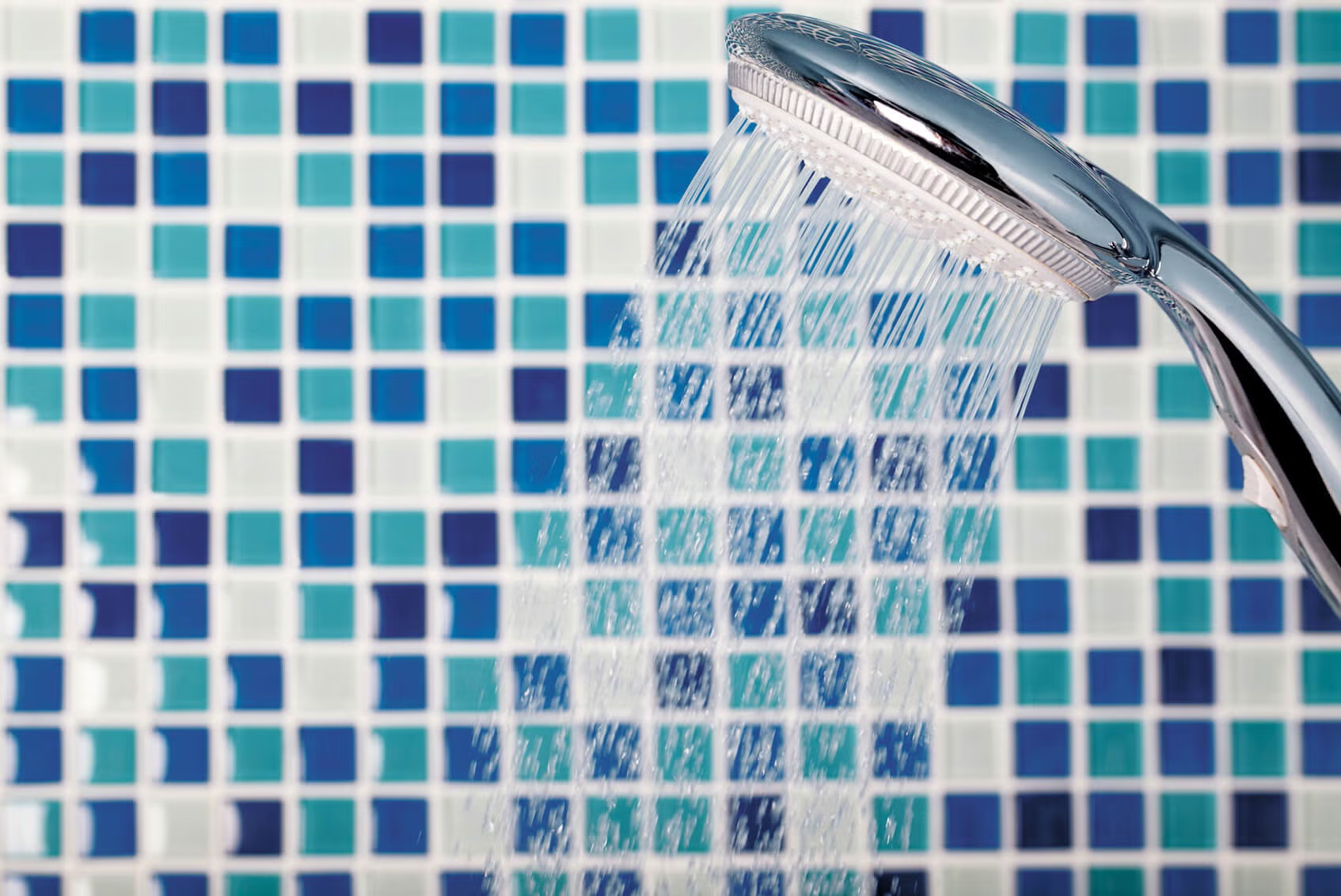
This time of year is when we start battling mold in our bathrooms. Mold loves dark, moist areas and a bathroom is its perfect home. Mold is a living fungus that reproduces when it has enough water and food. Mold is not related to cleanliness but to moisture, therefore even the cleanest bathroom can have an ongoing mold issue.

Some mold is more dangerous than others, but most molds are just growing organisms that damage walls and tile grout. Mold growing on porous drywall is actually using the drywall for food and destroying it in the process.

Bleach will not kill mold. It will change its appearance but the mold will grow back. And, bleach is unhealthy and damaging to the environment. To kill mold you must use an anti-microbial.

tea-tree-oil-anti-microbial

This year, wage a different battle against mold. Use these few simple tricks and a green DIY recipe to keep mold from growing in your bathroom.

  • Run the fan as much as possible – mold can’t grow without moisture. Run your ceiling fan for at least 10 minutes AFTER the steam has disappeared from the bathroom mirror. Moisture stays in the air long after you can see it, so let the fan run the entire time you are getting ready in the morning.
  • Open the window even slightly so you have continual fresh air - Fresh air helps damp surfaces dry faster.
squeegee-shower

  • Use a squeegee to remove water on the shower walls and glass doors - This will not only stop the mold but keep your shower clean. If you squeegee your shower, you’ll almost never have to clean it.
  • Wipe down surfaces with a microfiber cloth – if you wipe down damp surfaces in your shower and sink with a microfiber cloth, everything will dry faster and you will stop mold in its tracks. Make sure to take the damp microfiber cloth out of the bathroom when you are done.
battle-mold-with-microfiber

  • Hang wet towels outside of the bathroom -Wet towels can take up to 24 hours to dry and create unwanted extra moisture.
  • Hang wet bath mats outside of the shower area – Shower mats collect a ton of water. These carpets can take days to completely dry. Hang mats and throw rugs outside so that they can dry completely.
shower-curtain

  • Shake out your shower curtain- Shower curtains are a breeding ground for mold. Moisture gets into the pleats which are perfect a perfect breeding ground for mold. By shaking out the curtain you remove the excess water and help it to dry faster. Remember to keep the curtain completely drawn.
  • Spray this DIY mix daily on dry tile grout and drywall –
    • Vodka or witch hazel
    • 20 drops of tea tree essential oil

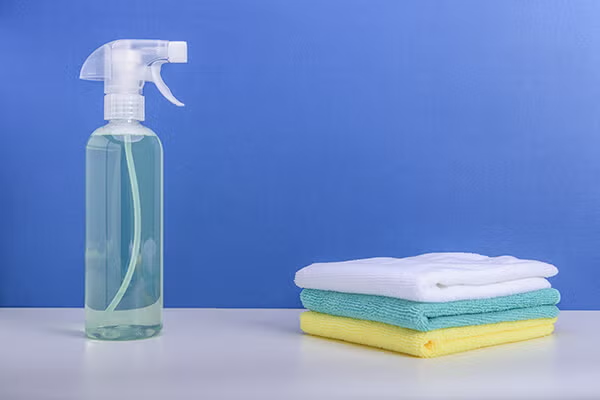
Combine ingredients in a spray bottle and spray the mixture on dry tile grout and drywall daily (it's important the grout is dry, so that the mixture will penetrate the grout pores to kill mold beneath the surface). The alcohol in the vodka will evaporate very quickly and the anti-microbial properties of the tea tree oil will work to kill the mold and mold spores in your shower area. This mix is great to use on ceilings too, especially textured ceilings that are difficult to wipe down.

  • Clean your bathroom regularly or hire a cleaning service. Mold needs a food source to survive. It eats dead skin cells trapped in soap scum residue. Eliminating mold requires removing its food source. So a frequent, thorough shower cleaning will go a long way toward reducing your problem long term.

A bathroom is a very hospitable environment for mold, so the battle against it will be ongoing, but with these tips you can be more effective, safely.