
Tag: green clean

At home allergy treatments

Dealing with dust allergies is a battle that affects many people, especially during the spring. To win the battle you need strategies that will help reduce the triggers in your home. Creating safe spaces where your lungs can “rest” is the key. Allergists refer to our immune system as a bucket that fills up over time. When our buckets become full we deal with allergic reactions. Each of us have different sized buckets, but we all need places in our homes where we can let our immune systems rest from dust, pollutants and irritants. Here are some things you can do in your home to create a clean and safe environment.

Cleaning more often – A simple, inexpensive step is to dust and vacuum more often. People in Europe use their vacuum to do most of their dusting. They use the dusting brush and go over all the wood and fabric surfaces with the vacuum. This makes cleaning quick and easy as well as very efficient. The vacuum captures and holds the dust. Wiping the dust with a dry cloth can put the allergens back into the air which defeats the purpose of cleaning.

Plants – Indoor plants are not only beautiful to look at, they also help clean the air we breathe in our homes. In fact, NASA calls plants “nature’s life support system”. By adding a potted plant like a Peace Lilly or Spider Plant to your home you will be naturally removing allergic toxins in your air. Place plants in the most used areas of your home, such as the living room and bedrooms..

Air purifiers – Our indoor air has been shown to be  much more polluted than the air we breathe outdoors. We spend 90 percent of our time indoors, so it’s important that we clean it constantly. During most of the year we keep our windows closed to keep out the cold or heat. With limited air exchange we end up breathing the same air over and over again. Using a HEPA rated air purifier throughout the house will remove the allergens and keep pollutants to a minimum.

Mattress and pillow covers – We spend more than a third of our lives sleeping so an important place to focus on air quality is in the bedroom. Starting with your bed, find encasement covers for your pillows and mattresses to keep dust mite allergens away from your body. For some allergy sufferers, investing in hypoallergenic pillows and bedspreads may be the best solution. Down pillows are soft and very comfortable but can trigger allergies while you are sleeping.  Wash pillows and blankets often in very hot water and dry on a hot setting to kill dust mites and remove their droppings

Remove stuffed animals and draperies – Dust accumulates in fabrics. Since we don’t dust or wash our draperies every time we clean, they tend to collect a tremendous amount of dust which can be a trigger for those suffering from dust allergies. Stuffed animals also collect dust in a child’s room and can trigger an allergic or asthmatic reaction. The safest alternative is to completely remove drapes, curtains and stuffed animals - especially in the bedroom. Instead, use hard window treatments such as window blinds and shutters. If your child has trouble parting with their favorite stuffed animal, place it in a pillow case once a week and wash it in hot water and dry on a hot setting.

Considering hard flooring vs carpeting – Carpeting, like draperies, are dust magnets. Even the best vacuum can’t remove all the dust and dander from a carpet. Allergist recommend removing all the carpeting in a home and replacing it with hard wood flooring.  Hard floors are much easier to keep clean and the dust can be kept to a minimum. However, removing carpet throughout a home and replacing with hardwoods can get expensive. For a more economical solution, we recommend a professional carpet cleaning to reach the harmful dust mites hidden below the surface.

HEPA rated vacuum – Make sure you have a high-quality vacuum that has a HEPA rated filtering system. There are many different vacuums advertising they are good at removing allergens, but make sure you research the brand before making a purchase. There are only a few vacuums that are rated HEPA. Remember that you want to look for a vacuum that is rated HEPA not a vacuum that uses HEPA rated filters. A vacuum rated HEPA cleans the surfaces it touches as well as the surrounding air you breathe.

Dust mite sprays on furniture – Some people ask if dust mite removal sprays work and the answer is yes, but you need to be careful should someone in your home also have a chemical sensitivity. Spraying your fabric furniture with these sprays will kill the dust mites living in them, but they also add another type of pollutant to your air.

Keep humidity low – Dust mites like dark, moist environments so keeping the humidity low in your home is a great way to combat dust mites naturally. Use a dehumidifier all year round to keep the moisture in the air below 50%.

Keep pets out of the bedrooms – We all love our pets but their dander can be a trigger for someone dealing with allergies or asthma. Keep pets out of the sleeping area of someone dealing with allergies.

For more green cleaning and green living information, check out Leslie’s website.

For other allergy and asthma health tips, read these blogs:
https://maidbrigade.com/blog/support-your-immune-system
https://maidbrigade.com/blog/5-tips-to-get-you-through-an-earlier-allergy-season

How to Clean Stove Drip Pans and Hood

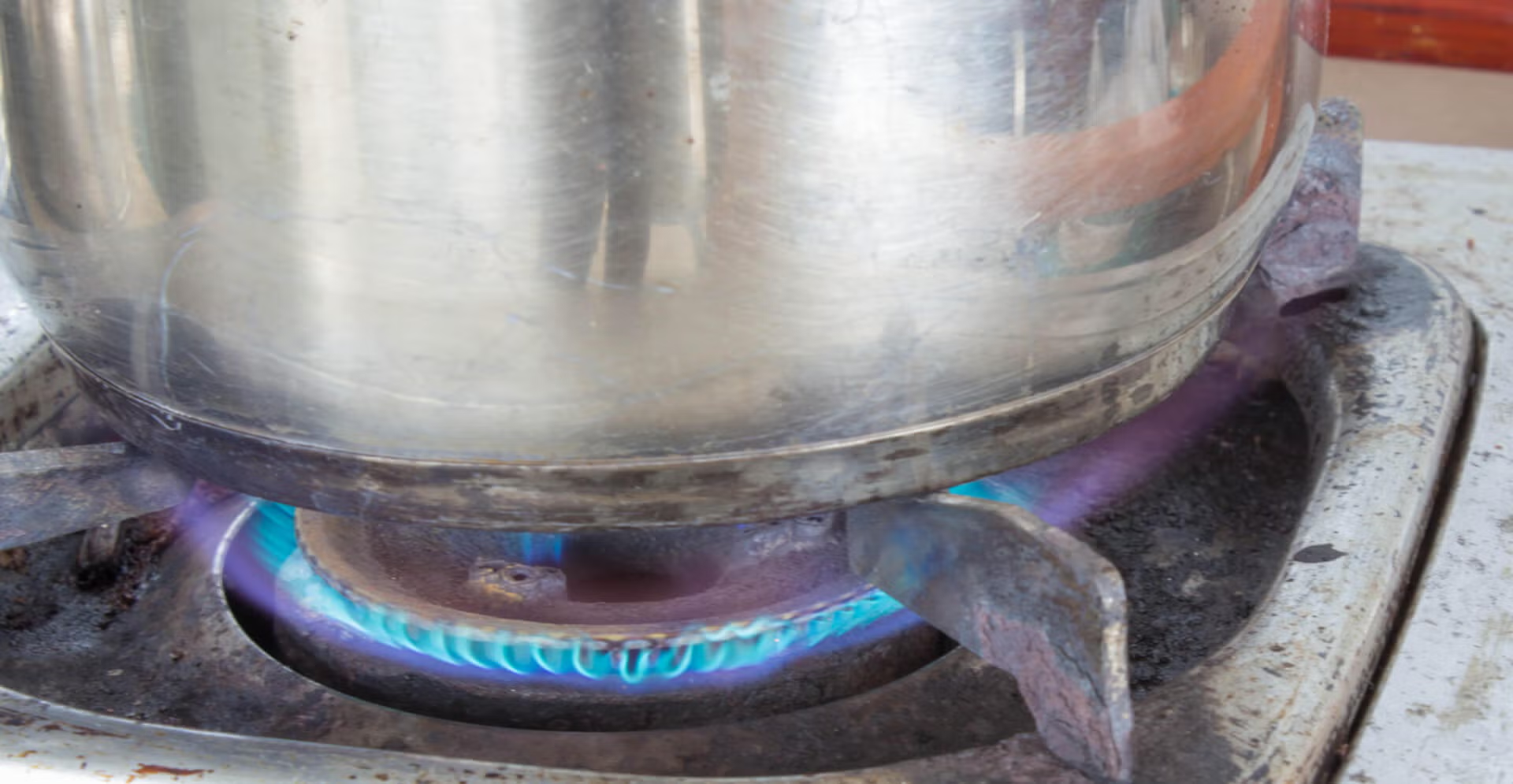
Pot over lit gas stove

There are some cleaning tasks we just don’t want to even think about doing! One of these jobs is cleaning the drip pan liners on the stove.  These liners can become extremely dirty with built up food and can be extremely difficult to clean. Food that gets dropped or spilled down there then becomes “fused on” due to the heat from the burner. We think this job is too hard and will take too long. And, might require nasty chemicals. But most people don't know how to clean stove drip pans in a green way.

Some people wrap their drip pans in aluminum foil to avoid having to clean them, but that really doesn’t give the stove a clean look. Other people remove the drip pans before cooking only to have the spills go down inside the stove itself.  Still others spray oven cleaner on the drip pans and let them sit overnight in the sink.  This option disturbs me as the oven cleaner is very toxic and leaving it sit overnight in your sink fills your kitchen with very toxic fumes.

Fortunately, there is an easy way to green clean these liners with some very simple ingredients. Here’s how to clean stove drip pans with a few items in your pantry.

Stove drip pans

  • Start by removing the drip pans from the stove and placing them in the sink to soak in the hottest water possible.
  • Let them soak for 10 minutes, then drain the water and pour straight distilled white vinegar into the bottom of the sink. The natural acid in the vinegar will start to work to soften the burnt on crust that’s baked onto the liner. Let them sit for 10 to 30 minutes.
  • Next, sprinkle baking soda onto the liners and use your fingers to rub it into the stains. The baking soda is a natural lifter and will react with the vinegar by foaming. Let the baking soda work with the vinegar for 10 – 15 minutes. You will notice that there will be flakes of the burnt on substance starting to float in the vinegar.
  • Rinse the stove liners with hot water and add more baking soda. Use a very aggressive sponge or even steel wool to work the baking soda into the rest of the crusty residue. This may take some elbow grease depending on how long it’s been since the liners have been cleaned.
  • Rinse again with hot water and towel dry. Your will be able to see your reflection in your clean stove liners.
  • If you have burnt on areas of the liner that just won’t come clean, replacing the liners is not expensive. Just remember that if you wipe them out with a wet microfiber cloth after each use, you will never have to go through the cleaning process I outlined above ever again.
microfiber-deep-cleans-woodwork

Now that you know how to clean stove drip pans in a green way, you need never use harsh, toxic chemicals again for this task.

Another spot around the stove that never gets the attention it deserves is the stove hood. Commercial kitchens have to pay a certified cleaning company to come in and remove the grease from the stove fan and filter. Fortunately, you don’t need to pay a professional to clean your stove hood.  Here are some great quick and easy tips to get and keep it clean.

Stove Hood

  • Place the fan filter in your dishwasher on a monthly basis. Your stove’s fan collects excessive amounts of airborne grease. An easy way to clean that filter is to pop it into the dishwasher. Just place it on the bottom shelf of the dishwasher and use a grease cutting dishwashing soap. The hot water in the dishwasher will melt the grease and keep it clean so that the exhausted air can pass through it.
  • To cut through built up grease on your stove hood, use rubbing alcohol in a spray bottle. Spray the area and let it sit for 5 – 10 minutes. Then use a drop of dish soap on a wet microfiber cloth to wipe the alcohol off the hood. If you have a gas stove, do not spray the alcohol around the open flame.


To read more great green DIY cleaning tips, visit Leslie's site at www.greencleaningcoach.com

How to clean a clogged drain, the GREEN way

Clogged drains start off slowly with water taking just a touch longer than usual to go down the drain. Then one day the water stops moving. Hair and soap scum will slow down the water flow almost without notice. It’s best to address a slow moving drain before it becomes completely clogged so you aren’t dealing with a broken pipe or worse.  Most of us have been “taught” through advertising that all you need is a bottle of drain cleaner. But this option is extremely dangerous and the ingredients can hurt you and your pipes and it’s unnecessary to release these toxins into your city’s water system when there are safer solutions for you and the environment.  Green clean a clogged drain using one of these methods:

green-clean-a-clogged-drain-with-a-plunger

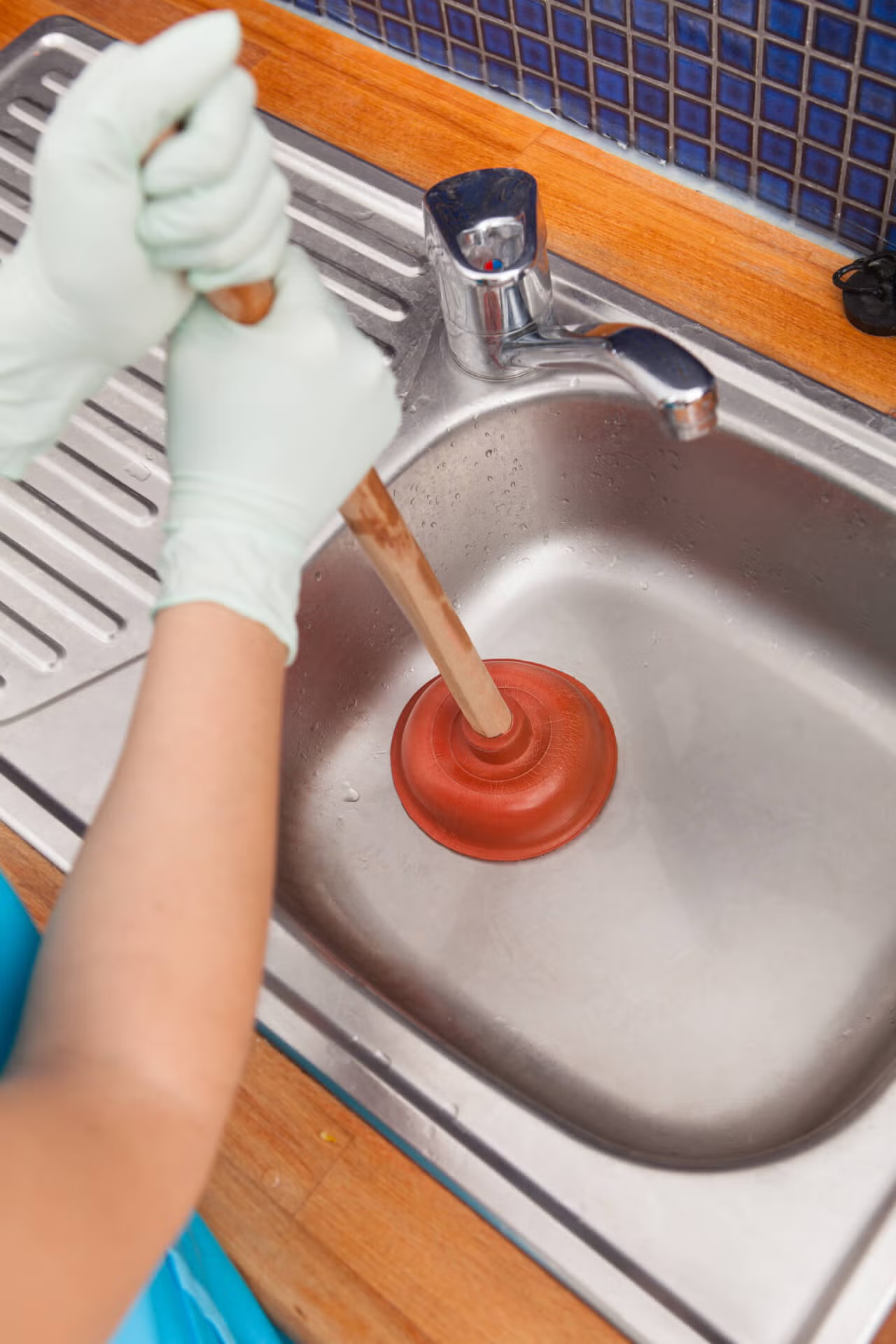
A plunger

It seems like a primitive way to clean out your drain but it’s one of the safest ways to remove a clog.  Make the first push of the plunger a gentle one. This will release the air inside of the tool. Now you can be more aggressive and push and pull the plunger to release the clog. After a few times, pull the plunger up and off of the drain.  You will see water from the clog come up and into the sink. If it doesn’t drain down, keep repeating the process until the clog is removed.

Drain weasel

There are some simple but very effective tools that will help remove solids that may be slowing down your drain.   The drain weasel works pretty simply. By using a patented micro-hook system on a flexible wand, it simply spins, pulls and toss.  It works faster than using a chemical drain cleaner.

A vacuum

Most wet/dry vacuums have a way to reverse the suction so that you can blow the clog out of the pipes.  Place the hose attachment in the exhaust area so that your vacuum is blowing air instead of sucking. Place the plastic pipe into the drain and let the pressure work to push the clog down the drain. Make sure you are very careful not to blow water and debris all over the room.

green-clean-a-clogged-drain-with-baking-soda

Simple Drain Cleaning Recipe

Your kitchen pantry holds ingredients that can green clean a clogged drain.  Mix up some table salt with an equal amount of baking soda and pour the mixture down the clogged drain. Then use one cup of distilled white vinegar that has been heated in the microwave. Pour the hot vinegar down the clogged drain and watch the mixture foam. Let the solution sit for 10-15 minutes while it continues to foam.  Flush the clog down with a pan of boiling water.

green-clean-a-clogged-drain-with-dish-soap

Dish Soap

Yes, dish soap can green clean a clogged drain! Place ¼ cup of dish soap down into the clogged drain.  The soap will work to break down the grease and loosen up the clog. Let the soap sit in the clog overnight.

green-clean-a-clogged-drain-with-a-drain-auger

Call a Professional

Instead of pouring an acidic solution down your drain that could make you sick and damage your pipes – call a professional. I have seen instances where you loosen a clog with the chemicals but it just moves the clog further down the drain pipes, creating an even bigger problem. A professional plumber will use a powered auger that can go for 200 or more feet to make totally sure your clog is removed from your drain pipes.

Green clean a clogged drain using any one of these methods instead of harsh chemicals that put your health, your pipes and the environment at risk.


Find more information from Leslie Reichert, our Green DIY Cleaning Expert, at www.greencleaningcoach.com