Tag: green cleaning

How to clean tile grout in the bathroom

Tile on the walls of your shower can have a very dramatic look. I love how the Fixer Upper Show uses the different colored Subway tiles in all their renovations.  But when I’m watching them install it, I have a little voice reminding me that the grout is going to be a real job to keep clean.  Grout is very porous and absorbs all the moisture and soap scum in the shower.  Add in that the shower area is dark and moist and you’ve got the perfect conditions to grow mold and mildew. Here are a few daily maintenance tips that will keep the tile grout looking good.

Run your exhaust fan for 20 minutes after the fog on the mirror disappears. Just because you can’t see the moisture doesn’t mean it’s not still in the air. You want to keep the room as dry as possible.

Use a squeegee   Removing the water from the tile will help the grout dry quicker. Keeping the walls of the shower free from moisture will prevent mold and mildew from growing.

Wipe the area down with a dry microfiber cloth. Even if you use a squeegee, you’ll still have drips and water on the tile and grout. Dry the entire shower with the microfiber so there is hardly any moisture left in the shower when you are done.

These maintenance tips will help your tile grout stay cleaner longer, but regular cleaning is a must to keep your grout bright, clean and free of mold. The ideal cleaning frequency for bathrooms is weekly but many of us don't have the time to do it that often. So, if bi-weekly is as often as you can clean your bathroom, relax knowing you're in the majority, and/or get a cleaning estimate - Maid Brigade would love to help you out with your house cleaning!

Follow these instructions on how to clean tile grout in your shower and bathroom floor and you'll have a sparkling bathroom every time you clean.

Things you will need:

  • Bucket of hot water
  • Stiff grout brush
  • Baking Soda
  • Oxygen bleach
  • Borax
  • Steam Cleaner  (optional but awesome)
how-to-clean-grout-in-the-shower

How to clean tile grout in the shower

Step 1 Set aside 30 minutes or more to spend cleaning the grout. Cleaning the grout is not a quick process. Start in an inconspicuous area to see if the cleaning will make a drastic difference to the color  of the grout.

Step 2 Start with a bucket of hot water and add in 1 cup of oxygen bleach.  Using a microfiber cloth, wipe the grout with a generous amount of the oxygen bleach mixture.

Step 3 Let the oxygen bleach mixture sit on the tile grout for 30 minutes.

Step 4 Wipe the grout with a clean microfiber cloth.

Step 5 If the grout needs more cleaning, reapply the hot water mixed oxygen bleach. Then sprinkle 1 teaspoon of baking soda and one teaspoon of borax over a small area and scrub with a small stiff brush.  The powders will mix with the oxygen bleach mixture and will create a paste that will penetrate the grout to leave it clean.

Step 6 Let the powdered mixtures sit on the grout for another 30 minutes.

Step 7 Using a microfiber cloth, rinse off all the powder, paste and oxygen bleach mixture and let the grout dry.

Step 8 Once the grout is completely cleaned and dry, seal it with a grout sealer to keep it clean and stain free.

how-to-clean-grout-in-the-floor

How to clean tile grout in the floor

Step 1 Vacuum the entire floor to remove sand and dirt from the area.

Step 2 Place warm water in your steam cleaner and use the attachment hose with a small nylon or brass bristle brush.

Step 3 Each steam cleaner is different, but look for the button, light or signal to let you know that the cleaner is producing steam.

Step 4 Using the small bristle brush, target the steam over the grout. You will see dirt and debris moving away from the grout onto the tile.  Use a dry microfiber cloth and wipe up the dirty water as you go.

Step 5 Work in small areas and let the grout dry before proceeding to the next area.

Step 6 Let the entire floor dry and wash completely with plain hot water and a microfiber mop.

How to maintain your floor tile grout

  • After your tile grout is cleaned apply a clear tile grout sealer to protect it from stains and dirt.
  • Wash the entire floor with hot water and oxygen bleach. Let the water and oxygen bleach mixture sit on the floor as long as possible (at least 30 minutes) and then wipe the floor dry.


If you liked these tips, you may want to also read:

How to Clean and Control Mold

Battling Mold in Your Bathroom

For more great green cleaning tips from Leslie Reichert, visit the Green Cleaning Coach website.
How to clean and control mold

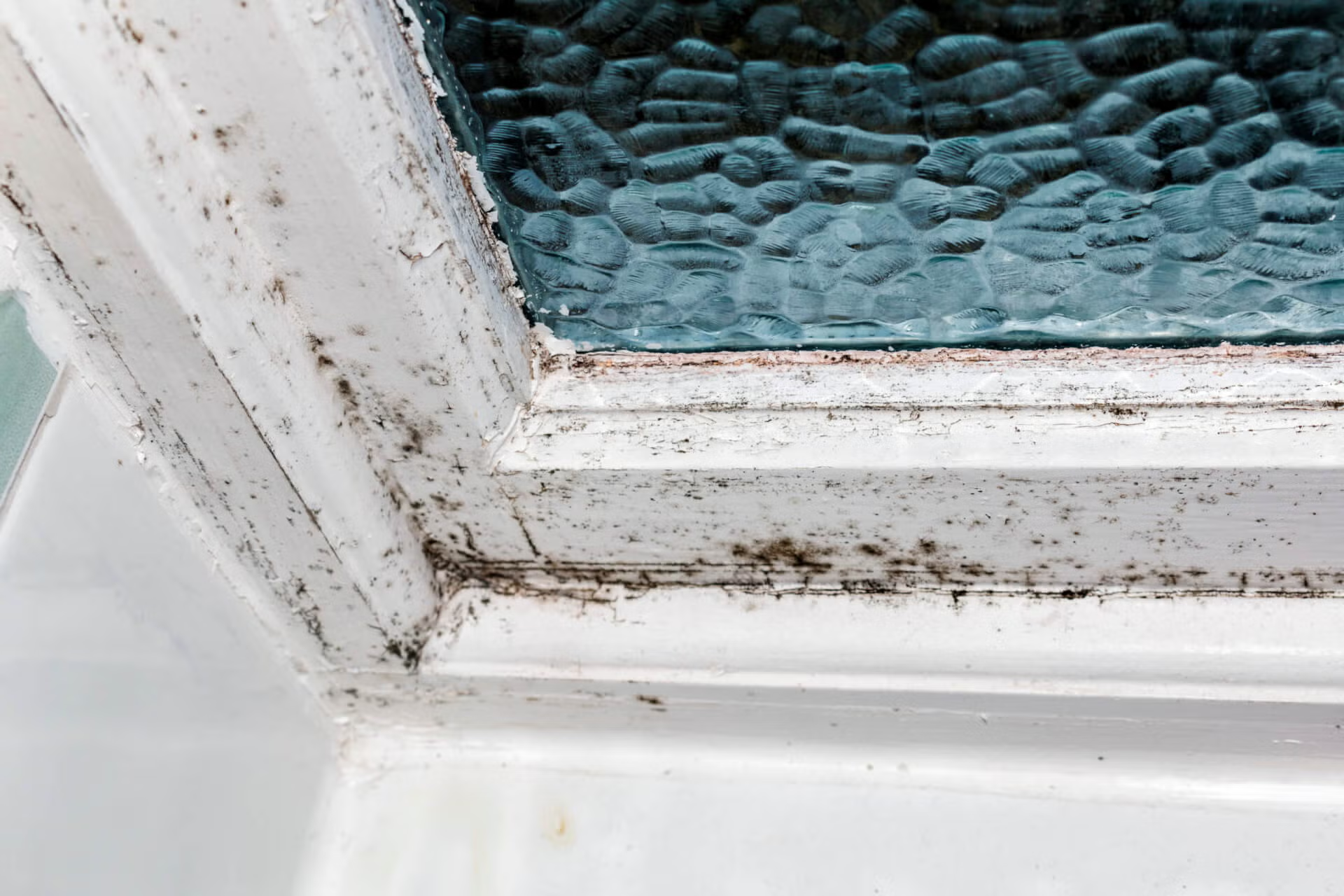
Almost every house has a little mold in it somewhere. Mold grows when you mix moisture and darkness. Mold actually uses your home’s plaster, drywall or wood as it’s food. And it destroys its food source as it grows. Address mold early, when tiny spots just appear, and remove it as soon as you find it so it doesn’t create a larger problem and potential damage your home.

Removing mold from your home

  • Before trying to remove mold from your home, make sure no one in your family has an allergy to mold. Some molds can be highly toxic and can cause a severe reaction. If you have any reservations about removing the mold in your home, consider calling a professional mold expert to handle the job.
  • Look for mold in damp, wet or steamy areas. This areas can include bathrooms, kitchens, flooded areas, basements, cabinets with plumbing leaks, garages or outdoor areas in humid climates.
  • Remove all the contents of the affected area and place them in sunlight to dry up the mold spores that may be on the items.
  • Mix up a bucket or spray bottle of oxygen bleach and water. Oxygen bleach will kill mold and bacteria just as well as chlorine bleach. Plus, it’s safer to use and won’t affect your respiratory system. Mix a few tablespoons of oxygen bleach in hot water until it’s dissolved.
  • Using a microfiber cloth, wipe all the items that were in the moldy area with the oxygen bleach solution. Place the item back into the sunlight to dry. If there are a lot of mold spores on some of the items, use a mask to protect yourself from the moldy dust.
  • Once the area is emptied and any affected items are clean and dry, use the oxygen bleach solution to wipe the visible mold off of any hard surfaces in the room. If it’s easier, you can put the oxygen bleach solution into a spray bottle and spray the areas. Let the oxygen bleach solution sit on the areas for 10-15 minutes. Then wipe the areas with a clean damp microfiber cloth. Once wiped clean the area needs to dry completely. Use a hair dryer for small, tight areas or use a room fan for larger areas. You also want to keep a window or door open to the outside to let fresh air into the area.
  • When the area is completely dry, spray the surfaces that were affected with mold with a mixture of witch hazel and 15 drops of Tea Tree oil. Tea tree oil is a natural essential oil that not only kills mold but also kills the mold spores that may be left in the surface. If the spores are not terminated, the mold will reappear. Tea Tree oil is a great option for removing the spores from the area naturally. Let the Tea Tree solution dry completely on the surface. It does not need to be wiped off after spraying.
  • If you have a severe mold problem in a bathroom or kitchen area, consider using a mold inhibiting paint primer on the surface. There are a number of primers that are available on the market. Some manufactures say that you can paint right over the mold, but most recommend removing the mold before painting the affected area. Painting the primer on the cleaned surface will prevent the mold from returning. These primers contain an EPA recommended antimicrobial ingredient that prevents the growth of mold, mildew and other fungal organisms. These primers can be found at your local hardware or paint store and can even be tinted to match your existing paint.


For more information on how to clean and control mold, see these posts:

Battling mold in your bathroom

Natural ways to kill off mold and mildew


For more information on green cleaning, visit Leslie Reichert's site: Green Clean Coach.

How to care for a swimsuit

four kids smiling at the camera from the edge of a pool

With the official start of summer outdoor pools are starting to warm up enough to enjoy splashing around in the water.  It also means a look at how to care for your swimsuit so it will last through this season and beyond.  Without the right care, even a high quality swimsuit may not make it through one swimming season.  Here are some do’s and don’ts for caring for your swimwear.

Do wash your new bathing suit in cold water before wearing it the first time. The cold water will set the colors in your suit and keep it looking new. Chlorine and the sun will work to fade the colors so this one simple step can protect your suit from fading all season.

Do wash your swimming suit out every time you wear it. Even if you didn’t go in the water, your body oils and sun tan lotion can damage your suit.

Do use an outdoor shower and wet your suit before going into the water. A dry bathing suit is extremely absorbent and will act like a sponge, absorbing all the chemicals in the water. A wet suit is less absorbent and won’t get as much of the chemicals into the fabric.

swimsuit-care

Do rinse off after swimming in a cool outdoor shower so you can rinse off as much of the salt or chlorine as you can. Then store your suit in a plastic bag until you can get home to rinse it out and let it soak.

Do hand wash your suit instead of using the washing machine. Machines are too hard on a swimming suit and pull on straps and openings that break down the elastic.  Instead, turn your swimsuit inside out and place it in cool water with a gentle hand soap for 30 minutes to let the soap work to break down body oils and other chemicals.  Rinse out the suit with warm water and roll your suit up inside two clean, dry towels to remove the water. Then place it on a flat surface to dry.

Do use a simple technique of sprinkling corn starch on any spot or stains on your suit before soaking. Corn starch is very absorbent and will work to pull lotion or oils out of your suit so they won’t stain. Just sprinkle the area with the corn starch and let it sit for 30 minutes before rinsing it off.

Do use a drying rack to dry your suit. Don’t place your suit on wood or metal as those materials can catch the fabric or leave a rust mark. Invest in a drying rack that you can put in your bathtub or outside on a deck.

Do use a lingerie bag if you HAVE to wash your suit in a washing machine. The bag will prevent the straps and strings getting caught on other items and prevent the fabric from being pulled out of shape. Make sure you don’t put the suit, even in the lingerie bag, into the dryer.  The hot temperature will dry out the elastic in the suit.

Do look for chlorine resistant fabric when purchasing a new suit. This new fabric can make your suit last 25 times longer than a typical swimsuit.

care-for-swimsuit

Do purchase two swimsuits for your summer season. Having the ability to switch suits gives the fabric time to “remember” and go back to its original shape.  Most swimsuits are made with some Lycra in the fabric. Lycra has a memory so giving it a day off will help it go back to its original shape.

Don’t use a laundry detergent when washing your swimsuit. Use a very gentle soap that will rinse totally out of the fabric. A simple bar of soap will do – run it under the water so it’s dissolved in the water before you add your suit. Remember to let it soak for 30 minutes so the soap can break down the oils and remove the chemicals.

Don’t let your swimming suit sit in the soaking solution for longer than 30 minutes.  The chemicals will go into the soaking water during the 30 minutes, but after that you are just letting the suit sit in the chemicals you are trying to remove from it. To avoid this chemical cocktail, rinse it out after 30 minutes.

Don’t wring out your bathing suit. The intense pulling will break down the fabric and the elastic. Use the towel method mentioned above.

Don’t hang your suit over a rod or deck railing to dry.  The water that pools at the base of the fabric will pull and stretch the fabric so that it will become distorted. Always let your suit dry on a flat surface.

Don’t dry your suit in the sun. The sun is very powerful and will fade the colors and dry out the elastic fabric in your suit.  Instead, find a shady spot for a drying rack so you can lay your suit flat. Turn the suit over after the top feels dry to let the air get to the underneath.

Don’t sunbath in a wet bathing suit.  A wet bathing suit has the chlorine or salt in it and when those items are exposed to direct sunlight the damage to your suit is multiplied. Instead, sunbath first and then go swimming or use an outdoor shower to rinse off before laying in the sun.


Video: How to control allergies indoors

May is Asthma and Allergy Awareness Month. If you have someone in your household who suffers asthma or allergy attacks, these 5 key areas of your home need special attention while you are spring cleaning this year. Lifestyle Expert Michelle Yarn shares advice from Maid Brigade on how to control allergies indoors, in this new video:

When it comes to cleaning for health, Maid Brigade wrote the book. Our Green Clean Certified® system uses cleaning solutions and equipment that are designed to be safer yet equally effective to traditional cleaning systems, that can make you sick. Using green cleaning products and equipment is one important way to control allergies indoors. Another is to focus on the 5 key areas in your home to address, described in the video above.

Maid Brigade has dedicated ourselves to  educating the public on safer alternatives, and we have a TON of "how to" info for the  DIY cleaner.  You can check out some recent examples by clicking on the titles below.

How to Take Care of Your Mattress

How to Choose the Best Vacuum Cleaner for YOUR Home

2017 Cleaning Calendar and Checklists

If you don't want to clean for your self anymore, or if you need help every once in a while (like, maybe right before your Memorial Day party!) give us a call at 888-79GREEN or click below to get a free, no obligation estimate:

schedule-your-cleaning

All Maid Brigade cleaning crews are uniformed, trained, Green Clean Certified® and insured. We pay all local, state and federal taxes. Our professional cleaners are Maid Brigade employees.

How to Take Care of Your Mattress

young child jumping on a bed

When you look at the things in your house that need attention this spring, do you see your mattress anywhere on the list? Probably not, and you’re not alone. Few people realize how important mattress care is – not only to your spine and sound sleep. Respiratory health depends on it, especially if you have asthma or allergies.

Most people don’t know that mattresses actually need to be cleaned every season, not just in the spring. Read this blog to learn all the little-known tips for how to take care of your mattress.  And, some things you should definitely NOT do if you want to properly take care of your mattress.

Do you know what you’re sleeping on?

Before you start you need to know exactly what type of mattress you own.  There are many different types of mattresses on the market. And each type needs a different care routine.

FOAM – Foam mattresses are made from many different types of foam that are used in combination to create different densities for comfort and support. Foam mattresses are easy to care for: simply spot clean stains with an ecofriendly spot cleaner and vacuum it on a regular basis to keep allergens to a minimum.

GEL – If it is made of gel, care for your mattress just like you would a foam mattress. Keeping it aired out and vacuumed is very important.

INNERSPRING – These mattresses are usually covered in a fabric which absorbs moisture and dust. Vacuum innerspring mattresses on a regular basis to maintain a healthy sleeping place and easy breathing.  Using a mattress cover will keep your mattress free from stains, dust and moisture. It is a worthwhile investment to help you take care of your mattress.

how-to-care-for-your-mattress-vacuum-regularly

Mattress Do’s

  • Turning your mattress on a regular basis distributes wear evenly. You should turn the mattress from side to side and also from top to bottom. Turning should be done once every three months to prolong the life of the mattress. Do not flip your mattress.
  • Vacuum your mattress every time you change your sheets. Use an upholstery tool on your vacuum to vacuum the mattress top and sides as well as the mattress frame.
  • Let your mattress air out as often as you can. When changing the sheets, it makes sense to strip the bed in the morning and let the mattress air out during the day. We sweat a lot while we sleep and our mattresses absorb that moisture. Giving it time to air out and dry will keep it fresh. Martha Stewart suggests stripping the bed before going on vacation so that the mattress can air out all week.
  • As necessary, spot clean mattresses with a gentle spot cleaner. Use extremely diluted dish soap (a drop or two is all you need) in a 16-ounce spray bottle and a microfiber cloth to spot wash dirty areas.
  • Invest in a mattress cover to keep your mattress clean and free from moisture. A mattress cover can also seal in allergens so that you won’t be affected by dust mites and their “dirt”. Do your research and choose a mattress cover that will repel water and seal in allergens.
how-to-care-for-your-mattress-don't-jump-on-the-bed

Mattress Don’ts

  • Don’t let your mattress get wet. Moisture in a mattress takes a long time to evaporate and can actually cause a mold problem. If the mattress does get wet, you can sprinkle corn starch on the area to absorb the moisture and then let the mattress air dry.
  • Don’t sit on the edge of the bed. The pressure and weight of your body will work to break down the sides that support the mattress.
  • Never use harsh chemicals around your mattress. Your mattress is like a huge sponge and the fumes from the chemicals will stay inside it for a long time, exposing you to those chemicals while you sleep.
  • As much as we think it’s okay, don’t put a board between the mattress and box springs. This will work against the support system in your mattress.
  • No more jumping on the bed. This damages the mattress (plus it’s unsafe!) so no more jumping on the bed during pillow fights.


For more information on cleaning for Asthma and Allergies, visit:

https://maidbrigade.com/blog/choose-the-best-vacuum-cleaner
https://maidbrigade.com/blog/how-to-clean-books-and-bookcases

For more green cleaning tips from Leslie, visit her Green Cleaning Coach web site.


How to Clean Stove Drip Pans and Hood

Pot over lit gas stove

There are some cleaning tasks we just don’t want to even think about doing! One of these jobs is cleaning the drip pan liners on the stove.  These liners can become extremely dirty with built up food and can be extremely difficult to clean. Food that gets dropped or spilled down there then becomes “fused on” due to the heat from the burner. We think this job is too hard and will take too long. And, might require nasty chemicals. But most people don't know how to clean stove drip pans in a green way.

Some people wrap their drip pans in aluminum foil to avoid having to clean them, but that really doesn’t give the stove a clean look. Other people remove the drip pans before cooking only to have the spills go down inside the stove itself.  Still others spray oven cleaner on the drip pans and let them sit overnight in the sink.  This option disturbs me as the oven cleaner is very toxic and leaving it sit overnight in your sink fills your kitchen with very toxic fumes.

Fortunately, there is an easy way to green clean these liners with some very simple ingredients. Here’s how to clean stove drip pans with a few items in your pantry.

Stove drip pans

  • Start by removing the drip pans from the stove and placing them in the sink to soak in the hottest water possible.
  • Let them soak for 10 minutes, then drain the water and pour straight distilled white vinegar into the bottom of the sink. The natural acid in the vinegar will start to work to soften the burnt on crust that’s baked onto the liner. Let them sit for 10 to 30 minutes.
  • Next, sprinkle baking soda onto the liners and use your fingers to rub it into the stains. The baking soda is a natural lifter and will react with the vinegar by foaming. Let the baking soda work with the vinegar for 10 – 15 minutes. You will notice that there will be flakes of the burnt on substance starting to float in the vinegar.
  • Rinse the stove liners with hot water and add more baking soda. Use a very aggressive sponge or even steel wool to work the baking soda into the rest of the crusty residue. This may take some elbow grease depending on how long it’s been since the liners have been cleaned.
  • Rinse again with hot water and towel dry. Your will be able to see your reflection in your clean stove liners.
  • If you have burnt on areas of the liner that just won’t come clean, replacing the liners is not expensive. Just remember that if you wipe them out with a wet microfiber cloth after each use, you will never have to go through the cleaning process I outlined above ever again.
microfiber-deep-cleans-woodwork

Now that you know how to clean stove drip pans in a green way, you need never use harsh, toxic chemicals again for this task.

Another spot around the stove that never gets the attention it deserves is the stove hood. Commercial kitchens have to pay a certified cleaning company to come in and remove the grease from the stove fan and filter. Fortunately, you don’t need to pay a professional to clean your stove hood.  Here are some great quick and easy tips to get and keep it clean.

Stove Hood

  • Place the fan filter in your dishwasher on a monthly basis. Your stove’s fan collects excessive amounts of airborne grease. An easy way to clean that filter is to pop it into the dishwasher. Just place it on the bottom shelf of the dishwasher and use a grease cutting dishwashing soap. The hot water in the dishwasher will melt the grease and keep it clean so that the exhausted air can pass through it.
  • To cut through built up grease on your stove hood, use rubbing alcohol in a spray bottle. Spray the area and let it sit for 5 – 10 minutes. Then use a drop of dish soap on a wet microfiber cloth to wipe the alcohol off the hood. If you have a gas stove, do not spray the alcohol around the open flame.


To read more great green DIY cleaning tips, visit Leslie's site at www.greencleaningcoach.com

How to Really Clean a Fireplace

how-to-really-clean-your-fireplace

When was the last time you cleaned your fireplace? Not just emptied the logs and shoveled (you didn’t vacuum, did you?) the ash, but really cleaned it?  To clean a fireplace is not even a "to do" on our spring cleaning list. Surprisingly, your fireplace should be cleaned at the end of every burning season.  Chimneys also need to be cleaned and checked regularly by a professional chimney sweep every year to avoid a chimney fire.

If you follow these simple tips on how to clean a fireplace, yours can be cleaned in less than an hour.

Things you will need:

  • Stiff Brush
  • Abrasive tool
  • Protective clothing
  • A sheet or cloth to protect surrounding area
  • An old towel (one that is okay to stain)
  • Gloves
  • Coffee grounds – helps to keep ashes from becoming airborne
  • Kneeling pad
  • All-purpose cleaner
  • DIY stain remover
  • Fireplace shovel
  • Cream of Tartar
  • Distilled white vinegar
how-to-clean-a-fireplace

Start by laying down a tarp or towels around the fireplace to protect your flooring from soot. Make sure to wear protective clothing as soot is extremely difficult to remove from fabric.

Remove the grate from the fireplace while wearing protective gloves. Place the grate on the old towel to prevent soot getting on the flooring. Remove any large debris in the fireplace and throw away the large chunks of burnt logs.

Using a hand-held brush, start at the top of the of the fireplace and brush the loose dust from the walls of the flue.  A simple tip to keep ashes from becoming air borne is to sprinkle dried coffee grounds on top of the ashes. Remove the ashes and the grounds with a dust pan or a fireplace shovel and dispose in garbage bag.  Never use a household vacuum to clean up the ash. The ash in a fireplace will destroy a vacuum motor because vacuum bags are not designed to capture fireplace soot.  Alternatively, use a specialized vacuum designed specifically for ashes.

Next, spray an all-purpose cleaner on the walls and floor of the fireplace, and the exterior brick if there are soot stains on it. Let it sit for 30 minutes to let the cleaner absorb into the pours of the brick. The ingredients of the all-purpose cleaner will work to break down the carbon that is contained in the soot. After it sits, use a scrub brush to clean the brick.

If the brick is stained, clean it with a DIY stain remover made with Cream of Tartar and water. Mix the Cream of Tartar powder with water to create a thin paste. Use a tooth brush and scrub the mixture into the brick. Let the paste dry to a powder. Use a soft brush to remove the powder from the brick. The powder will pull the soot from the pours of the brick.  Another method is to spray the stained area with distilled white vinegar and brush the Cream of Tartar into the stain so that the acid in the vinegar will break up the soot.

Use a wire brush to remove burnt on creosote that has built up on the fireplace grate. Place the grate back into the chimney. Make sure to use dry wood in your fireplace to keep the buildup to a minimum.

Spring cleaning should always include the fireplace if you have one. And now you'll never have to wonder how to clean a fireplace the right way.


www.greencleaningcoach.com


How to Clean Books and Bookcases

Deep-clean-books-and-bookcases

Warmer temperatures this winter have brought pollen out sooner than expected. May is Asthma and Allergy Awareness month, but if you or someone in your household is suffering asthma or allergy attacks, it’s probably time to do a deep cleaning targeted at removing the allergens than trigger these attacks. Pollen, dust, dust mites and pet dander are some of the main culprits and they are lodged in your carpets, upholstery, drapes, bedding and stuffed animals.

One often overlooked area to address is books and bookcases. Triggers that build up here can really be a problem for an asthma or allergy sufferer. But with the right deep cleaning tips you can alleviate suffering from asthma and allergy attacks. Here is the proper way to clean books and book shelves:

Quarterly cleaning your books and bookcases

This process should be followed every three months to keep asthma and allergy attacks at bay. For more information on cleaning for asthma and allergy sufferers, view this infographic.

Cover the floor. Start by placing a towel on the floor in front of the bookcase to catch any falling dust. Place another towel nearby – you will be placing the books on this one when you remove them from the shelf.

Work top to bottom. Start with the very top of the bookcase and completely remove the dust using a lightly dampened, large looped microfiber cloth folded into quarters (this makes 8 clean surfaces).  Then proceed in the following manner with each bookshelf, starting at the top and finishing with the bottom one.

Clear and clean. Remove all the books from the top shelf and place them on the book towel. Remove all the dust from this shelf, including all five shelf surfaces.

Dust all six sides. Using a fresh, clean surface on your cloth, dust the tops, sides and bottoms of the pages of each book while closed, as well as the front and back covers and the spine. It doesn’t really matter what order you do it in, just that you follow that order with each book, so that you won’t forget any surface on any book. Return each one to the shelf as you finish it.

how-to-dust-a-book

Repeat.  When the top shelf is completely dust-free, remove the books from the second shelf. Dust all the surfaces of the shelf.

Before you start dusting the books, change to a fresh, clean surface on your cloth.

Continue in this manner, changing the microfiber surface when you are dusting the books, not the shelf so that the cloth is as clean as possible when contacting the books.

Once you are done, place the book towel over the other towel and fold them together to prevent dust from falling off the towels. Place them in the washing machine to launder with other soiled items.

While you are cleaning the books, check for damage.

Caring for books

If you notice marks on the covers as you are dusting them, set them aside for extra care. We recommend Absorene Paper and Book Cleaner. It works like a pencil eraser to gently remove marks and stains.

If any books smell a little musty, place them and an open box of baking soda in a plastic container with a lid for at least two days and up to a week if necessary to let the baking soda absorb the odors.

Books last longer when they are stored in the “sleeping position” which is flat. They can be stored in an upright position like you see in a library as long as they are pressed together firmly. Never store your books leaning against another book.

If you don’t have enough books to keep them tucked together tightly, buy some inexpensive book ends to hold them.  If you don’t have bookends, place a stack of books in the sleeping position and use that as your bookends. This will give your books a pleasant looking arrangement.

Organizing and purging books

While you have your books off the shelves, it’s a good time to do some organizing and purging as well. As you work, set aside books that no longer interest you to give them to someone who will appreciate them. Donate your books to your local library or other charity.


Leslie Reichert is a cleaning expert that uses her sparkling personality, great sense of humor and contagious passion to encourage her fans and followers to think differently about what they are using in their homes. Leslie is known as a Green Cleaning Coach and she is changing the world - "one spray bottle at a time".  She is a national lecturer, a frequent homekeeping expert on The Dr. Oz Show, Martha Stewart Living Radio, Maid Brigade’s DIY Cleaning Expert and author of the book: The Joy Of Green Cleaning- a handbook for DIY cleaners. She works with Better Homes and Gardens, Real Simple, Today.com and other national publications.  You can see more of her work at www.greencleaningcoach.com


8 surprising tricks to reduce allergy attacks this fall

OR, what do a clothes dryer, a pillow case and a hair dryer have in common?

indoor-allergens

When the weather turns colder we close our windows and it seems that everyone starts getting sick. Most of the “sickness” is really a reaction to dust and allergens that are hiding in our homes. Hiding??? Yup, hiding throughout your house. If you or someone else in your house notices more congestion, more sneezing or coughing, this could be your problem.

A really good vacuum with lots of attachments isn’t the only way to reduce these irritants indoors. And besides, it’s big and clunky, puts off heat when operated and it’s all the way down in the basement. Instead, try these surprisingly easy tricks to get rid of allergens in your home – and your sickness.

Fluffy deep pile rugs – Rugs in general are dust magnets but those new designer rugs that have long shaggy pile are the worst. Dust, dust mites, pet dander, pet hair and other allergens get embedded deep within the fibers. Put smaller size rugs right into your clothes dryer to remove the allergens. As you will discover in this blog post, your dryer is possibly your best weapon against allergens in your home. The heat of the dryer kills the dust mites and the air flow frees the allergens and exhausts them outside.

clothes-dryer-best-defense-against-allergens

Throw Pillows – Throw pillows accumulate dust just like your wood furniture. I think I’ll dust them today. Says no one, ever. And you can’t, really, anyway. You can clean them with the upholstery tool on your vacuum OR simply take them outside and give them several good whacks to dislodge dust and other microscopic irritants, then use your trusty dryer to kill and remove the remaining, more deeply embedded allergens.

Book Shelves – Books hardly ever get dusted when we clean. Yes, we dust the shelf they are sitting on, but never the tops of books.  Ever watch a movie and see the dust they blow off when they pull an old book out of a shelf in the library?  It’s exaggerated in the movies, but commonly occurs on a lesser scale in an average home.

micro-fiber-dust-cloth-for-allergens

Books get really dusty. You can quick clean them on the shelf by using a really good feather duster or your vacuum and the upholstery attachment. But if it’s been a while, a deep clean may be in order: pull all the books off the shelf and dust all six sides of each with a microfiber cloth. Microfiber grabs and holds dust and other allergens while other dusting rags just move dust around. If you’ve got allergies, you need microfiber for a really thorough job.

Draperies- Drapes and curtains are the worst place for dust and allergens to accumulate. Most allergists recommend removing window dressings completely when someone has been diagnosed with dust allergies. If you can’t live without draperies or curtains, there are a couple ways to keep the allergens at bay. Vacuum your window treatments on a bi-weekly basis using your vacuum and upholstery tool. Once a month, take them down and place them in the dryer on high heat.  Keep this regimen and you will never need to go through the entire process of washing, drying and pressing your curtains.


Lamp shades – Pleated lamp shades never really get dusted. You may dust the top of the pleats of the shade by “blotting” with a microfiber cloth (you don’t want to push particles into the weave of cloth shades) BUT the real allergens are hiding deep down inside the pleats. Use your vacuum and the upholstery tool to draw dust out of the pleat. Then use a new paint brush and brush down inside the pleats to loosen the dust nestled there.  Finish by vacuuming the entire shade one final time.

dust-lamp-shade-with-paint-brush

Artificial plants and flowers – Allergens LOVE to hide in dry flower arrangements and on artificial plants. Artificial arrangements tend to be overlooked when we are dusting. A simple tool you can use to clean the dried flowers is a hair dryer set on a gentle setting. Do this outside or in the garage, if possible. To clean plastic plants, simply use a spray bottle of water and a dry microfiber cloth. Spray the leaves and wipe them dry with the microfiber cloth.

dust-with-a-hair-dryer

Stuffed animals – If your child is diagnosed with allergies the first thing your allergist will recommend is bag up all your child’s stuffed animals. These, like throw pillows, are a haven for dust and allergens. If your child just can’t part with these beloved friends, place them in a pillow case and pop them in the washer twice a month to keep the allergens to a minimum. If they can safely be dried, use the dryer.

Ceiling fans – Perhaps the most overlooked item on a routine clean is the ceiling fan. Before you know it, there’s a nice film of dust building on the edges of the fan paddles. What you can’t see is the buildup on top of those paddles. A quick and easy way to fix this is with a pillow case. Place the pillow case over the fan paddle and, holding it closed at the base of the paddle, pull the dust off.  Carefully open the pillow case and repeat on the remaining paddles. Then just put the pillowcase in the washer. No more allergens!


Battling Mold in Your Bathroom

shower-tile

This time of year is when we start battling mold in our bathrooms. Mold loves dark, moist areas and a bathroom is its perfect home. Mold is a living fungus that reproduces when it has enough water and food. Mold is not related to cleanliness but to moisture, therefore even the cleanest bathroom can have an ongoing mold issue.

Some mold is more dangerous than others, but most molds are just growing organisms that damage walls and tile grout. Mold growing on porous drywall is actually using the drywall for food and destroying it in the process.

Bleach will not kill mold. It will change its appearance but the mold will grow back. And, bleach is unhealthy and damaging to the environment. To kill mold you must use an anti-microbial.

tea-tree-oil-anti-microbial

This year, wage a different battle against mold. Use these few simple tricks and a green DIY recipe to keep mold from growing in your bathroom.

  • Run the fan as much as possible – mold can’t grow without moisture. Run your ceiling fan for at least 10 minutes AFTER the steam has disappeared from the bathroom mirror. Moisture stays in the air long after you can see it, so let the fan run the entire time you are getting ready in the morning.
  • Open the window even slightly so you have continual fresh air - Fresh air helps damp surfaces dry faster.
squeegee-shower

  • Use a squeegee to remove water on the shower walls and glass doors - This will not only stop the mold but keep your shower clean. If you squeegee your shower, you’ll almost never have to clean it.
  • Wipe down surfaces with a microfiber cloth – if you wipe down damp surfaces in your shower and sink with a microfiber cloth, everything will dry faster and you will stop mold in its tracks. Make sure to take the damp microfiber cloth out of the bathroom when you are done.
battle-mold-with-microfiber

  • Hang wet towels outside of the bathroom -Wet towels can take up to 24 hours to dry and create unwanted extra moisture.
  • Hang wet bath mats outside of the shower area – Shower mats collect a ton of water. These carpets can take days to completely dry. Hang mats and throw rugs outside so that they can dry completely.
shower-curtain

  • Shake out your shower curtain- Shower curtains are a breeding ground for mold. Moisture gets into the pleats which are perfect a perfect breeding ground for mold. By shaking out the curtain you remove the excess water and help it to dry faster. Remember to keep the curtain completely drawn.
  • Spray this DIY mix daily on dry tile grout and drywall –
    • Vodka or witch hazel
    • 20 drops of tea tree essential oil

Combine ingredients in a spray bottle and spray the mixture on dry tile grout and drywall daily (it's important the grout is dry, so that the mixture will penetrate the grout pores to kill mold beneath the surface). The alcohol in the vodka will evaporate very quickly and the anti-microbial properties of the tea tree oil will work to kill the mold and mold spores in your shower area. This mix is great to use on ceilings too, especially textured ceilings that are difficult to wipe down.

  • Clean your bathroom regularly or hire a cleaning service. Mold needs a food source to survive. It eats dead skin cells trapped in soap scum residue. Eliminating mold requires removing its food source. So a frequent, thorough shower cleaning will go a long way toward reducing your problem long term.

A bathroom is a very hospitable environment for mold, so the battle against it will be ongoing, but with these tips you can be more effective, safely.

Green cleaning works on appliances, too!

glass-top-stove-cleanerToday's high-end appliances take expensive specialty cleaners to keep looking brilliant - or DO they? Leslie Reichert has some green cleaning techniques that work just as well, and you probably have them on hand right now.

Cleaning appliances can be a struggle. Since there is a growing number of cleaning products manufactured specifically for each of the different finishes available today, like stainless steel polish, porcelain scrub and even glass-top stove cleaner, you could buy a dozen different products just to clean your appliances! Instead let me show you some DIY ideas for cleaning appliances. With a few simple ingredients and some microfiber cloths, your appliances can be perfectly maintained for just pennies.

glass-top-stove

Cleaning the stove

The stove is one of the hardest appliances to clean. Burnt-on food coupled with spattered grease make cleaning this surface a chore.  If you have a glass-top stove, try using my “green” scrub.  First, use a flat utility blade to scrape off burnt food, taking care not to cut your fingers.  Next, sprinkle the scrub powder onto the glass surface. Using a damp sponge, work in circles until all grease and stains are loosened. Finish by wiping the glass-top clean with a damp microfiber cloth.

Green Scrub Recipe

  • 1 cup baking soda
  • 1 cup table salt
  • 1 cup borax
  • 8 drops pure essential oil for fragrance

Mix well and place in a shaker container

clean-oven-interiorCleaning the oven*

Typical oven cleaners contain toxic chemicals and fumes that are very dangerous – potentially damaging your lungs, your skin and even the food you cook in your freshly cleaned oven.  Even if you rinse the oven really well, there will still be some off-gassing that happens the next few times you use your oven.  Instead, let’s use the power of science to clean your oven. Start by sprinkling some baking soda over the base of the oven. Then fill a spray bottle with distilled white vinegar and lightly spray it over the baking soda. The mixture will start to foam, just like the chemical oven cleaners.  This foam will lift off anything stuck on the oven, without using toxic chemicals. Continue to spray the vinegar onto the baking soda frequently, until the foam has done its work. Soon the mess will wipe right off.

*Do not use this method if you have a self-cleaning oven.

stainless-steel-appliance-cleaner

Stainless steel appliances

There is a daily fight with fingerprints left on stainless steel appliances, in large part because the people putting the fingerprints ON the appliances are not the ones wiping them off! But stainless steel can actually be cleaned very easily. For daily wiping of fingerprints, use a finely woven microfiber cloth – the same type of cloth your eye doctor gives you for cleaning your eye glasses – to keep your stainless steel looking great. To protect stainless steel from fingerprints in the first place, use a light coat of organic olive oil over the entire appliance. The oil will actually work to repel the oils on your fingers. It will keep your stainless steel looking great for a week or more.  After a week, wipe the surface with a microfiber cloth and reapply.

Black appliances

Black appliances look stunning, but just like a black car they show every water spot and piece of dirt. Clean them daily by wiping with a damp, fine woven microfiber cloth. Wipe the entire appliance then let it air dry. The microfiber cloth will remove all dust, dirt and water spots and leave it looking perfect.

granite-counter-cleanerGranite countertops

Nothing is more beautiful in a kitchen than a granite countertop. Light colored granite with lots of veins, always look clean. Dark brown or black granite, however, seems to highlight streaks and smears.  No matter the color avoid typical granite cleaners, which contain oils that make the counters look foggy. Instead, clean the counters and remove bacteria using a spray bottle of hydrogen peroxide. If the counters just need a wipe, use plain water with a dry microfiber cloth to restore the surface to a perfect clean look.

20 Cleaning Tips to Make Your Life Easier (and Healthier)

a woman enjoying their clean and healthy living room

Life moves fast, and messes happen even faster. Between work, family, and a growing to-do list, it’s easy to let household cleaning slip to the bottom of your priorities. But here’s the good news: keeping a clean, healthy home doesn’t have to be overwhelming. These 20 simple, effective cleaning tips are designed to save you time, reduce stress, and give you back the freedom to enjoy your space. Whether you’re looking for a quick reset or a smarter routine, these ideas will help you clean more efficiently and breathe a little easier.

20 Time-Saving, Health-Conscious Cleaning Tips

1. Start with a 10-Minute Tidy

Set a timer, clean one room, and stop. It builds momentum and keeps tasks manageable.

2. Always Clean Top to Bottom

Dust falls downward. Start with fans and shelves, finish with floors.

3. Use a Microfiber Cloth

These trap dust and allergens better than paper towels, and - bonus - they’re reusable.

4. Switch to Green Cleaning Products

Green cleaning uses non-toxic, eco-friendly products that are safe for your family and the environment.

5. Freshen Your Garbage Disposal with Citrus

Run lemon or orange slices through to remove odors and grease naturally.

6. Repel Dust with Dryer Sheets

Use them on baseboards and blinds to reduce future buildup.

7. Save the Bathroom for Last

It’s usually the dirtiest. Clean it last to avoid spreading germs.

8. Make Your Bed Every Morning

Instant visual reset! Plus, it motivates other good habits.

9. Declutter as You Move

Keep a “donate” bin handy and fill it gradually.

10. Contain Clutter with Baskets

Quick resets, better organization, less stress.

11. Vacuum Slowly for Better Results

Rushing leaves dirt behind. Slow down for a deeper clean.

12. Clean as You Cook

Tackle dishes and wipe counters while food simmers.

13. Use Baking Soda for Deodorizing

Sprinkle it on mattresses or rugs, then vacuum.

14. Disinfect High-Touch Surfaces Weekly

Think: doorknobs, light switches, remote controls.

15. Declutter One Drawer at a Time

Micro-tasks add up to major wins.

16. Use a Squeegee After Showers

It prevents mold, soap scum, and water spots.

17. Keep Supplies in Each Area

Store bathroom cleaner in the bathroom. It saves time.

18. Make Cleaning a Game for Kids

Turn chores into scavenger hunts or races.

19. Use a Cleaning Caddy

A portable supply bin = less back and forth.

20. Bring in the Pros When You Need Help

Sometimes the smartest tip is calling in a trusted cleaning service.

What Does a Healthy, Clean Home Look Like?

Here’s a quick checklist:

☐ Surfaces wiped with non-toxic cleaners

☐ Air smells clean, not chemically fragranced

☐ Upholstery and floors vacuumed regularly

☐ Bedding and towels washed weekly

☐ Clutter contained or removed

☐ High-touch areas disinfected

☐ Mold and mildew kept at bay

☐ Rooms feel breathable and fresh

Why Choose Maid Brigade for Green Cleaning Help?

At Maid Brigade, we care deeply about more than just clean counters. We know the power of a healthy home: a space that supports your well-being, not just your to-do list.

Our exclusive PUREcleaning® system uses electrolyzed water and advanced tools to clean deeper, without harsh chemicals. It’s science-backed, non-toxic, and safe for kids and pets.

Frequently Asked Questions About Healthy Home Cleaning

What are the easiest cleaning tips to start with?
Start with the 10-minute tidy and high-touch areas. These create visible impact fast.

What is green cleaning?
Green cleaning uses non-toxic, environmentally safe products that reduce indoor air pollution and chemical exposure.

How do I clean efficiently when I’m short on time?
Prioritize kitchen counters, bathrooms, and floors. Small, daily routines reduce overwhelm.

When should I call a professional cleaning service?
If you’re prepping for guests, overwhelmed, or want a seasonal reset, a pro like Maid Brigade saves hours of time and delivers a deeper clean.

Life’s Too Short for Endless Cleaning

You don’t have to do it all. With Maid Brigade’s reliable, relational, and healthy home cleaning services, you get time back and peace of mind.Book your first cleaning today!