
Tag: holiday cleaning hacks

Cleaning your house after the Holiday Season

What’s your official day to do your holiday cleanup? I’m sure your answer really depends on when you put your decorations up.  A good rule of thumb is January 6, which is known as “little Christmas.” Personally, I’m feeling pretty good if I get my decorations down by Valentine’s Day! It really doesn’t matter what day you choose as long as you take them down and put them away so they are organized for next year. Once the decorations are down and stored, we can then focus on the cleaning.

Organizing your Christmas decorations

  • You can choose to put your decorations away by room or by item. I like to store all my window and outside lights together as they are the first I’ll want to get out next year. Store all the decorations for each tree together so that you know which decorations go with which tree. Use clear storage tubs so you can see what’s inside.
  • Labeling is very important. Make sure you list everything inside each storage tub so you don’t have to dig through everything again the following year.
  • Make a fun date with yourself (and your family) to take down the decorations. Set aside a specific block of time so you keep focused. Trying to take down decorations in between cooking dinner and folding laundry probably won’t work - you’ll end up frustrated next Christmas when you realize nothing was put away correctly.
Stains and cleanup problems

Christmas has its own set of cleaning problems. Below are some tricks on how to deal with them.

Pine pitch - If you had a real Christmas tree you may have some sticky pine pitch on your carpeting or hardwood floors. Once evergreen trees come inside a home and warm up, the sap inside the tree branches drips out of the trimmed limbs. This is called pine pitch and it can be very hard to remove. To remove it, you’ll want to start by rubbing the area with an ice cube to freeze the sap. Scrape as much of the sap off of the flooring as you can, then use a clean cloth dampened with rubbing alcohol to dab the area until the pitch is removed from the floor.

Water stains - You may have some water stains from the tree stand overflowing. This stain can be removed by using vinegar. Pour vinegar into a spray bottle and liberally spray the entire area. Let it sit without scrubbing. After 30 minutes dab the area with a paper towel and repeat the process until the stain disappears.

Table Linen stains - Don’t put your table linens away until you know they are completely clean and stain free. You can use rubbing alcohol on greasy stains and oxygen bleach for food spots. Once the linens are clean and dry, press them and then wrap them in tissue paper and store them in an airtight container.

Window sill spots – If you have discovered the trick of using white athletic tape to hold your Christmas window lights in place you also are dealing with the adhesive residue left when you remove it. An easy remedy is to scrape off as much of the adhesive as you can with a putty knife. Dampen the area with rubbing alcohol, which works to break down the adhesive. Place a drop of dish detergent over the area and work it into the residue. Wipe the window sill with warm water and a microfiber cloth.

Floors – Your floors will have taken a beating over the holidays between decorations, guests and all the cooking and baking. Plan to give each hard floor a good scrubbing on your hands and knees if you can. Start by moving all your furniture away from the walls and vacuuming the floor and the wood trim around the room. Use a bucket of hot water with a drop of dish soap and use a microfiber cloth to clean your way around the room. Once the outside of the room is dry, move your furniture from the middle of the room to the edges and wash the middle area. Once the floor is completely dry, you can replace area rugs and reset the furniture.

Guest room sheets – Strip all the beds and wash them in hot water. Add a touch of oxygen bleach to clean and disinfect them. Dry them on high heat to kill dust mites and other allergens. While the sheets are in the dryer, use an upholstery tool to vacuum the mattress and the sides of the box springs.  Wipe down the bed frame and remake the bed as soon as the sheets are dry. A simple trick to remove wrinkles in the sheets is to spray them with witch hazel after they are on the bed. You can add a few drops of an essential oil to create a fragrant linen spray.
Holiday stain guide

Holiday stains are like little presents no one intended to give you. But don’t stress, we’ve got a stain guide that will help you get through the holidays - stress and stain free. Download it free, then post it in your laundry room so it will be at your fingertips if there's a fumble.

download-holiday-stain-guide

Happy Holidays, from Maid Brigade!


This infographic was created in collaboration with Leslie Reichert, our DIY green cleaning expert. To read more from Leslie, visit greencleaningcoach.com.

How to clean table linens

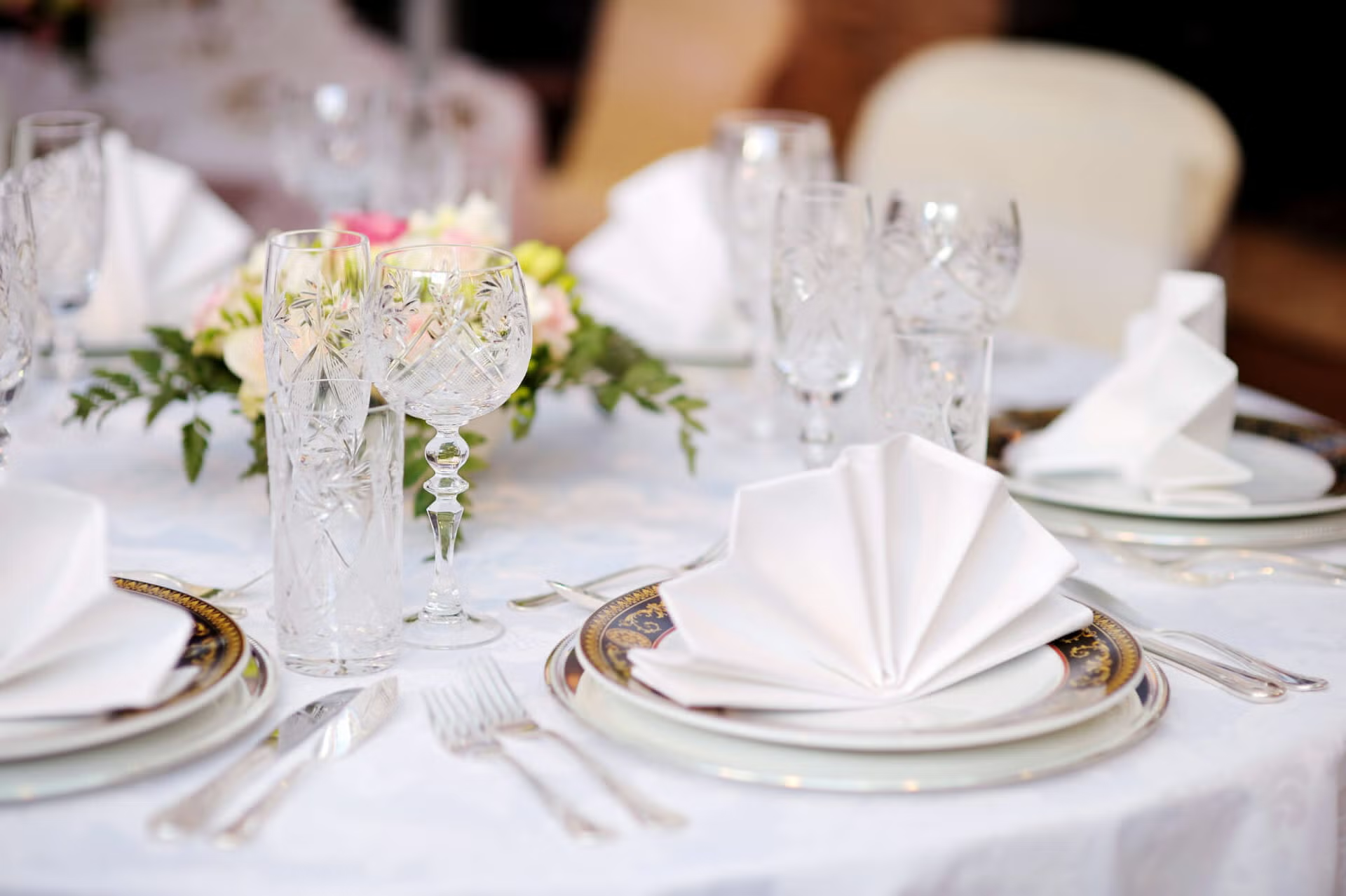
October marks the start of the entertaining season. Nothing makes entertaining easier than having all your tablecloths, table runners and cloth napkins cleaned and ready for use.  Knowing how to clean table linens and store them correctly is the key.

Washing

Start by knowing exactly what material your table linens are. Fifty years ago you could assume your table cloth was either linen or cotton but today a variety of other materials are used. Check to see if there is a care label anywhere on the table cloth and follow it exactly. If there are no care instructions, then just place it in cool water and hand wash it with a gentle old fashioned laundry soap. Rinse it thoroughly and do not use a fabric softener, as it will discolor the fabric in storage.  Let it hang dry and press with a cool iron.

Stain removal

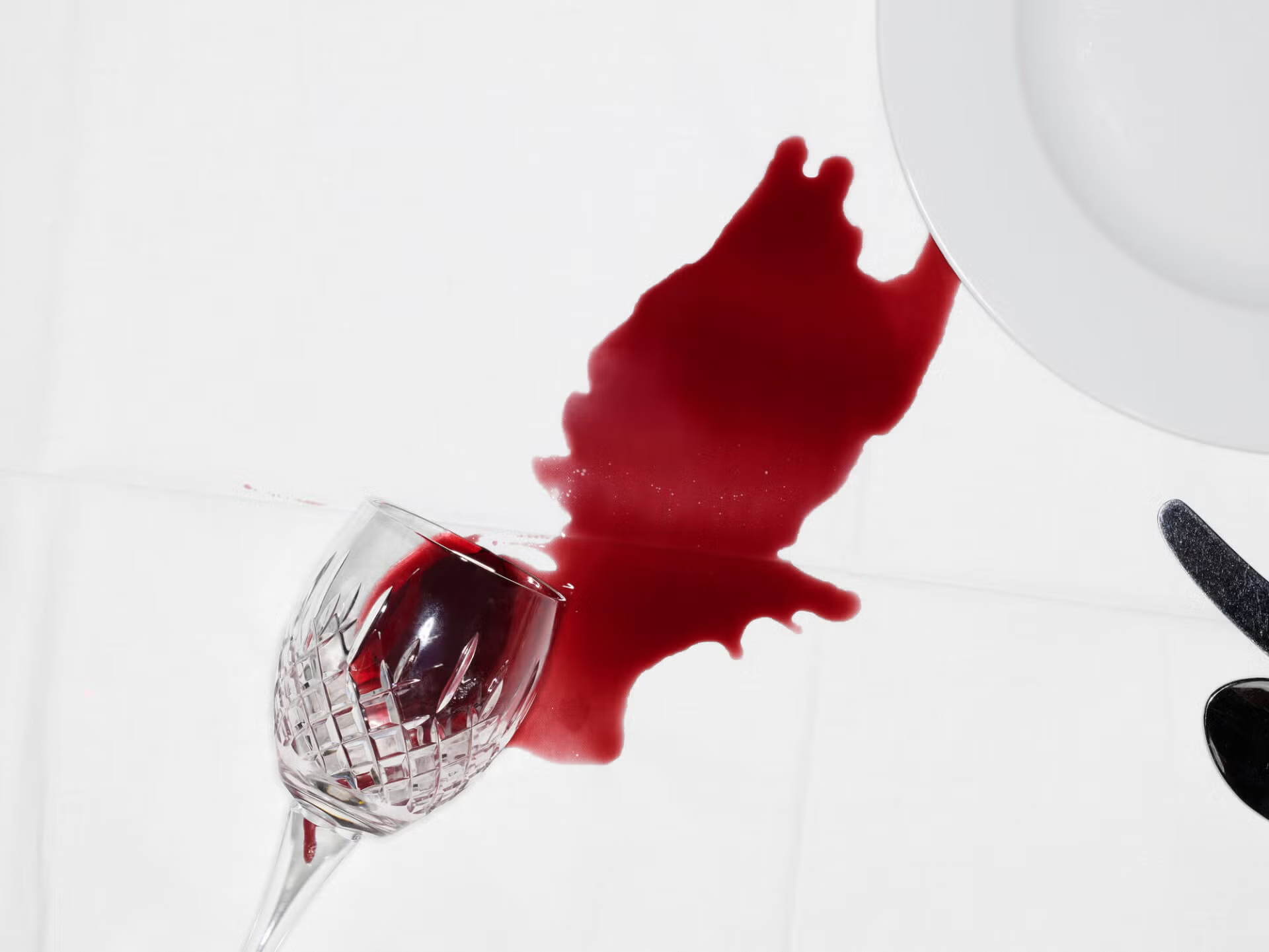
Knowledge is power when trying to remove a stain. There are three major stains that occur on a table cloth or cloth napkins. The first is red wine. Wine tends to drip down the edge of the bottle or glass and leave a ring on the table cloth. This stain can easily be removed with hydrogen peroxide. Treat the stain as soon as possible. You can even dab the area with the hydrogen peroxide while it’s still on your table. The hydrogen peroxide will start to work and fade the stain. Place the tablecloth in a cool soaking bucket and add more hydrogen peroxide onto the stained area. Leave it overnight. Spot wash the area with a gentle laundry soap and keep working at the stain until it disappears. Place the tablecloth in the washer with a gentle laundry soap on a cool water setting. Use a permanent press setting if it’s available. After the rinse cycle, remove the tablecloth and let it air dry. If the stain persists, repeat the entire process. Patience will win when tackling a red wine stain.

Another typical stain on a tablecloth is greasy oil. The stain is tricky, and needs to be addressed before you put the tablecloth into the wash. Pre-treat the oily spot with rubbing alcohol. Let it sit for 15 minutes then go over the spot with a pure bar soap. Do not use a colored deodorant soap for this job.  The rubbing alcohol will break down the oil and the soap will surround it and pull it out when you rinse the fabric.  Place the treated table cloth into the washer and wash on a cool water setting. Let the tablecloth air dry and check the spots. As long as the table cloth does not go in the dryer you can continue to treat the spots until they have disappeared.

The third spot that occurs on cloth napkins is lipstick.  Lipstick should be treated like the oil stains above but before and during your treatment you want to dab the area with a clean white cloth so as not to spread the lipstick into the surrounding area. Start by dabbing the stain with the cloth treated with rubbing alcohol. Continue to dab it until you don’t see any of the color coming out of the fabric. Then pour the alcohol on the spot and let it sit for 15 minutes. The alcohol will break down the oil. Before rubbing the bar of soap over the stain, dab the area again to see if there’s any more color coming from the fabric. If you get more lipstick on the clean white cloth, repeat treating the area with the rubbing alcohol. Once the white cloth is no longer pulling color from the cloth you can proceed by rubbing the bar soap of the area and putting the napkin into the washer.  Make sure to check that the stain is totally gone before putting the napkin in the dryer.

Overall yellowing

If you have an heirloom tablecloth that is starting to yellow or fade, add some oxygen bleach to the wash cycle to brighten the colors and remove the dingy look.  Remember to avoid fabric softeners in the rinse cycle as they can affect the coloring of the table cloth.

Ironing

It's much easier to iron a damp tablecloth is much easier than a dry one. Plus, it gives your table cloth a nice crisp look. Remove the tablecloth from the rinse cycle and let it air dry until it’s just damp. If any areas get too dry, spritz them with plain tap water in a spray bottle. If you're feeling nostalgic, they still make the laundry sprinkler head you can place in a glass bottle.

  • Check your iron’s plate and make sure it’s clean and free from burn marks. There are commercial cleaning products you can use or try toothpaste. Wipe it completely clean before you start your ironing.
  • Check the steam mechanism as well. You can avoid mineral spots by using distilled water. Test the steam system on an old t-shirt or rag before starting to iron your tablecloth.
  • Start ironing on the wrong side of the tablecloth first. Once that side is completely finished, turn the tablecloth over and iron the front side. Avoid starches if possible as they can leave a film on the iron and the fabric. If you must use them, spray the area you are ironing with a light mist. More is not better in this case.
  • The iron should be on a medium setting to start. If the wrinkles aren’t being totally ironed out, you can slowly turn up the heat of the iron. Do this in small steps so that you don’t damage the tablecloth with too much heat.
  • Leave the ironed tablecloth out until it’s completely cooled down. You want to fold it so that it will fit on a padded hanger. Then cover it with a dark garbage bag that is open on the bottom and hang it in a cool, dry closet. The dark bag will protect it from light damage.

Storage

Hang your tablecloths on a padded hanger and store them in a clean, dry closet. Avoid hanging them in a basement or attic as they will tend to absorb the smells from those areas. It’s easiest if you store them in the room where they will be used. Then you don’t have to search the entire house when you need them.

Cloth napkins and place mats should be stored in a drawer and wrapped in a light paper. This will keep them clean, fresh and free from dust.

Table runners should also be hung on a padded hanger. You can wrap them in a plastic dry cleaning bag or a trash bag to keep it free from dust.  Don’t seal the bag at the bottom. You want air to be able to flow around it.

A great way to store heirloom linens as well as napkins and place mats is to use a cardboard wrapping paper tube. Wrap the linens around the tube and store them in an airtight plastic container. Wrapping them around the tube will prevent wrinkles and fold marks. You can use a soft piece of ribbon or a rubber band to hold them in place.

It's so nice to be able to share a holiday meal with family and friends. And with beautifully clean, fresh table linens, the meal will seem even more special.

For more green cleaning tips, visit greencleaningcoach.com

Post-holiday cleanup: LATER is NOW

holiday-clean-up

Oosouji is the Japanese tradition of cleaning up and getting ready for the new year.  When translated it means the “big clean”.  The Japanese actually spend their New Year’s Eve cleaning their home to get it ready for the incoming new year. (These are people after my own heart.)

Let’s do an American version of oosouji for our homes.  Nothing feels better than getting a fresh start into the new year.

Deal with your presents

The holidays are over so it’s time to put your presents where they belong. If you got something you really didn’t need or want, take it back and return it for something you really do need. There’s no point in keeping something you don’t want.

Holiday cards

Go through your holiday cards and create a spreadsheet so you can keep a record about who sent you a card and their addresses. Don’t bother with an address book as it will just create clutter. Instead keep a digital copy you can access it from your computer or phone.

Back to the guest room

In our 20-day countdown to clean we started with the guest bedroom, getting it clean and ready for our guests.  Now time to start there again and clean it really well. Remove and launder the sheets so they are lovely and fresh. Putting the pillows in the dryer on a high heat will disinfect them. Also disinfect areas that could contain germs like light switches and door knobs.  Your next guests will appreciate your thoughtfulness.

Christmas ornament storage box

Organize your Christmas ornaments

Taking down the tree needs to be done with care because throwing all the ornaments into a box will just create a terrible mess. Instead, remove any wire ornament hangers and store them in a zip lock bag. Separate the breakable ornaments, pack them with tissue paper and store them in specialty ornament boxes.  Wrap the lights around a piece of cardboard or the cardboard tube from an empty paper towel or wrapping paper roll.  Then seal everything in an airtight container with a clear label.

Clean out the refrigerator

It’s time to deal with all those party leftovers in the frig, so grab the garbage can and start tossing.  Take time to check expiration dates on bottles and condiments too.  Wipe the shelves with warm soapy water and a microfiber cloth. Rinse them with hot water and start restocking.

Spot clean your spots

In the busyness of the holidays, things get spilled and left to be dealt with later. Later is NOW.  You can spot clean carpets and fabric furniture with some club soda and a microfiber cloth.  Sprinkle a few drops onto the microfiber and work the club soda into the spot. Let the area air dry and repeat the process if any of the stain remains.

holiday-clean-up-dishes

Check your china and crystal for chips and cracks

Before you put your china and crystal away, make sure you check the rims and edges for chips and cracks.  You don’t want to discover at your next event that some of your beautiful crystal was chipped during the holidays. You can try filing a small chip down by yourself with a specialized tool or even a nail file. There are a number of professional companies that will grind the entire rim so that the chip is unnoticeable.  If it’s a quality piece, sending it away is definitely worth the cost.

Launder the linens

All your linens need to be check for spots, laundered and ironed so they are ready for your next event.  The usual spots you will find on linen napkins are red wine and lipstick.  Lipstick can be treated with rubbing alcohol and red wine will disappear with hydrogen peroxide. Treat the napkins before placing them in the laundry. Check them before you place them in the dryer – if any stains remain, re-treat and re-launder.  Do NOT dry them until you know the stain is totally gone.

Holiday Stain Removal Primer

holiday-stain-primer

Along with the season's cheer come some nasty holiday stains.  Whether it’s a tiny spill on a guest’s new dress or an oily mess on your heirloom table cloth, having the basics at hand will help you get through the holiday stain season. Read this now and add any stain removal items on your last grocery list before the holidays.

gravy-stain

Gravy

When gravy spills on a tablecloth, use a touch of corn starch to absorb the moisture.  The corn starch will get thick and will lift off with a spatula.  Since gravy is oil based, pre-treat the stain with rubbing alcohol or vodka. Don’t dump the alcohol on the stained area as that will just make it bleed into the surrounding fabric. Instead, put some alcohol in a spray bottle and lightly mist the area. Then dab it with a clean white cloth. Continue that process until the cloth comes away clean.  Keep the area moist until you are ready to put it in the washer. Use a simple bar soap, like Ivory, and rub the soap into the stain. Then place the table cloth in the washer. Once it’s completed the cycle, check the area to see if the stain is visible. If so, repeat the entire treatment with the alcohol and soap. Don't place the tablecloth into the dryer until you know the stain has been completely removed.

menorah-candle-wax

Candle wax

Even dripless candles can drip onto your favorite table cloth. But don’t worry, here’s an easy stain removal solution. After your guests have left, place the table cloth in the freezer to harden the wax.  Once the wax is frozen, remove the tablecloth and scrape off the wax with a dull knife. There will be a waxy residue left down inside the fabric. Using a clean face cloth and a hot iron, you are going to pull the excess wax out of the fabric. Place the cloth over the waxy area and heat it with the iron. Don’t remove the facecloth until it’s completely cool. Once the cloth is cool lift it up and the wax will be attached to the facecloth. Repeat this process a few more times until you feel the wax has been removed. Then treat the area with rubbing alcohol to remove the oily buildup. Rub the area with a simple bar soap and scrub with a stiff brush. Place the tablecloth in the washer with a grease cutting detergent. Check the stained area when it’s done and repeat the process if there are signs of the stain.  You can let the tablecloth air dry to see if the stain is totally removed.

chocolate-stain

Chocolate

Treat hard chocolate stains as if they were candle wax. Freeze to harden, then use a stiff brush or knife to remove as much as possible. Finally, treat it with rubbing alcohol and bar soap.  For chocolate syrup, dab off as much as you can with a clean dry cloth. Once the cloth comes off without any chocolate on it, pretreat the area with hydrogen peroxide.  Place the hydrogen peroxide on the cloth and continue to dab until the stain looks like it’s starting to break up. Let the hydrogen peroxide sit on the stain for a few minutes. Then use a bar soap and work it into the chocolate stain with a toothbrush.  Continue to hand wash and rinse until the stain is gone.

red-wine-stain

Red Wine

There are a few quick treatments to have on hand when entertaining, because you know someone is definitely going to spill some red wine.  Immediately after a spill, spray the stain with club soda and cover the area with salt. The salt will start to absorb the wine. Once the guests are gone brush off the salt and dab the area until the cloth comes away clean. Then treat the area with hydrogen peroxide. Be patient – it takes the hydrogen peroxide awhile to work, but you will see the stain disappear before your eyes.  Alternatively, soak the fabric in warm (not hot) water and hydrogen peroxide until the stain is gone. Air dry the item to make sure the stain is completely gone. Repeat this stain removal procedure until the stain is entirely gone.

Mystery stain

Suppose your friend has a spot on her new dress and isn’t sure what it could be.  In this case use a neutral treatment to prevent setting the stain. Put a spray nozzle in a bottle of club soda and lightly spray the area. Magically, the stain will be completely gone once the area is dry. This trick also works with mystery stains on your carpet. Just lightly mist the area and dab it with a clean cloth. Once it’s dry the stain will be gone.


Knowing these foolproof cleaning tips for removing stains, you’ll be able to truly mean it when you reassure the friend who spills her wine during the celebratory toast, “No problem.”

Preventing food-borne illness at home

Every year, 1 in 6 Americans get sick from food-borne illnesses. These illnesses, also called food poisoning, also send about 128,000 people to the hospital, resulting in about 3,000 deaths nationwide each year.

Bottom line ~ food-borne illness can be more serious than we think.

Causes of food poisoning are mostly microorganisms, like viruses or bacteria. And although many of these microorganisms cannot be seen, smelled, or tasted, they can cause an illness that ranges from mild to life-threatening.

Food-borne illnesses are mostly picked up in areas where food is prepared as well as eaten, such as restaurants, schools and even our homes. Food-borne illnesses can also be acquired from contaminated drinking water, and water found in swimming pools. Microorganisms can even be passed from person to person, which is why proper hand washing is extremely important!!!

Food-borne illnesses can have a variety of symptoms, but the most common symptoms are nausea, vomiting, abdominal cramps, and diarrhea. Always check with your doctor if you are experiencing any of these symptoms.

To keep your kitchen clean, and those pesky unwanted microorganisms at bay, follow these great tips:

Wash hands properly and often. If your hands are not clean, chances are you're spreading bacteria and virus germs all over your food, your utensils, the kitchen counter tops, and even your family!

To properly wash your hands, scrub your hands with soap and warm water for twenty seconds, making sure to get under the nails and in between the fingers.

When preparing to cook, pre-clean your work area with an all-purpose cleaner. THEN, spray disinfectant on the surface, letting the disinfectant soak for a few minutes. After about five minutes, wipe the surfaces with a microfiber cloth. (For cutting boards, use natural anti-microbials like lemon juice, white vinegar or tea tree oil.) It's very important that you clean the surface before disinfecting it.

After each use, wash all surfaces, including kitchen counter tops, cutting boards, and even utensils. Be sure to use warm to hot soapy water. Don’t forget to wipe down other surfaces and areas that have been touched in the kitchen, such as drink dispensers on the fridge door, light switches, spatulas, and all handles, controls and faucets.

Wash all fruits and vegetables, before and after peeling them.

Do your best to separate raw meat, eggs, seafood, and poultry from the rest of your foods in the fridge. When cooking or preparing meals, always use separate utensils, plates, and especially cutting boards for all uncooked produce and uncooked meat, seafood, eggs and poultry.

Learn to love your thermometer! When cooking foods, it is important to cook food to the proper temperature, and for the proper amount of time. This way, the food is heated up enough to kill the harmful viruses and bacteria that could potentially cause illness. Use a food thermometer be sure when food has reached its safe minimum cooking temperature. For example, when cooking, all poultry should be cooked to a temperature of 165 degrees Fahrenheit, and 160 degrees Fahrenheit for ground meats. Microwave foods thoroughly to 165 degrees Fahrenheit.

At meal times, when food is being served and eaten, keep the food hot, at about 140 degrees Fahrenheit or greater.

After meals, refrigerate leftover food quickly. Illness-causing bacteria and viruses can grow in many foods within two hours unless you refrigerate them. During the hot summer weather, it only takes one hour for illness-causing bacteria and viruses to grow in foods.

Make sure you marinate or thaw foods in the fridge and not in the kitchen sink or on the kitchen counter.

Refrigerate all perishable products as soon as possible after grocery shopping. Learn the “two-hour rule,” which states that perishable foods should not be left at room temperature longer than two hours. Harmful bacteria have the tendency to multiply in the danger zone, which is between 40 and 140 degrees Fahrenheit. When temperatures are above 90° F, as they often are in cars that have been parked in the sun, modify that rule to one hour.

If you are traveling over one hour with groceries in your car, use an ice chest or cooler to keep frozen and perishable foods cold.

Where the weather is warm and the air conditioner is being used in the car, keep your groceries in the passenger compartment, not the trunk.

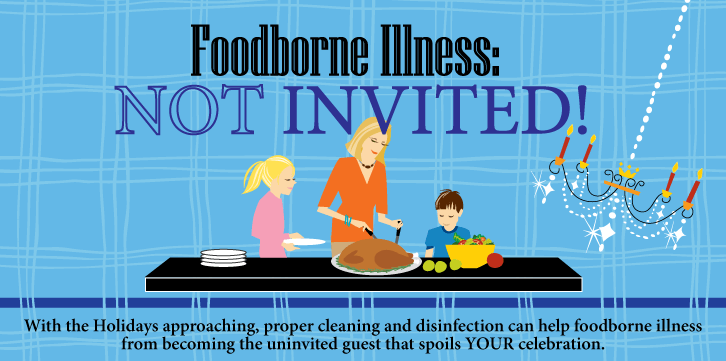
With the holidays approaching, proper cleaning and disinfection can help food-borne illness from becoming the uninvited guest that spoils your celebration! Educating yourself on how to properly safeguard your home and family against food-borne illnesses is one of the best things you can do to prevent any food-borne illness from taking over!

Show this blog and infographic to your family - where food-borne illness is concerned, knowledge is power!

food-borne-illness


Holiday Cleaning Hacks

During the holiday season nothing stresses people out more than cleaning up for guests. Short on time? Use these holiday cleaning “hacks” to get your home ready in a jiffy.

Only clean what’s dirty – As pros we are programmed for thoroughness but with a jiffy clean we are intentionally finding ways to cut corners. When you're in a  hurry, why clean things that aren’t dirty? Instead, spot clean the areas that you can see are dirty like the handles on refrigerators and microwaves. Look around and then clean the areas that look like they need attention.

Use a “tool belt” – You would never see a carpenter going up and down a ladder every time he needed a nail.  Instead he carries everything he needs in a tool belt so he can work more efficiently.  You can use the same system to make your cleaning easier. Gather all your cleaning products, cloths, brushes and other tools you’ll need and place them in a bucket so you can take them from room to room. Or you can find a comfortable apron with pockets and loops so your bottles and rags will be right where you need them.

cleaning-supplies-bucket


Use your vacuum instead of a dry mop – Dry mops do a great job of lifting dirt, but you still have to use a dusting broom and a dustpan to get the dirt off the floor. Remove this step by just using a canister style vacuum with a dusting brush attachment. You’ll be cleaning the same area but removing the step of filling and emptying the dust pan.

Use a feather duster – Instead of polishing your furniture with a polishing spray and cloth, switch to a high quality ostrich feather duster. You can dust every flat surface without moving a thing. A genuine ostrich feather duster will hold onto the dust until you shake it out. Can’t find one? Try a microfiber “feather” duster instead.

feather-duster

Use your appliances – Don’t waste time cleaning something when you can let the dishwasher do the work for you. You can use it to clean items on your bathroom vanity or even the filter over your stove. Your dishwasher can be a very valuable cleaning tool.

Only clean what your guests will see – If you only have a small amount of time to clean, focus only on the areas a guest might see. Leave the upstairs bedrooms for another time. Spend your time on the entry way, hallway, kitchen and the room where you might ask your guests to sit. As far as the other rooms and the upstairs - keep the doors closed. Guests usually won’t open a closed door.

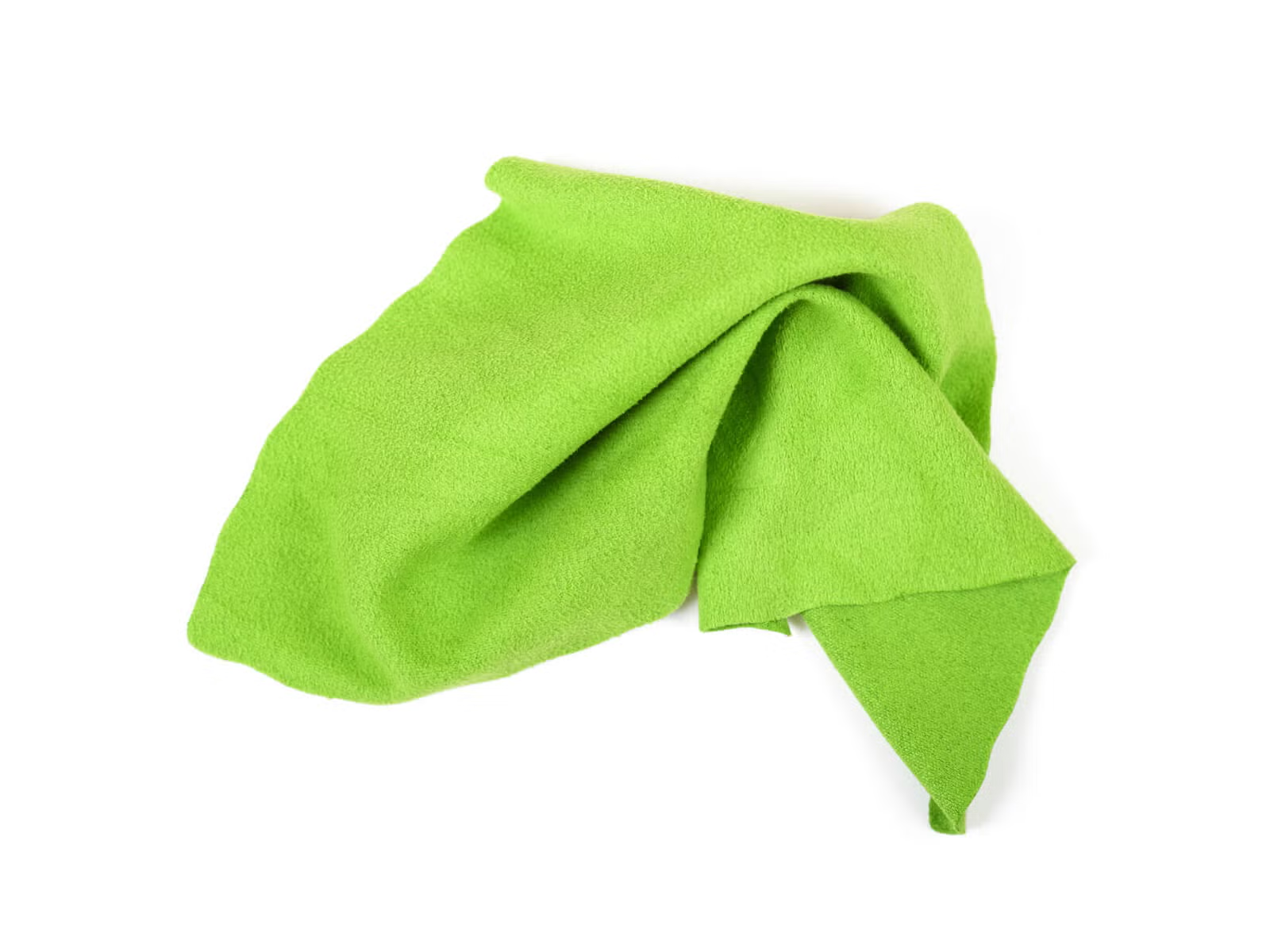
Clean your bathroom in minutes – Start by NOT cleaning the shower.  Use a damp, fine woven microfiber cloth and wipe all the surfaces.  Start with the mirrors, then move down to the vanity area and save the toilet for last.  You don’t even have to dry the areas once you’ve wiped them with a microfiber cloth. They will look perfect when you’re done.

microfiber-cloth

Just swish the toilet bowl– Don’t bother with toilet bowl cleaner when you are quick cleaning. Use the toilet brush and give the inside of the toilet a quick swish.  Then flush and move on.

Use your dishwasher to hide dirty dishes – If you don’t have a dishwasher then you can place a large tub under the sink and place the dirty dishes there until you have time to wash them.

Steam clean your microwave – Place a microwavable bowl filled with water into the microwave. Run it on high for 3-4 minutes. Once it’s done, carefully remove the bowl and wipe the sides of the microwave with a microfiber cloth. Any stuck on food should wipe right off.

Lint rollers and paint brushes – Need to get into tight areas quickly? Keep a lint roller and paintbrush in your tool apron. Lint rollers are great for pet hair on furniture as well as dusting lamp shades. Paint brushes are wonderful for removing dust and dirt tucked into hard to reach areas.

dust-lamp-shade-with-paint-brush

Use natural fragrances to cover up your cleaning problems – Sometimes you just don’t have the time to clean but you can “hide” your dirt behind a nice aroma. But don't use store-bought air fresheners - synthetic fragrances usually contain toxins you don't want in your home.  Instead, make natural fragrances in a jiffy using a few drops of your favorite essential oils mixed into a bottle of witch hazel and spray entryways and door jambs so your guests will smell the lovely fragrance and overlook your cleaning shortcomings.

But let's face it. Some days there is no gas in the tank for anything extra. If you’ve run out of time or motivation to even do the smallest cleanup, just turn down the lights and turn on a few battery operated candles. You’ll be surprised how nice and clean a room looks with minimal lighting and a few candles.

If you have more time for truly sparkling results, check out the new Holiday Clean Up: 20-Day Challenge I created with Maid Brigade. It's a step-by-step plan to deep clean the three most visible rooms during entertaining, with only one or two tasks per day. Keep it on your phone or tablet for a handy reference during the holidays.