
Tag: Leslie Reichert

Cleaning your house after the Holiday Season

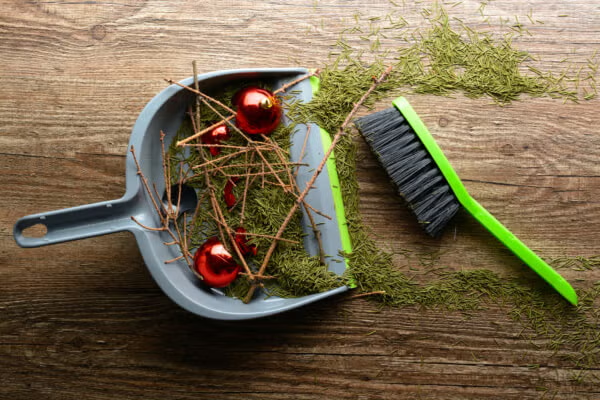
What’s your official day to do your holiday cleanup? I’m sure your answer really depends on when you put your decorations up.  A good rule of thumb is January 6, which is known as “little Christmas.” Personally, I’m feeling pretty good if I get my decorations down by Valentine’s Day! It really doesn’t matter what day you choose as long as you take them down and put them away so they are organized for next year. Once the decorations are down and stored, we can then focus on the cleaning.

Organizing your Christmas decorations

  • You can choose to put your decorations away by room or by item. I like to store all my window and outside lights together as they are the first I’ll want to get out next year. Store all the decorations for each tree together so that you know which decorations go with which tree. Use clear storage tubs so you can see what’s inside.
  • Labeling is very important. Make sure you list everything inside each storage tub so you don’t have to dig through everything again the following year.
  • Make a fun date with yourself (and your family) to take down the decorations. Set aside a specific block of time so you keep focused. Trying to take down decorations in between cooking dinner and folding laundry probably won’t work - you’ll end up frustrated next Christmas when you realize nothing was put away correctly.
Stains and cleanup problems

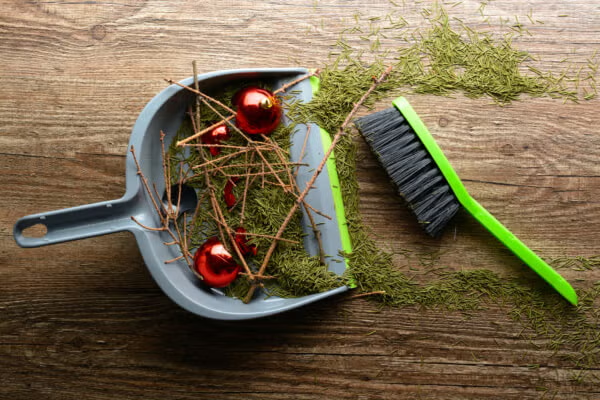
Christmas has its own set of cleaning problems. Below are some tricks on how to deal with them.

Pine pitch - If you had a real Christmas tree you may have some sticky pine pitch on your carpeting or hardwood floors. Once evergreen trees come inside a home and warm up, the sap inside the tree branches drips out of the trimmed limbs. This is called pine pitch and it can be very hard to remove. To remove it, you’ll want to start by rubbing the area with an ice cube to freeze the sap. Scrape as much of the sap off of the flooring as you can, then use a clean cloth dampened with rubbing alcohol to dab the area until the pitch is removed from the floor.

Water stains - You may have some water stains from the tree stand overflowing. This stain can be removed by using vinegar. Pour vinegar into a spray bottle and liberally spray the entire area. Let it sit without scrubbing. After 30 minutes dab the area with a paper towel and repeat the process until the stain disappears.

Table Linen stains - Don’t put your table linens away until you know they are completely clean and stain free. You can use rubbing alcohol on greasy stains and oxygen bleach for food spots. Once the linens are clean and dry, press them and then wrap them in tissue paper and store them in an airtight container.

Window sill spots – If you have discovered the trick of using white athletic tape to hold your Christmas window lights in place you also are dealing with the adhesive residue left when you remove it. An easy remedy is to scrape off as much of the adhesive as you can with a putty knife. Dampen the area with rubbing alcohol, which works to break down the adhesive. Place a drop of dish detergent over the area and work it into the residue. Wipe the window sill with warm water and a microfiber cloth.

Floors – Your floors will have taken a beating over the holidays between decorations, guests and all the cooking and baking. Plan to give each hard floor a good scrubbing on your hands and knees if you can. Start by moving all your furniture away from the walls and vacuuming the floor and the wood trim around the room. Use a bucket of hot water with a drop of dish soap and use a microfiber cloth to clean your way around the room. Once the outside of the room is dry, move your furniture from the middle of the room to the edges and wash the middle area. Once the floor is completely dry, you can replace area rugs and reset the furniture.

Guest room sheets – Strip all the beds and wash them in hot water. Add a touch of oxygen bleach to clean and disinfect them. Dry them on high heat to kill dust mites and other allergens. While the sheets are in the dryer, use an upholstery tool to vacuum the mattress and the sides of the box springs.  Wipe down the bed frame and remake the bed as soon as the sheets are dry. A simple trick to remove wrinkles in the sheets is to spray them with witch hazel after they are on the bed. You can add a few drops of an essential oil to create a fragrant linen spray.
Microfiber Cloth Cleaning Hacks

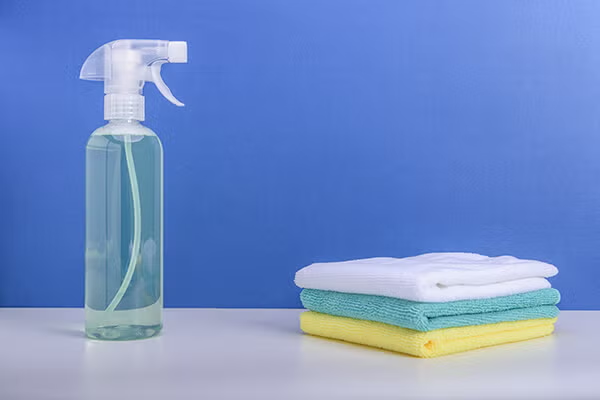
Microfiber was developed in Japan during the 70’s for swimwear. Ten years later, European scientists found that it was the perfect fabric for cleaning due to its absorbency.  By the early 2000s, the microfiber industry had exploded.  Even though microfiber has been around for decades, there are many who have yet to try cleaning with microfiber tools. Take a look at all you can do with microfiber – it’s worth the investment!

Perfect windows – There are many different types of microfiber cleaning cloths. For windows, use a fine woven microfiber. It almost looks silky.  The microfibers are very small and will leave windows perfectly clean. Dunk the cloth into hot water and wring it out well so it’s damp. Wipe it over the glass and then watch as it picks up dirt then dries perfectly without streaks or smears. Or spray the glass with water and use a dry microfiber cloth as if it’s a paper towel. Dry the glass completely and it will be free of streaks, smears and lint.

Save on paper towels – Use microfiber cloths in place of paper towels when cleaning. Microfiber is more absorbent than paper towels and better for the environment since they are reusable. Be sure to launder microfiber cloths, towels and mop heads with only other microfiber materials.

Chemical free dusting – Most spray dusting polishes leave layers of silicone on furniture. Instead, use a dry microfiber cloth to dust your furniture. Microfiber has tiny fibers that hold onto dust. It will hold onto dust and dirt particles until laundered which makes dusting much faster.

Preventing cross-contamination – Hospitals have used microfiber mops for years to prevent cross-contamination. You can use in your home for the same reason! Microfiber mops have a cover that attaches with Velcro onto the end of the mop. Once it’s dirty it can be removed and laundered. It’s like using a brand-new mop every time you clean.  No more smelly, moldy mops!

Large outdoor windows – Homeowners may struggle keeping large windows clean from salt, pollen and other outdoor elements. A damp microfiber cloth wiped over large windows will remove any salt or pollen and leave the windows looking crystal-clear.

Dusting walls – Instead of washing the walls in your home, try dusting them instead. Use a microfiber mop with a dry mop head and dust your walls in minutes. The microfiber will pick up the dust without dealing with a bucket and rag.

Ceiling fans – Have you looked at the paddles of your ceiling fan lately? Dust them quickly with a large-looped microfiber cloth. Using the dry cloth, wipe it gently over the fan paddles to pick up and remove dust. This task will takes minutes and leaves the fan dust free.

Perfect granite – If you have dark granite counter tops, you may struggle with streaks and smears from cleaning. Try using a microfiber cloth designed for glass.  Dampen the cloth and wipe over the granite to leave it looking showroom perfect!

To read more from Leslie about cleaning with microfiber, check out this blog:

https://maidbrigade.com/blog/microfiber-for-cleaning/

A Connected Home

Artificial intelligence is an amazing thing. We prefer to ask Siri questions instead of others, Alexa knows our favorite songs and now we have introduced AI into our homes in the form of “Smart Thermostats.” Many of these different smart home devices can learn and respond to temperature preferences with the idea that using a smart thermostat will save money and energy. A more recognizable thermostat, the Nest claims to have saved over 22 billion kilowatt hours of energy since 2011 and some energy companies have given smart thermostats to their customers because of the ability to save more energy than traditional, manual thermostats.

How it works

Smart thermostats are connected via wireless internet in order for users and customers to monitor their energy and temperature and make adjustments through an app. These devices record the patterns and preferences of your home within a few days and program themselves to repeat the settings. Smart thermostats will also recognize when the house is empty and will adjust the temperature to an energy saving level and will record when the house becomes occupied again to return the temperature to normal.


Is the smart thermostat right for you?

  • If you are already considering a smart thermostats, check what system is compatible with the device. Most smart thermostats work with either Google or Amazon.
  • They can save customers about 10-12% on energy bills each year. Some argue that a traditional, manual thermostat is a better choice if you’re staying in a home less than 2 years.
  • Smart thermostats also have the ability to notify customers of needed maintenance or repairs. Notifications are customizable for each issue. This can potentially save on expensive repair bills should the system fail or have a weather related emergency.
  • If you’re considering installing a Smart Home System, make sure the brand will work with your current system and needs.

To read more about saving energy, check out these blogs:

https://maidbrigade.com/blog/save-money-by-using-less-energy
https://maidbrigade.com/blog/green-your-home-by-using-less-energy

Celebrate Our Earth This April

This year, we celebrate the 48th Earth day across the world. In 1969, Senator Gaylord Nelson decided to create an official day to celebrate the Earth and raise awareness of the environmental concerns he had after the devastating oil spill in Santa Barbara that year. The first Earth Day was celebrated on April 22, 1970. An incredible 20 million people attended celebrations and festivals around the country. It was a national event that was held to demonstrate support for the environment. The stage was set by Rachel Carson’s Silent Spring Book which raised public awareness and a concern for all living organisms. The book was sold in 23 countries and began a worldwide movement. It shared Carson’s compassion for the future of the planet and all living things on it. Since then, Earth Day is recognized every year across the world. At Maid Brigade, we’re proud to keep our earth healthy by using green cleaning products that are safe for the environment.

In 1990, a campaign began which would make Earth Day a worldwide event. This brought the environmental issues to a world stage that included 122 countries and over 200 million people. EarthDay.org states, "Earth Day is the largest secular observance in the world, celebrated by more than a billion people every year, and a day of action that changes human behavior and provokes policy changes.”

Earth Day will be celebrating its 50th anniversary in 2020.  There are ways you can celebrate this special day in your own home.

Here are some things you can do:

  • Plant a tree in your backyard
  • Check the air pressure in your tires and make sure they are at the right levels for the best gas mileage.
  • Donate your clothing instead of throwing them out.
  • Try growing your own organic garden. You can start with an organic herb garden.
  • Wash your laundry in cold water and dry them on a line.
  • Lower the temperature on your hot water heater by 5 degrees.
  • Buy energy efficient light bulbs for your house.
  • Have an energy audit done in your home. This audit can be free.
  • Invest in a reusable coffee cup.
  • Use earth-friendly cleaning products.
  • Switch your bills to e-bills so you use less paper.
  • Check your faucets for leaks.

Be on the lookout for more of our earth-friendly tips this month!

For more green cleaning and green living information, check out Leslie’s website.


At home allergy treatments

Dealing with dust allergies is a battle that affects many people, especially during the spring. To win the battle you need strategies that will help reduce the triggers in your home. Creating safe spaces where your lungs can “rest” is the key. Allergists refer to our immune system as a bucket that fills up over time. When our buckets become full we deal with allergic reactions. Each of us have different sized buckets, but we all need places in our homes where we can let our immune systems rest from dust, pollutants and irritants. Here are some things you can do in your home to create a clean and safe environment.

Cleaning more often – A simple, inexpensive step is to dust and vacuum more often. People in Europe use their vacuum to do most of their dusting. They use the dusting brush and go over all the wood and fabric surfaces with the vacuum. This makes cleaning quick and easy as well as very efficient. The vacuum captures and holds the dust. Wiping the dust with a dry cloth can put the allergens back into the air which defeats the purpose of cleaning.

Plants – Indoor plants are not only beautiful to look at, they also help clean the air we breathe in our homes. In fact, NASA calls plants “nature’s life support system”. By adding a potted plant like a Peace Lilly or Spider Plant to your home you will be naturally removing allergic toxins in your air. Place plants in the most used areas of your home, such as the living room and bedrooms..

Air purifiers – Our indoor air has been shown to be  much more polluted than the air we breathe outdoors. We spend 90 percent of our time indoors, so it’s important that we clean it constantly. During most of the year we keep our windows closed to keep out the cold or heat. With limited air exchange we end up breathing the same air over and over again. Using a HEPA rated air purifier throughout the house will remove the allergens and keep pollutants to a minimum.

Mattress and pillow covers – We spend more than a third of our lives sleeping so an important place to focus on air quality is in the bedroom. Starting with your bed, find encasement covers for your pillows and mattresses to keep dust mite allergens away from your body. For some allergy sufferers, investing in hypoallergenic pillows and bedspreads may be the best solution. Down pillows are soft and very comfortable but can trigger allergies while you are sleeping.  Wash pillows and blankets often in very hot water and dry on a hot setting to kill dust mites and remove their droppings

Remove stuffed animals and draperies – Dust accumulates in fabrics. Since we don’t dust or wash our draperies every time we clean, they tend to collect a tremendous amount of dust which can be a trigger for those suffering from dust allergies. Stuffed animals also collect dust in a child’s room and can trigger an allergic or asthmatic reaction. The safest alternative is to completely remove drapes, curtains and stuffed animals - especially in the bedroom. Instead, use hard window treatments such as window blinds and shutters. If your child has trouble parting with their favorite stuffed animal, place it in a pillow case once a week and wash it in hot water and dry on a hot setting.

Considering hard flooring vs carpeting – Carpeting, like draperies, are dust magnets. Even the best vacuum can’t remove all the dust and dander from a carpet. Allergist recommend removing all the carpeting in a home and replacing it with hard wood flooring.  Hard floors are much easier to keep clean and the dust can be kept to a minimum. However, removing carpet throughout a home and replacing with hardwoods can get expensive. For a more economical solution, we recommend a professional carpet cleaning to reach the harmful dust mites hidden below the surface.

HEPA rated vacuum – Make sure you have a high-quality vacuum that has a HEPA rated filtering system. There are many different vacuums advertising they are good at removing allergens, but make sure you research the brand before making a purchase. There are only a few vacuums that are rated HEPA. Remember that you want to look for a vacuum that is rated HEPA not a vacuum that uses HEPA rated filters. A vacuum rated HEPA cleans the surfaces it touches as well as the surrounding air you breathe.

Dust mite sprays on furniture – Some people ask if dust mite removal sprays work and the answer is yes, but you need to be careful should someone in your home also have a chemical sensitivity. Spraying your fabric furniture with these sprays will kill the dust mites living in them, but they also add another type of pollutant to your air.

Keep humidity low – Dust mites like dark, moist environments so keeping the humidity low in your home is a great way to combat dust mites naturally. Use a dehumidifier all year round to keep the moisture in the air below 50%.

Keep pets out of the bedrooms – We all love our pets but their dander can be a trigger for someone dealing with allergies or asthma. Keep pets out of the sleeping area of someone dealing with allergies.

For more green cleaning and green living information, check out Leslie’s website.

For other allergy and asthma health tips, read these blogs:

https://maidbrigade.com/blog/support-your-immune-system
https://maidbrigade.com/blog/5-tips-to-get-you-through-an-earlier-allergy-season

How to treat head lice

A case of lice does not reflect a lack of cleanliness or personal hygiene as some would like to think.  Head lice cause itching and discomfort but are not found to transfer dangerous diseases in the United States like lice in other countries. Here are answers to the most common questions about lice:

How can I get infected with lice?

Head lice can be transferred by sharing things like brushes, combs and even hats.  They can transfer from direct head-to-head contact and lice can transfer from pillows and sheets too. But there is no evidence that lice are transferred from pets to humans.

Do head lice jump from person to person?

Head lice don’t have the body type to jump.  They are transferred only by direct contact.

How long do lice live?

Lice can only live 24 hours without a host, but with a host they can live up to 30 days.  Lice reside in pillows and sheets and return to the host for feeding.  Lice, like bed bugs, bite their hosts for blood. Their bites are annoying and itchy but are not dangerous unless they get scratched and infected.

What’s the best way to rid lice from hair?

Some feel that they should treat for lice even when they only suspect that there is an infestation.  There are no shampoos that totally kill head lice and their nits so manual removal is the only solution. Wash hair with a specialized, over-the-counter shampoo, rinse completely and then go through hair with a nit comb.  Remember that the shampoo is extremely strong and toxic so overuse is not recommended.

Two different types of louse combs used when treat of head lice.

How do I remove lice from my home?

Removing lice from your home is an extremely labor intensive project.  All fabric furniture must be completely vacuumed. Pillows and stuffed animals should be put into a garbage bag for 10 days to make sure that any nits that hatch in that time period die, separated froma host. Other items can be put into the dryer for 30 minutes on a high heat.  All sheets, pillows and comforters should be washed and dried on a hot setting. The entire house should be cleaned before treating the infected person.

How do I know if I really have head lice?

Persistent itching can be indication that an infestation exists. Professionals use a magnifying glass or a florescent light although some feel the florescent light highlights hair lint as well as nits and confuses the diagnosis.  Regardless, lice are normally visible with a magnifying glass.

For more green cleaning and green living information, check out Leslie's website.

Holiday stain guide

Holiday stains are like little presents no one intended to give you. But don’t stress, we’ve got a stain guide that will help you get through the holidays - stress and stain free. Download it free, then post it in your laundry room so it will be at your fingertips if there's a fumble.

download-holiday-stain-guide

Happy Holidays, from Maid Brigade!


This infographic was created in collaboration with Leslie Reichert, our DIY green cleaning expert. To read more from Leslie, visit greencleaningcoach.com.

How to deep clean the guest room

Preparing for holiday visitors forces us to address chores and projects we kept postponing when the weather was warmer and the days were longer. Even during this busy time of year, it's possible to get things checked off “the list” whether routine maintenance or improvement project. But it’s important to start early, so it can all happen before the big day your holiday guests arrive. Like the guest room. Deep cleaning the guest room ahead of time will relieve stress as you get closer to their arrival.

Deep cleaning the guest room may take a few hours but if you divide it into small 15 minute jobs, it that can be something that you can work on throughout the week. Find a timer or use a smart phone to keep track of how long you are cleaning.  My motto is:” I can do anything for fifteen minutes”.

Methodical deep cleaning will make the process go quickly and efficiently. This generally means to start at the ceiling and finishing with the floor, moving around the room clockwise, to make sure you cover every spot and cover it only once. Although there are some exceptions to this rule (see below).

Step 1: LIGHTS – Start with cleaning the lighting fixtures.  Remove the covers of ceiling and wall fixtures, taking ample safety precautions if using a step ladder. For light to medium dust, clean the fixture in the dishwasher. If the fixture has a thick coat of dust, fill up the sink with warm soapy water and give it a good scrub by hand. Ceiling fans can be easily cleaned with an old pillowcase. With the pillow case and a damp microfiber cloth, climb the step ladder, place the pillowcase over the dusty fan paddle and pull the dust off and into the pillowcase. Repeat this process on each of the paddles.

deep-clean-the-guest-room

Follow by dusting each blade with the microfiber cloth to make sure any remaining residue is gone. After you have safely descended the ladder, take the pillowcase outside, turn it inside out and shake out the dust. Launder the pillowcase with soiled cleaning cloths and store with clean cloths so it will always be handy.

Step 2: WALLS – Instead of washing the walls use a microfiber mop and dust them.  Use a microfiber mop cover and a spray bottle of water. My favorite microfiber mop is called a Duop Mop has a ball joint that easily clean large open areas with just a wipe. Place the dry microfiber mop cover on the mop and spritz it lightly with water (never spritz water or cleaner directly on your walls or you may permanently spot them). Start at the base of the wall and clean up to the ceiling (walls are the one area where you will clean bottom to top to prevent staining them). Then wipe the dry mop head over the ceiling to collect cobwebs and dust.

Step 3: WOODWORK – Use a damp microfiber cloth to wash woodwork and baseboards. Start with the tops of door jams and windows, follow with the trim around the windows, ledges and sills and finish with the baseboards and toe molding. Don’t worry about smearing the glass on the windows, you will clean windows in a latter step.

Step 4: WINDOW TREATMENTS – Remove drapes and place them in the dryer to remove dust. Don’t bother placing them in the washer.  If they have a thick layer of dust, put a damp towel in the dryer with the curtains. This will remove the dust and leave them wrinkle free.

ow-to-dust-window-blinds


Dust blinds by fulling closing them, wiping horizontally (with the blind slats) from top to bottom with a dampened microfiber cloth. Then, reverse the direction of the slats to the opposite fully closed position and completely dust this side in the same pattern.

dusting-blinds

Step 5: WINDOWS – Using a fine woven microfiber cloth and a bucket of hot water, clean the glass on the windows - inside and out. You want your windows to be crystal clear when your guests wake in the morning.

Step 6: BED LINENS – Strip the bed and place the bedspread, comforter and pillows in the dryer on a high heat. This will remove dust and also kill dust mites. This is a perfect solution for those guests that could have dust and dust mite allergies. Wash all the sheets using a fragrance free laundry soap. Your guests may be sensitive to fragrances, so using a simple soap to clean the sheets will let them have a peaceful night’s sleep.

Step 7: DUSTING – Dust all the furniture with a damp microfiber cloth. Move the furniture away from the walls and clean behind and underneath them. Using a crevice tool on the vacuum, remove built up dust in the tight spots where the carpet meets the wall.  Use the soft upholstery brush to clean the outside edges of hardwood floors.

Step 8: FLOORS – Vacuum carpets by starting in the farthest spot and gradually working your way out of the room. Use the vacuum’s pattern to make sure you have covered every inch of carpet. Hardwood floors can be cleaned with the Duop Mop. Start with a damp mop head and a spray bottle of a gentle hardwood floor cleaner. Use my “bucketless mopping” technique, spraying and mopping as you go, for fuss-free floors that look like glass.

Step 9: COMFORT BASICS – Help your guests feel at home by attending to basic needs. Like placing bottled water on their night stand.  Make sure the room has an alarm clock set to the current time. Add a luggage rack or ottoman so suitcase contents are most accessible. Leave a charging cube in a convenient outlet so guests can power devices overnight.

deep-clean-the-guest-room-for-holidays

Step 10: COMFORT EXTRAS – Purchase a few new magazines on subjects they find interesting and array them on the dresser. Place some fresh flowers and some hard candies on the dresser so guests will feel like they are staying in a 5-star hotel.

Smoke alarms: How to clean them, when to maintain them, where to install them

Smoke alarms: a How-to Guide

A fire fighter once told me, “The best way to survive a fire is to prevent it. If you can’t prevent it, you want to use early detection as your shield.”  Early detection means having smoke alarms properly installed throughout your home and maintaining them regularly. These small devices will save your life, but only if you keep them functioning properly.  Smoke alarms should be cleaned and maintained on a regular basis. The change to daylight standard time is one good time for this simple but important task.

How to clean your smoke detectors

First, remove the smoke alarm unit from the ceiling or wall. (Be sure to use a sturdy ladder, don’t climb higher than the ladder cautions, and if someone else cannot be home while you do this put your phone at the base of the ladder before you climb. Climb down and off the ladder before proceeding with the following steps.)

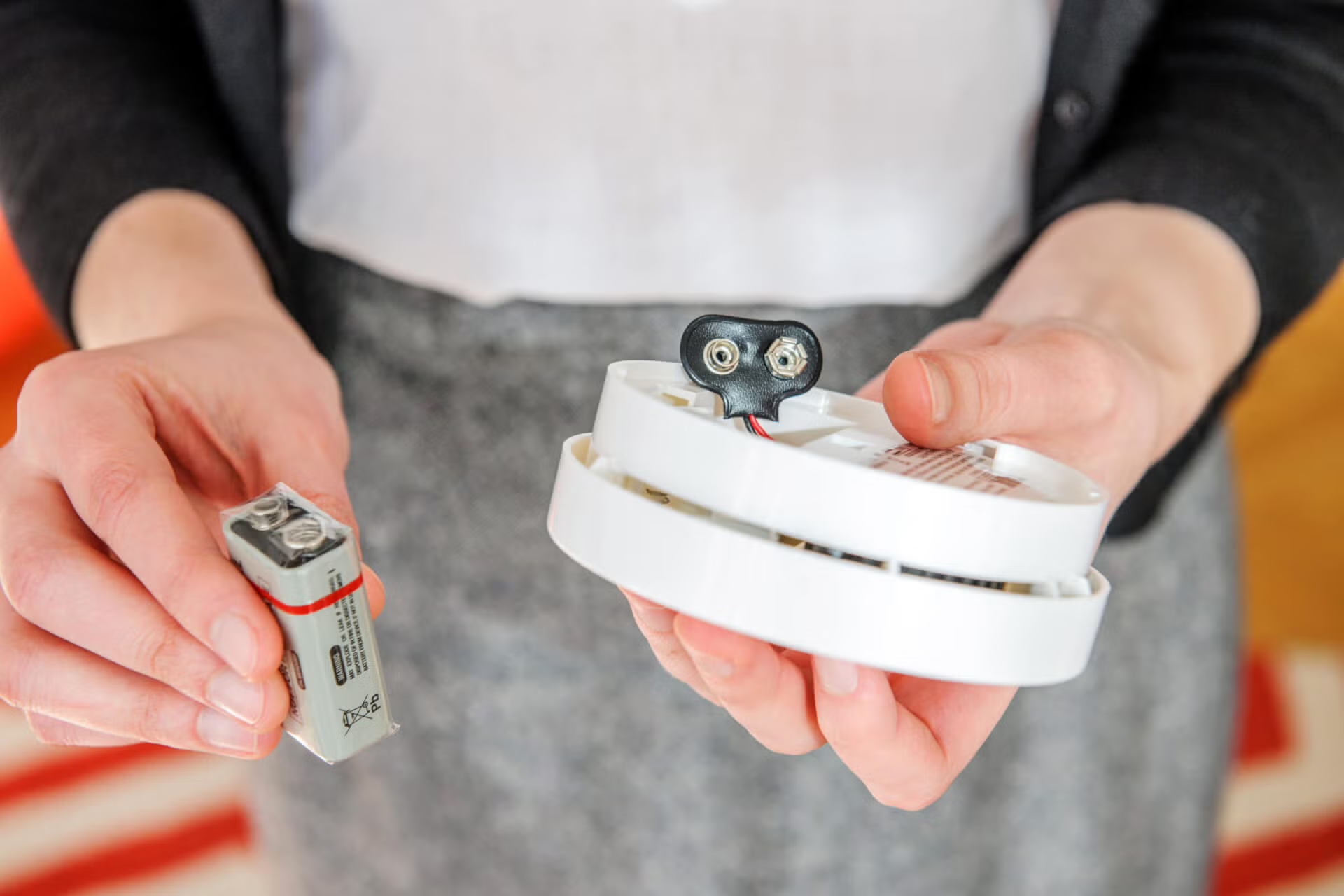
Dust the outside of the smoke detector with a dry microfiber cloth. Remove the battery and plan to dispose of it safely. Use a paint brush or your vacuum’s upholstery tool to clean the interior and the air vents of the unit. Be gentle in order to avoid causing damage to the circuit board. Compressed air works well too but be careful around electric components.

Connect a new battery securely, close the lid carefully, and test the unit. If all is well, replace the unit on the wall or ceiling, taking precaution for your safety. Repeat this process for every smoke detector in your home. Read the following pointers before starting this task:

  • Make sure to never submerge any part of the smoke detector in water
  • Don’t use any type of liquid cleaning chemicals
  • Wipe the entire outside with a microfiber cloth
  • Be sure the air vents are well cleaned for good air flow

Some other things to consider about taking care of your smoke alarms are...

When to replace smoke detector batteries

Most people don’t realize that the batteries should be replaced TWICE a year.   An easy way to keep on track with this is to time it with daylight savings time and daylight standard time. When you set your clocks back or forward, replace the smoke alarm batteries on the same day. So when we “fall back” to daylight standard time on the first Sunday of November (11/5/2017), change all smoke alarm batteries and clean and test each unit.

Testing your smoke alarm unit

Test the smoke detector once the new batteries are installed. Simply push the red button down until it starts to beep. It will continue to beep a few times and then reset itself. Once reset it’s ready to be returned to its mounting frame.

If testing a hard wired system that’s connected directed to the fire department or a security company, make sure to let them know you’re cleaning and testing the system. They will take you off line to prevent a false alarm. Call them back when you’re finished to be put to active status.

Chirping smoke alarm

If it chirps, follow these steps:

  • Remove the smoke alarm unit from the ceiling.
  • Remove the battery.
  • Hold the test button down for a few seconds to drain the smoke alarm of any power left in the system.
  • Hold the test button down for another 15 seconds which will reset the unit and clear out the reason for it chirping.
  • Clean it out with canned compressed air or your vacuum cleaner.

Location and lifespan of smoke detectors

Every bedroom should have a smoke alarm unit as well as the hallways outside of the bedrooms.  Common areas like living rooms and dens should all have smoke alarms.  Each stairway should also have one. And don’t forget the basement and the garage.  Follow the manufacturer's instructions for installation. All smoke alarm units should be replaced every ten years.

Some smoke detectors use lithium batteries which can last up to 10 years, but 9V and other battery types are still common. Be sure you know what your smoke alarms need and stock up next time you shop so you’ll be prepared to follow these steps when you change your clocks back to daylight standard time. Remember what the fireman said about early detection…


For more information from DIY green cleaning expert Leslie Reichert, visit greencleaningcoach.com

How to clean table linens

October marks the start of the entertaining season. Nothing makes entertaining easier than having all your tablecloths, table runners and cloth napkins cleaned and ready for use.  Knowing how to clean table linens and store them correctly is the key.

Washing

Start by knowing exactly what material your table linens are. Fifty years ago you could assume your table cloth was either linen or cotton but today a variety of other materials are used. Check to see if there is a care label anywhere on the table cloth and follow it exactly. If there are no care instructions, then just place it in cool water and hand wash it with a gentle old fashioned laundry soap. Rinse it thoroughly and do not use a fabric softener, as it will discolor the fabric in storage.  Let it hang dry and press with a cool iron.

Stain removal

Knowledge is power when trying to remove a stain. There are three major stains that occur on a table cloth or cloth napkins. The first is red wine. Wine tends to drip down the edge of the bottle or glass and leave a ring on the table cloth. This stain can easily be removed with hydrogen peroxide. Treat the stain as soon as possible. You can even dab the area with the hydrogen peroxide while it’s still on your table. The hydrogen peroxide will start to work and fade the stain. Place the tablecloth in a cool soaking bucket and add more hydrogen peroxide onto the stained area. Leave it overnight. Spot wash the area with a gentle laundry soap and keep working at the stain until it disappears. Place the tablecloth in the washer with a gentle laundry soap on a cool water setting. Use a permanent press setting if it’s available. After the rinse cycle, remove the tablecloth and let it air dry. If the stain persists, repeat the entire process. Patience will win when tackling a red wine stain.

Another typical stain on a tablecloth is greasy oil. The stain is tricky, and needs to be addressed before you put the tablecloth into the wash. Pre-treat the oily spot with rubbing alcohol. Let it sit for 15 minutes then go over the spot with a pure bar soap. Do not use a colored deodorant soap for this job.  The rubbing alcohol will break down the oil and the soap will surround it and pull it out when you rinse the fabric.  Place the treated table cloth into the washer and wash on a cool water setting. Let the tablecloth air dry and check the spots. As long as the table cloth does not go in the dryer you can continue to treat the spots until they have disappeared.

The third spot that occurs on cloth napkins is lipstick.  Lipstick should be treated like the oil stains above but before and during your treatment you want to dab the area with a clean white cloth so as not to spread the lipstick into the surrounding area. Start by dabbing the stain with the cloth treated with rubbing alcohol. Continue to dab it until you don’t see any of the color coming out of the fabric. Then pour the alcohol on the spot and let it sit for 15 minutes. The alcohol will break down the oil. Before rubbing the bar of soap over the stain, dab the area again to see if there’s any more color coming from the fabric. If you get more lipstick on the clean white cloth, repeat treating the area with the rubbing alcohol. Once the white cloth is no longer pulling color from the cloth you can proceed by rubbing the bar soap of the area and putting the napkin into the washer.  Make sure to check that the stain is totally gone before putting the napkin in the dryer.

Overall yellowing

If you have an heirloom tablecloth that is starting to yellow or fade, add some oxygen bleach to the wash cycle to brighten the colors and remove the dingy look.  Remember to avoid fabric softeners in the rinse cycle as they can affect the coloring of the table cloth.

Ironing

It's much easier to iron a damp tablecloth is much easier than a dry one. Plus, it gives your table cloth a nice crisp look. Remove the tablecloth from the rinse cycle and let it air dry until it’s just damp. If any areas get too dry, spritz them with plain tap water in a spray bottle. If you're feeling nostalgic, they still make the laundry sprinkler head you can place in a glass bottle.

  • Check your iron’s plate and make sure it’s clean and free from burn marks. There are commercial cleaning products you can use or try toothpaste. Wipe it completely clean before you start your ironing.
  • Check the steam mechanism as well. You can avoid mineral spots by using distilled water. Test the steam system on an old t-shirt or rag before starting to iron your tablecloth.
  • Start ironing on the wrong side of the tablecloth first. Once that side is completely finished, turn the tablecloth over and iron the front side. Avoid starches if possible as they can leave a film on the iron and the fabric. If you must use them, spray the area you are ironing with a light mist. More is not better in this case.
  • The iron should be on a medium setting to start. If the wrinkles aren’t being totally ironed out, you can slowly turn up the heat of the iron. Do this in small steps so that you don’t damage the tablecloth with too much heat.
  • Leave the ironed tablecloth out until it’s completely cooled down. You want to fold it so that it will fit on a padded hanger. Then cover it with a dark garbage bag that is open on the bottom and hang it in a cool, dry closet. The dark bag will protect it from light damage.

Storage

Hang your tablecloths on a padded hanger and store them in a clean, dry closet. Avoid hanging them in a basement or attic as they will tend to absorb the smells from those areas. It’s easiest if you store them in the room where they will be used. Then you don’t have to search the entire house when you need them.

Cloth napkins and place mats should be stored in a drawer and wrapped in a light paper. This will keep them clean, fresh and free from dust.

Table runners should also be hung on a padded hanger. You can wrap them in a plastic dry cleaning bag or a trash bag to keep it free from dust.  Don’t seal the bag at the bottom. You want air to be able to flow around it.

A great way to store heirloom linens as well as napkins and place mats is to use a cardboard wrapping paper tube. Wrap the linens around the tube and store them in an airtight plastic container. Wrapping them around the tube will prevent wrinkles and fold marks. You can use a soft piece of ribbon or a rubber band to hold them in place.

It's so nice to be able to share a holiday meal with family and friends. And with beautifully clean, fresh table linens, the meal will seem even more special.

For more green cleaning tips, visit greencleaningcoach.com

Deep Cleaning the Kitchen - Part 2

Deep cleaning the kitchen is a large undertaking with many smaller projects that need your attention.  Try to break down this deep cleaning project in to smaller bites so you don’t become overwhelmed.  That's why we used two blogs to cover how to deep clean the kitchen and everything in it. If you missed Part 1, click here.

How to clean the oven

Before starting to clean the oven, do a little research and find out if you have a self-cleaning oven and if it still works.  If you’ve ever used oven cleaner or abrasives inside your self-cleaning oven interior, you may have damaged the oven walls, making the self-cleaning feature less effective.  Manual cleaning can also damage the fiberglass gasket that seals the door. So the self-cleaning option is always the best if you can use it.

how-to-clean-the-oven

If manual cleaning is necessary, the safest and most effective method uses baking soda. When cleaning the walls and floors of your oven, make a paste of baking soda and water and “paint” all the oven surfaces. Fill a spray bottle with distilled white vinegar and spray the surfaces covered with the paste. When the surfaces are sprayed with the vinegar the baking soda will foam up. The vinegar is activating the lifting action of the baking soda which will remove baked on debris. Continue to spray the oven walls and floors every 10 to 15 minutes. Let the paste sit for at least an hour and then wipe the surfaces clean. Rinse the oven walls with warm water and a microfiber cloth.

Oven racks can be cleaned with Barkeeper’s Friend and a sponge. If you have some really difficult spots you can use a pumice stone to remove them.

How to clean the stove top

Gas burners – Use the same technique used inside the oven on gas top grates. Place the grates in warm water mixed with a de-greasing dish detergent and let them soak for 30 minutes. Rinse them off and “paint” them with the baking soda mixture.  Spray them with the distilled white vinegar and let them sit for an hour or so. Rinse them with warm water and a microfiber cloth. Scrub difficult spots with Barkeeper’s Friend or the pumice stone.

Electric burners – The drip pans on an electric stove can be very difficult and time consuming to clean.  If there’s a heavy build-up of baked on food and grease, you may want to just invest in some new ones. But if there’s only mild to moderate build-up there are a few options to tackle the job.  Remove the drip pans and place them in hot water and dish soap so they can soak for at least an hour. Then place them in a zip lock bag filled with distilled white vinegar and let them soak overnight.  The next day remove them and scrub the tough spots with some Barkeeper’s Friend and a green scrubby sponge. Don’t use a  pumice stone on the drip pans as it will scratch.

how-to-clean-the-stove-top

Glass stove top – The best trick to clean burn spots is a flat razor. Use a new razor and make sure to hold it at a 45-degree angle. Scrape underneath the build up until you feel the razor gliding over the glass. Use some baking soda and a scrubby sponge to loosen stubborn spots and then use the razor to remove them.

How to clean the dishwasher

It seems a little strange to clean something that cleans, but there are two parts of your dishwasher that need your attention so it will work better. The first spot is the food trap that’s found in the base of the dishwasher. This trap captures food, debris and even pet hair. The trap is either a mesh filter or a tray that can be completely removed and cleaned. The food trap can be the cause of a smelly dishwasher. Food that gets caught in the trap will continue to breakdown and rot with each wash cycle which is why it needs to be a part of your deep cleaning.

How-to-clean-the-dish-washer

The other spots that need to be deep cleaned are the seals around the door, the soap dispenser and the rinse-aid compartment.  Dish washing detergent can build up on each of these seals and create a film that prevent the dishwasher from being water tight. Wiping all these areas with distilled white vinegar will remove the “ick” and keep the seals working the way they should.

How to clean the garbage disposal

How-to-clean-the-garbage-disposal

There is nothing worse than a stinky disposal. Rotting food on the disposal blades is usually the culprit.  You can remove this buildup by placing ice cubes or frozen lemon peels into the disposal and then running it with cold water until clear. The other smelly spot in your disposal is the underneath of the rubber splash guard. This can be cleaned with baking soda and a toothbrush. Remove the rubber splash guard and sprinkle the guard with baking soda and scrub it with the stiff brush. Rinse with soapy water and replace the rubber guard.

How to clean the kitchen sink

How-to-clean-the-kitchen-sink

Using a stiff toothbrush, scrub around the faucet and also where the sink connects to the counter top. If you have a sink that is mounted under the counter top, there is a hidden rim that needs your attention.  Use a toothbrush and baking soda to get up underneath this rim. The area gets splashed with food and soap that can build up with mold and mildew.

Follow these tips every quarter and the job becomes easier over time using these tried-and-true techniques that are the most effective and efficient tips on deep cleaning the kitchen.

Follow the link to read Deep Cleaning the Kitchen - Part 1.

For more great green cleaning tips from our DIY Green Cleaning expert, visit greencleaningcoach.com.

How to clean tile grout in the bathroom

Tile on the walls of your shower can have a very dramatic look. I love how the Fixer Upper Show uses the different colored Subway tiles in all their renovations.  But when I’m watching them install it, I have a little voice reminding me that the grout is going to be a real job to keep clean.  Grout is very porous and absorbs all the moisture and soap scum in the shower.  Add in that the shower area is dark and moist and you’ve got the perfect conditions to grow mold and mildew. Here are a few daily maintenance tips that will keep the tile grout looking good.

Run your exhaust fan for 20 minutes after the fog on the mirror disappears. Just because you can’t see the moisture doesn’t mean it’s not still in the air. You want to keep the room as dry as possible.

Use a squeegee   Removing the water from the tile will help the grout dry quicker. Keeping the walls of the shower free from moisture will prevent mold and mildew from growing.

Wipe the area down with a dry microfiber cloth. Even if you use a squeegee, you’ll still have drips and water on the tile and grout. Dry the entire shower with the microfiber so there is hardly any moisture left in the shower when you are done.

These maintenance tips will help your tile grout stay cleaner longer, but regular cleaning is a must to keep your grout bright, clean and free of mold. The ideal cleaning frequency for bathrooms is weekly but many of us don't have the time to do it that often. So, if bi-weekly is as often as you can clean your bathroom, relax knowing you're in the majority, and/or get a cleaning estimate - Maid Brigade would love to help you out with your house cleaning!

Follow these instructions on how to clean tile grout in your shower and bathroom floor and you'll have a sparkling bathroom every time you clean.

Things you will need:

  • Bucket of hot water
  • Stiff grout brush
  • Baking Soda
  • Oxygen bleach
  • Borax
  • Steam Cleaner  (optional but awesome)
how-to-clean-grout-in-the-shower

How to clean tile grout in the shower

Step 1 Set aside 30 minutes or more to spend cleaning the grout. Cleaning the grout is not a quick process. Start in an inconspicuous area to see if the cleaning will make a drastic difference to the color  of the grout.

Step 2 Start with a bucket of hot water and add in 1 cup of oxygen bleach.  Using a microfiber cloth, wipe the grout with a generous amount of the oxygen bleach mixture.

Step 3 Let the oxygen bleach mixture sit on the tile grout for 30 minutes.

Step 4 Wipe the grout with a clean microfiber cloth.

Step 5 If the grout needs more cleaning, reapply the hot water mixed oxygen bleach. Then sprinkle 1 teaspoon of baking soda and one teaspoon of borax over a small area and scrub with a small stiff brush.  The powders will mix with the oxygen bleach mixture and will create a paste that will penetrate the grout to leave it clean.

Step 6 Let the powdered mixtures sit on the grout for another 30 minutes.

Step 7 Using a microfiber cloth, rinse off all the powder, paste and oxygen bleach mixture and let the grout dry.

Step 8 Once the grout is completely cleaned and dry, seal it with a grout sealer to keep it clean and stain free.

how-to-clean-grout-in-the-floor

How to clean tile grout in the floor

Step 1 Vacuum the entire floor to remove sand and dirt from the area.

Step 2 Place warm water in your steam cleaner and use the attachment hose with a small nylon or brass bristle brush.

Step 3 Each steam cleaner is different, but look for the button, light or signal to let you know that the cleaner is producing steam.

Step 4 Using the small bristle brush, target the steam over the grout. You will see dirt and debris moving away from the grout onto the tile.  Use a dry microfiber cloth and wipe up the dirty water as you go.

Step 5 Work in small areas and let the grout dry before proceeding to the next area.

Step 6 Let the entire floor dry and wash completely with plain hot water and a microfiber mop.

How to maintain your floor tile grout

  • After your tile grout is cleaned apply a clear tile grout sealer to protect it from stains and dirt.
  • Wash the entire floor with hot water and oxygen bleach. Let the water and oxygen bleach mixture sit on the floor as long as possible (at least 30 minutes) and then wipe the floor dry.


If you liked these tips, you may want to also read:

How to Clean and Control Mold

Battling Mold in Your Bathroom

For more great green cleaning tips from Leslie Reichert, visit the Green Cleaning Coach website.