
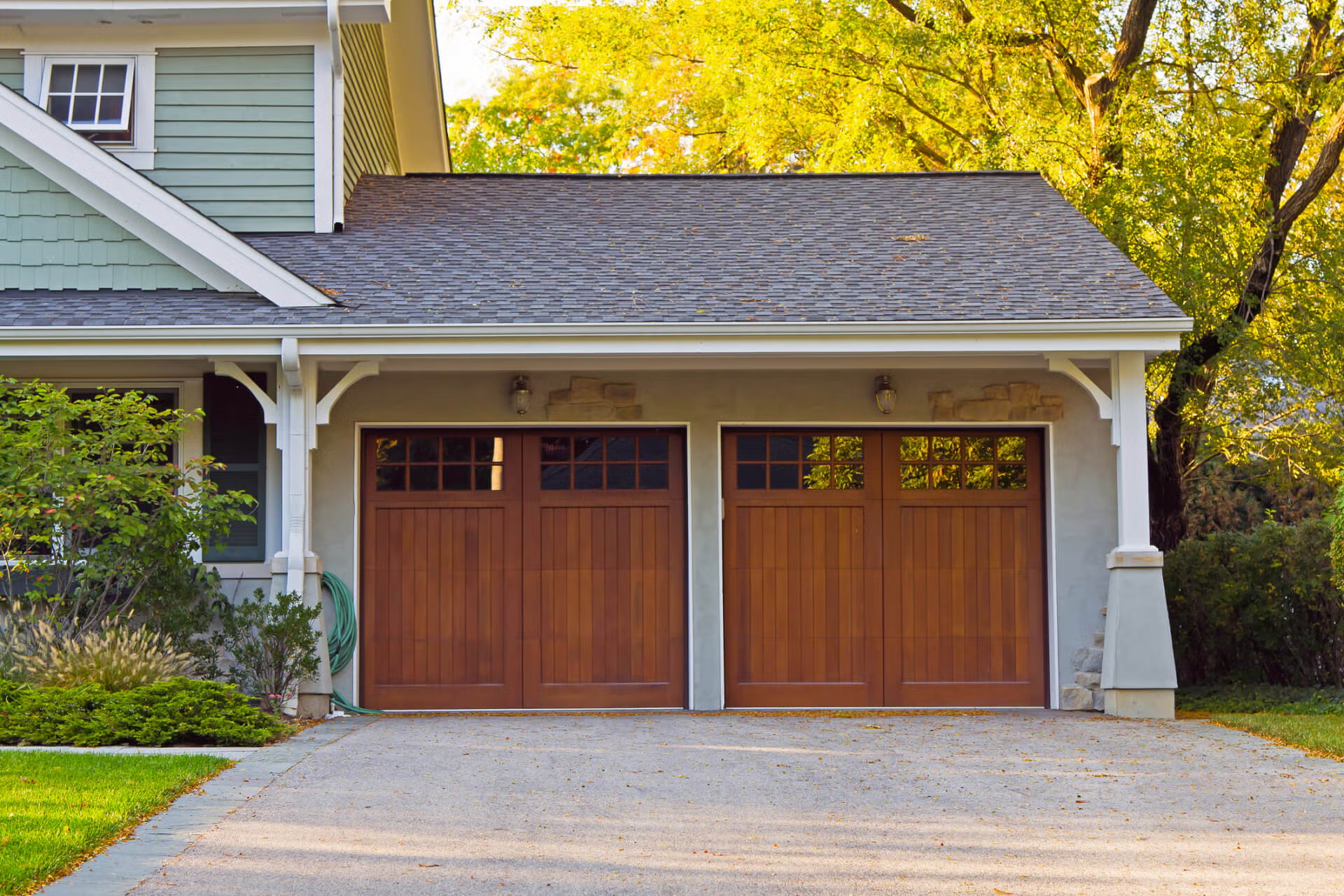
Summer is a great time to swim, grill and clean the garage. That’s right – summer is the best time to clean out and organize your garage. If you wait until the fall, you’ll be fighting with bad weather and falling leaves. So look at your calendar and set aside one afternoon in the next seven weeks which will be WHEN you clean out your garage. Read below to learn HOW to clean the garage.
Empty
Start by removing your cars and all the other large equipment. Move all mowers, blowers and paint cans to the driveway or the yard so you can get into the corners and also clean behind shelves and storage areas. Clean the large items as they come out of the garage. There’s no point to clean the garage just to put dirty items right back into it. Use the blower on a low setting to remove dust and dirt from smaller things. Use your hose to clean off the mower and other large items and for stubborn dirt then, let these items sit outside to dry off while you do the next steps.
Purge
While cleaning out the garage, put items that need to be thrown out into separate piles. Make sure all flammable and toxic chemicals are kept in a pile that can be taken to a recycling center. If you don’t know where to take these types of items check out Earth911.com, where you will find a recycling solution for every item in your garage. Be very careful when packing your car with hazardous waste. You want to avoid any potentially dangerous spills while you are transporting it to the recycling center.
Clean
Once the garage has been cleared out, it's time to clean. Start from the ceiling and work your way down the walls. You can use a shop vac to clear out spider webs and dirt. Don’t try blowing the dirt off the ceiling or the walls until you’ve first used the vacuum to avoid blowing insect eggs or other nasty things (mice droppings) around the garage. Instead use the floor attachment of your shop vac and vacuum the ceiling and the walls. This will pull dust off the walls and make it easier to deep clean them.
The floor
Clean the floor with the shop vac instead of a broom. A broom will stir up the dust and dirt and leave it back on the walls. Using a vacuum will avoid this problem. If the floors are extremely dirty, move this step in front of cleaning the walls and ceiling. Use your blower on a low setting and blow the large debris out of the garage. There’s no point in vacuuming the walls only to stir up more dust and have to redo them. Spot wash the floor with a degreasing soap or even a dish soap mixed with rubbing alcohol. The alcohol will work to break down the oil and the soap will wash it away.
Deep Cleaning
Once the ceiling and the walls have had the large debris and dust removed, use a damp microfiber mop head on the end of the mop to deep clean them from bottom to top. (NOTE: The direction is very important. If you wash walls from the top down, you risk staining your walls when the dirty water from the top of the walls runs over the dry lower wall. But if you wash from the bottom up, the lower wall will already be damp and surface tension will prevent the wall from absorbing any of the dirty water pulled down by gravity when you wash above.)
The microfiber mop head will work to pick up any leftover dust left by the shop vac. Rinse the head out frequently or buy additional heads so you don’t have to bother rinsing the microfiber covers out when they get dirty. Let the walls dry completely.

Organizing
Before putting items back into the garage, separate them into categories. Keeping similar things together makes them easier to find. For example, keep all your gardening items together and close to the lawn mower. This way you will have an area of the garage where you know you should look when you are needing to use something. Here are some of the categories you will use to organize your garage. These tips are the same as we shared in our blog article about cleaning out your garage before moving.
- Tools - gather all your tools together and organize them by size. Remove any duplicates and keep only the good quality tools.
- Outdoor furniture - make sure all your outdoor furniture is clean and free from mold and mildew before you store it in the garage. Use a blower to remove the dust and dirt or give it a good scrubbing with hydrogen peroxide if it has mildew spots.
- Camping equipment – camping equipment should be cleaned and dried before storing in the garage. Use sunlight to remove stale smells and store it only after it’s completely dry.
- Sports equipment – bikes, scooters and skateboards should be stored together. Smaller items like balls and gloves should be placed in plastic containers with lids and labeled on every side.
- Hardware – smaller items such as paint brushes, tools and maintenance items should also be placed in plastic bins with lids. Put a label on all four sides and on the lid so that you will know what’s inside. I highly recommend using clear, stack-able tubs in the same size.

For more great DIY cleaning tips, visit Leslie's site: greencleaningcoach.com


