Author: oi_admin

The Best Non-Toxic Ingredients For Your Home

Did you know you can clean your entire house with about 7 to 10 different ingredients that you may already have right under your kitchen sink?

Here are the ingredients I use to make my home sparkle.  The best part about using these ingredients is that they are mostly non-toxic, which helps keep my family and my pets healthier:

Vinegar: I use it for everything.  It dissolves grease, soap scum and dirt, plus it absorbs odors.

Baking Soda:  A great scouring powder and a natural deodorizer.

Borax:  I use this to clean my laundry.  Borax removes dirt and eliminates odors.  Be careful around pets and children when using borax.  It may be toxic if swallowed.

Lemons:  Lemons cut greafights fight bacteria.  Lemons are great stain removers and deodorizers.

Club Soda:  Great as a stain remover.

Hydrogen Peroxide:  Acts as a bleach and helps clean mold.

Castille Soap:  A great all-purpose cleaner for the home.

Pumice Stick: I use this to help get tough stains out.

Olive Oil:  A wonderful way to polish your furniture.

Essential Oils:  Add them to your cleaning products and they great wonderful scents!

Try using some of the ingredients listed above in your home and you too can have a healthy, non-toxic, clean home!


Reduce Toxic Chemical Use by Choosing Natural Ingredients for Cleaning

Let's face it.  Many of us choose cleaning products that we think will do their best to clean our homes.  But some of these products can be harmful to our health and our environment.
The U.S. Poison Control Centers mentions that cleaning products are responsible for some toxic exposures.
The Environmental Protection Agency says that the toxic ingredients in cleaning products can cause short-term health risks, like skin irritations, watery eyes, and respiratory infections, or long-term effects, such as cancer.  
The Centers for Disease Control and Prevention says when choosing cleaning products, be sure to look on the labels for signal words, such as “caution,” “warning,” “danger,” or “poison,” that are required by law to be put on hazardous products.  
In order to keep our homes safe for our families and pets, we need to find ways to reduce or eliminate the use of toxic chemicals that we choose to clean our homes with.  One way is to use natural ingredients like vinegar, lemon juice, castile soap, water, hydrogen peroxide, and baking soda. 
The Household Products Database, from the National Library of Medicine, mentions that furniture polishes contain formaldehyde (a carcinogen), and can also cause eye, skin, or respiratory tract infections.  Try polishing your furniture with a mix of one teaspoon olive oil and one-half cup vinegar.
Fragrances in air fresheners can trigger allergy and asthma reactions.  Plus, air freshener fragrances may contain tiny particles that can lodge in your lungs.  Try cleaning your indoor air by opening up those windows and bringing some clean outdoor air into your home.  Placing bowls of baking soda around your home can also keep your home smelling fresh and clean.  
Fragrances in detergents contain phthalates, which have been linked to cancer. Some detergents contain alkyphenol ethoxylates, which are suspected hormone disruptors. Fabric softener fragrances may also contain chemicals that have been linked to cancer. Clean your laundry with recipes that conatin natural ingredients like borax, lemon juice, hydrogen peroxide, vinegar, or washing soda.
Chlorine bleach can burn skin and eyes and may be fatal if swallowed. Mixing bleach with products containing ammonia also creates a highly toxic chlorine gas. Many scouring powders, cleaning solutions and laundry products contain bleach.
Scrub sinks, tubs and countertops with a paste of water and baking soda or washing soda.
Clean windows with a spray bottle mix of water and one cup vinegar. 
To disinfect kitchens and bathrooms, apply a mix of water and baking soda. 
Use warm water and plain soap instead of antibacterial soap.
Reduce your exposure to toxic chemicals by switching to non-toxic cleaners and make your home and our environment safer!  

Celebrate with Your Loved One by Going Green on Valentine's Day

Happy Valentine’s Day! 

Did you send that “special someone” a gift yet?  If not, there’s still time!

Show your loved ones that you are thinking of them and the environment by going green!

~ Send your loved ones e-cards.  This way they can receive them anytime, anywhere.

~ If you prefer sending a card other than an e-card, make sure the card is made from tree-free or recycled paper.  Usually the cards will mention this on the back.

~ Show them how much you care by giving them perfumes made from natural ingredients.

~ Eco-friendly jewelry made from metals, gemstones, and wood are sure to be a big hit this Valentine’s Day.  Or, save money and buy pre-owned jewels.  If you are planning on proposing, think of buying an eco-friendly wedding ring.

~ Gift cards or gift certificates to health food stores or health spas are very thoughtful and much needed!

~ Capture the beauty of the earth by taking a romantic stroll through the park or touring a wildlife reserve or museum.

~ For those wanting to give flowers or make a romantic dinner this evening, support your local farms, produce stands, and flower shops by shopping local.  Don’t forget to buy organic fruits and vegetables!  Earth-friendly candles and a bottle of organic wine will complement your romantic setting beautifully!

~ If you prefer to dine out this evening, save gas and dine locally.

~ For a thoughtful but sexy gift, buy lingerie made from organic, silk, or bamboo.

~ Organic or Fair Trade chocolate is a perfect gift for the chocolate lover in your life.

~ Instead of buying a gift for that special someone, why not donate to a good cause in that person’s name?  Choose a charity or cause that they believe in.

~ My personal favorite gift of all time…..let your loved one feel like a queen for the day and hire a professional green cleaning company to come in and clean your home!

However you choose to celebrate this special day today, keep your environment in mind by going green!

Keeping Your Home Safe

This past weekend was a tough one here in New York.  Twenty inches of snow fell in my town.  Some towns even got thirty inches.  But it is winter, so the snow is expected.  What surprised me about this blizzard, however, was not the amount of snowfall we received (even though the weatherman told us nine inches of snowfall maximum), but the amount of homes that went on fire.  In fact, two of the homes were right near mine.  So today I would like to remind everyone how important it is to keep your home safe through the rest of the winter and into spring.

When trying to keep your home danger-free, here are some things to consider:

-          Check for signs of water leakage and water damage (leaky pipes, damage to external part of house, etc.).  Fix them to prevent mold.

-          Large amounts of moisture can create breeding grounds for bacteria, mold, dust, pollen, mites and dander.  Change filters and keep humidity level between 30% to 50%.

-          Prevent dust in the home as much as possible.  Use a HEPA filter vacuum, leave shoes at the door, change air conditioning filters monthly, avoid smoking in the home, declutter, clean your home at least once a week.

-          Lessen toxic cleaning chemicals in your home by using natural homemade cleaners and green cleaning methods.

-          Reduce exposure to Volatile Organic Compounds (VOCs) by switching to low VOC products.

-          Limit your formaldehyde intake by using non-toxic, formaldehyde-free products.  Formaldehyde is found in glues, paints and adhesives.  Use fans and open windows to clean your air.

-          Install carbon monoxide detectors in your home.

-          Have your home tested for radon and asbestos.

-          Install smoke alarms in your home.  Also, prevent electrical failure – check circuit breakers.  Faceplates should cover switches and outlets.  Check wattage in bulbs.  Make sure electrical appliances are in good working condition and do not overheat.

-          Avoid using toxic pesticides inside and outside of the home.

Great Smelling Natural Household Cleaning

These days you don't have to use harsh chemicals to clean your home.  There are many antibacterial cleaners on the market today that can be used around the house for cleaning, doing laundry, or even for personal care.

Personally, I prefer making my own antibacterial cleaners with natural ingredients of my choice.

Many natural alternatives to chemicals have antibacterial properties that work just as well. Soap and water is the cheapeast and least hazardous way to kill germs effectively.  For quicker cleaning of countertops and baseboards, making a homemade antibacterial spray with great smelling essential oils can also get the job done.

Essential oils come from all types of plants which are broken down into their purest form.  Some of these oils contain natural antibacterial ingredients.  

One of my favorite oils to use when cleaning comes from the thyme plant.  Thyme has actually been proven to be a better antibacterial agent than most of the toxic chemicals that are found in common hand cleaners and soaps.

Lavender is another oil that can be used for antibacterial purposes.  Lavender also has great antiseptic and antiviral properties.    

Rosemary and Peppermint essential oils are also good antibacterial agents. Peppermint is great to add to household cleaners because of its smell. 

Citrus essential oils like orange, lemon, lime, grapefruit, and lemongrass are all wonderful at killing bacteria.  Orange oil also has antiviral and antiseptic properties.  

Eucalyptus essential oil is also a favorite of mine that has anti-fungal, antiviral, antiseptic and antibacterial properties.  I add a couple drops of this to my homemade cleaners all the time!

Another common oil known for its antibacterial property is Tea Tree oil.  Tea Tree essential oil is also a great antiseptic, antiviral, and anti-fungal cleaner.

When making your own homemade cleaner, add about 2 or 3 drops of your favorite essential oils to one cup of water.  Pour mixture into a spray bottle.  Shake well before using.  Spray on surface and let it air dry.  Keep mixture stored in a cool, dark place.

When using oils to clean, make sure to use 100% essential oils, not "scented" oils.  Essential oils can be found at health food stores and can also be purchased online.

Easy Ways to Keep A Clean Home

Don’t have enough time in your day to clean ?  Don’t like to clean?  Then these tips are for you!

Here are some  of the easiest things to do to help keep your home clean and germ-free:

One of the simplest things you can do to reduce the dirt coming into your home is to put a solid shoe scraper matt at each entry point of your home. Reducing dust and dirt from your shoes will reduce the number of times you need to clean the floors and carpets. 

Clean the air in your home with plants.  Many indoor plants have been proven to remove harmful volatile organic chemicals (VOCs) from indoor air.  This way your home will smell cleaner, which can also improve your physical health and well-being.  The asparagus fern (Asparagus densiflorus), English ivy (Hedera helix), waxy leaved plant (Hoya carnosa), the purple waffle plant (Hemigraphis alternate) and the purple heart plant (Tradescantia pallida) have all been proven to clean indoor air.  

Throw away old those rags and sponges and use microfiber cloths to clean instead!  With microfiber cloths you can also skip cleaning products and paper towels altogether. Microfiber cloths are made from a polyester and nylon blend that grabs and holds dust, dirt and grime. The cloths can hold six times their weight in water! Microfiber cloths are also eco-friendly because they reduce water usage, reduce the use of cleaning products, paper towels, and other disposables used for cleaning, and they thoroughly remove dust, allergens and bacteria.

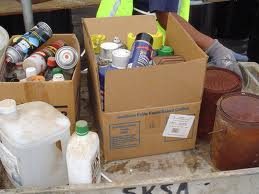
Remove toxic products from your home.  Get rid of the oven cleaner, the furniture polish and the bleach.  Believe it or not, small amounts of toxic chemicals leak out of these cleaners which can float around the air in your kitchen. 


Keeping Your Home Germ-Free

We know by now that proper hand washing and drying is one of the most important ways to reduce your risk of contracting and spreading colds and the flu virus, but what about your home?  It is also very important to keep surfaces and common areas in your home clean.

Remember, flu viruses can survive on surfaces for up to eight hours!

Disinfect your home by cleaning with homemade cleaning solutions that are healthier for your family and safer for the environment.

 For an all-purpose disinfectant, try using one part vinegar to two parts water solution.

If you don't like the smell of vinegar, try mixing two cups of distilled water with one and a half to three teaspoons of liquid castile soap and one teaspoon of tea tree oil to clean your home instead. 

For cleaning larger areas throughout your home, mix one half cup of borax with one gallon of hot water. Adding hydrogen peroxide (3%) solution is also a great way to disinfect.  

Stay healthy this flu season.  Wash your hands properly, and keep your home free of germs as much as possible.  These two easy preventative measures can drastically reduce the risk of infection.


Is It The Cold or Is It The Flu?

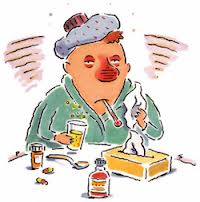
The cold and flu season is underway and sometimes when we get sick it can be difficult to distinguish between catching a cold or getting the flu.

Because both the flu and cold have the same symptoms such as a runny nose, aches and pains, and a sore throat, it is best to try and find out exactly which one you have so that you can treat it accordingly.

The first sign to look at is your body temperature.  A normal body temperature is about 98 degrees.  If your temperature goes up to around 100 – 102 degrees, you have a fever, which can mean you may have caught the flu.  A cold usually does not raise your body temperature.

The flu usually comes on suddenly.  Your aches and pains are a little worse than they would be with a cold, and you may feel weak and tired.  The flu also has the ability to turn into pneumonia or bronchitis if you do not allow your body to rest.  In some people, a cold can develop into ear infections or sinus congestion.

Whether you have the flu or a cold, drinking lots of fluids and getting a decent amount of rest will help relieve your symptoms.  Sometimes doctors may prescribe antiviral medications for the flu, however, these types of medications will not work if you have a cold.  Because the cold and flu are caused by viruses, antibiotics will not help.  Why?  Because antibiotics treat bacterial infections.

Before taking any meds to help your flu or cold, talk to your doctor first.  Many over-the –counter medications have side effects that can be dangerous to your health.

What Every Family Should Know

Most people use cleaning products that they know and trust.  But, do they know what ingredients actually make up that cleaning product?  There are many household cleaning products that have been known to cause health problems.  These health problems can range from mild, such as a headache or dizziness, to severe, such as cancer or neurological disorders.

Since the majority of people use at least one cleaning product a day, knowing what you are cleaning your home with is important.  The body has a hard time absorbing certain chemicals, so if you are using something the body cannot absorb, those chemicals can accumulate over time which may become harmful. 

In order to protect our families from harmful chemicals, we need to inform ourselves first.  Get used to reading product labels.  Research the “Household Products Database.”  Learn easy and inexpensive recipes that you can make at home that do not contain harmful toxins (www.blog.maidbrigade.com is full of great inexpensive, natural recipes and tips that you can use to clean your home)!

Be aware of ingredients such as formaldehyde, phalates, organochlorides, volatile organic compounds, and pesticides.  All of these have been proven to cause all kinds of health issues, such as birth defects, asthma, allergies, reproductive problems, and even cancers.

Learn the heart of “green cleaning” so your home stays HEALTHY and clean! 


The Latest Findings Associated with Allergies

A report published yesterday by the journal Thorax suggested that kids who eat fast food more than three times a week or greater are likely to have more severe allergic reactions.

Allergic reactions include eczema, rhinitis (hay fever), and bouts of asthma.

The study shows evidence of the possible harms of fast foods.  It does not prove that the foods themselves cause the problems because fast food eaters may have other things in common. The study does however give scientists new clues in the search for environmental factors that might be contributing to a worldwide surge in allergic disorders. Among the dietary suspects: Certain fats, salt, sugar and preservatives are among the dietary suspects.  More research is ongoing.


source:  www.healthday.com


Declutter While You Clean

The holidays are over and what a fun-filled time it has been!  It's a new year now...time to refocus, reorganize and clean!

Every year while I am taking down my holiday decorations, I like to clean and declutter at the same time.  This way I feel as though I have a fresh clean house to start the new year off right.

Here are some great ways to add a little decluttering into your new year's cleaning:

Before you can organize, you need to declutter.  This does not mean you have to get rid of everything you own!  It simply means sorting out items and keeping them under control.

Decide which room to start in and pick a small area that needs attention.  Start in a place that won't overwhelm you right from the start, like a corner of your bedroom or a draw in your kitchen.

Get 4 large bins and label each bin:  Bin 1 - "Put Away," Bin 2 - "Keep," Bin 3 "Donate," and Bin 4 - "Broken." Have a trash bag on hand as well.

Take everything out of the space you are cleaning, put it aside and clean the area thoroughly.

Sort out the items put aside by placing them in the proper bins.

After all the items are in the bins, start emptying the bins.  Put the items back that belong in the area you just cleaned, and put the items that belong someplace else in the house back in their designated spots.

Move on to the next spot and get ready to tackle it the same way... empty, clean, declutter, put back.

This routine will help you manage your home and stay on top of those "quick clutter" areas like kitchen counters, dresser drawers, hall closets and desk tops, that seem to clutter up the quickest.

Good luck and have fun!

Finding Happiness Among the Sadness

These past few months have been extremely emotional for us.  Between the aftermath of Hurricane Sandy followed by the devastating loss of 20 children and 6 adults at the Sandy Hook Elementary School shootings, the holidays don't seem as happy as they should be.

My heart goes out to the families that have lost their loved ones in this horrible, unexplainable crime.  I will continue to pray for them and hope that somehow they can get through this extremely difficult time.

For the rest of us that are trying to find peace and happiness during this holiday season, I have attached an article that just might help....Enjoy....

http://www.newsday.com/opinion/oped/wheary-helping-others-bring-light-into-the-darkest-month-1.4354446


source:  newsday.com