Tag: Leslie Reichert

How to Clean Glass Light Fixtures, Shelves and More

There are a few things that hardly ever get cleaned in your home, yet when they get forgotten, they make your home look neglected.  To make sure your home looks and feels cared for, take a few extra minutes to clean glass light fixtures and overlooked items at least every three months, or more often if you’ll be entertaining.

Light fixtures

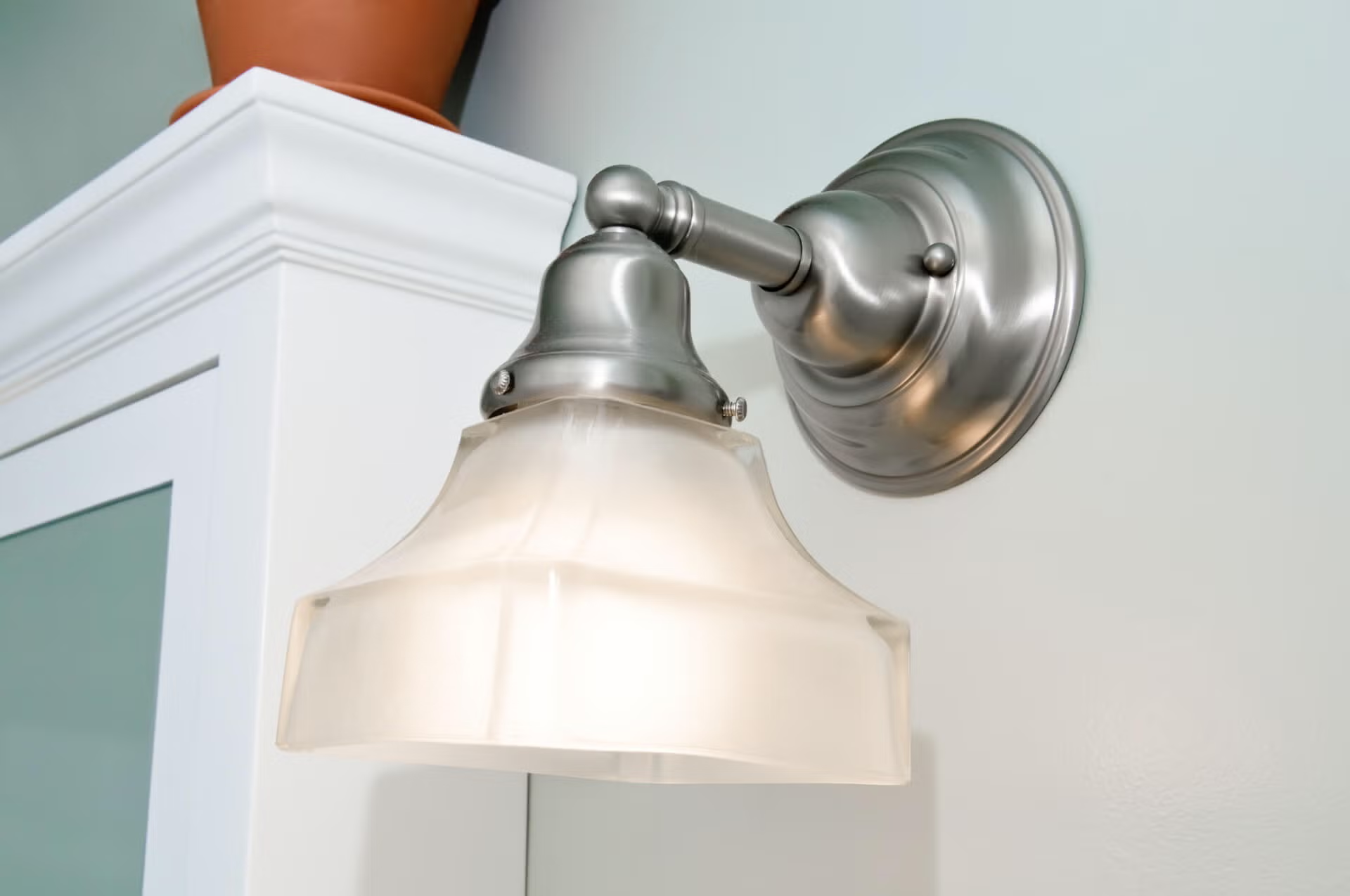
When light fixtures are clean you really don’t notice them, but when they are foggy and filled with cobwebs and dust they definitely let your guests know you’re not paying attention to the little things. The best part about cleaning your light fixtures is that you have an appliance in your home that’s willing to do this job for you – just pop the fixtures in your dishwasher.

how-to-clean-glass-sconce

Wipe any dried on water spots with a damp microfiber cloth. If you can’t take the fixture down from the ceiling, use a microfiber cloth on an extension rod to remove the dust.  Also clean glass globes from chandeliers and sconces in the dishwasher after removing them from the fixture.

Glass shelves

Glass shelving is beautiful inside cabinets and showcases. Even though they’re inside a cabinet they still get dirty. Dust and dirt work their way inside the cabinet and turn those beautiful shelves into a dusty foggy mess. Clean glass shelving by removing the items on the shelf and using a fine woven microfiber cloth designed specifically for glass.

how-to-clean-glass-shelves

Make sure the cloth is damp, not wet. After wiping the cloth over the glass shelf, finish with a dry microfiber cloth which will make the glass look perfect. If It’s been awhile since you’ve cleaned the shelves, you may want to take a minute and wipe the underside of the shelf as well.

Hardware

Door handles and drawer pulls are another often-overlooked item when cleaning the kitchen cabinets, but they’re some of the grimiest places in your home. Hand oils mix with dirt and dust to create a thick residue that can remove the finish on your hardware, so this hardware should get cleaned every three months to prevent damaging buildup.

how-to-clean-cabinet-pulls

Clean the handles and pulls with some soapy water and a gentle cloth to wash away oils and leave the pulls looking like new. For severe buildup, spray some rubbing alcohol onto a microfiber cloth and wipe them down to break up the grease and grime.  Then finish by washing with warm soapy water, a cleansing rinse and towel dry.

Fan blades

Have you ever leaned back to relax in your recliner only to notice a huge amount of dust on the blades of your ceiling fan? Ceiling fans collect dust whether they are moving or not.  People think that turning on a fan will remove the dust. Not so. Even a moving fan paddle collects dust on the front edge of the paddle. A quick trick to removing the dust from a ceiling fan is to use a pillow case. Put the open end of the case over the fan paddle. Hold the pillow case against the paddle and pull it off. The dust on the top and sides of the fan paddle will come off inside the pillow case to avoid getting dust all over the room. Then simply take the dusty pillowcase to the wash.


About Leslie

Leslie Reichert is a cleaning expert that uses her sparkling personality, great sense of humor and contagious passion to encourage her fans and followers to think differently about what they are using in their homes. Leslie is known as a Green Cleaning Coach and she is changing the world - "one spray bottle at a time".  She is a national lecturer, a frequent homekeeping expert on The Dr. Oz Show, Martha Stewart Living Radio, Maid Brigade’s DIY Cleaning Expert and author of the book: The Joy Of Green Cleaning. She works with Better Homes and Gardens, Real Simple, Today.com and other national publications.  You can find her at www.greencleaningcoach.com

Is your home a tad stinky? Use these odor control tips.

Is your home smelling a little stinky?  This usually happens during the winter. We close up our homes in October and don’t open them up again until April. That means we’re living with the same air for six months. If you’re smelling some unusual odors in your home, read on for a plan to help you control odors in your home and freshen up:

Garbage Cans

Clean the inside of the trash can by washing it with hot soapy water. Then deodorize it with distilled white vinegar mixed with an essential oil.

clean-trash-can

You can make a "garbage sachet" to place at the bottom of the pail beneath your trash bag: place some fresh coffee grounds and whole cloves in a clean coffee filter, and tie it closed using string, a twist-tie or a rubber band. Simple!

Refrigerator

Don't just remove rotten food, but also clean the shelves and drawers to remove any rotten liquid. When things rot in a refrigerator, they tend to leak and leave a terrible smelling fluid. Clean and disinfect that area using distilled white vinegar or hydrogen peroxide and a microfiber cloth. Or remove the shelves and wash them in the kitchen sink with hot soapy water.

Pet Smells

Smells from your pets can be removed with consistent cleaning. You should vacuum two to three times a week to remove pet hair, fur and dander.

control-pet-odor

Pet beds should be washable or have removable covers - launder every week. Keeping your pet groomed will also help control pet odors in the home.

Cooking Odors

Control cooking odors with a DIY air purifier. Combine 2 cups of water, some baking soda and a few lemon peels in a pot and heat the mixture on your stove. The aroma will work to remove those stinky smells.

Bathroom

Areas around the toilet can have what I call "little boy syndrome" where the urine sprays out of the toilet and embeds into the walls, woodwork and flooring. Regular cleaning with a good cleaner AND a disinfectant will work to control those odors.

Clean-odors-around-the-toilet

The inside of the toilet also needs to be cleaned well. You can use a simple mixture of salt, baking soda and borax to make a toilet bowl cleaner that will clean and remove smells. If you have a toilet bowl that has stains - use a pumice stone to remove those stains.

Carpeting

Carpets hold smells like a sponge. Fill a spray bottle with bottom-shelf vodka and spray that over smelly areas. When the alcohol evaporates it carries the smells away with it! This tip will also control odors on smelly fabric furniture.  If the carpet and furniture are really bad you should spend the extra money and hire a professional to steam clean them.

Garbage Disposal

Your garbage disposal can be the cause of a stinky sink.

clean-the-garbage-disposal

To correct that, clean the garbage disposal by grinding a mixture of ice cube, salt and frozen lemon peels. Let it run for a few minutes, then flush with boiling water. Fresh!

Bed Linens

Launder bedding weekly. In nice weather hang everything outside to dry, where the sun and fresh air create ozone that helps remove stale odors from pillows and quilts.

Closets

Stinky shoes can really make your closets smell terrible. Control odor in your shoes by spraying some newspaper with distilled white vinegar then crinkling it up and placing it inside your shoes.

control-odors-in-the-closet

If you don't want to use newspapers, you can spray the inside of your shoes with rubbing alcohol or vodka. Add a few drops of an essential oil into the alcohol or vodka to help cancel out the alcohol odor.

Stale Odors in Rooms

General bad smells can be removed by spraying door jambs with vinegar and your favorite essential oil. By spraying the jams of all the doorways you will get a clean fresh smell when entering into the room!

Workout Clothing

Exercise clothes retain sweat smells and are extremely difficult to remove.  There are some new laundry soaps that work great to remove these smells. Borax or baking soda are great additives to the laundry to get rid of smells too. Just add a tablespoon to your regular laundry soap.

Repeat these tricks to control odors in your home year-round, but especially in the winter. Happy cleaning!

Toxic Household Dust - It's in YOUR Home

Toxic-household-dust

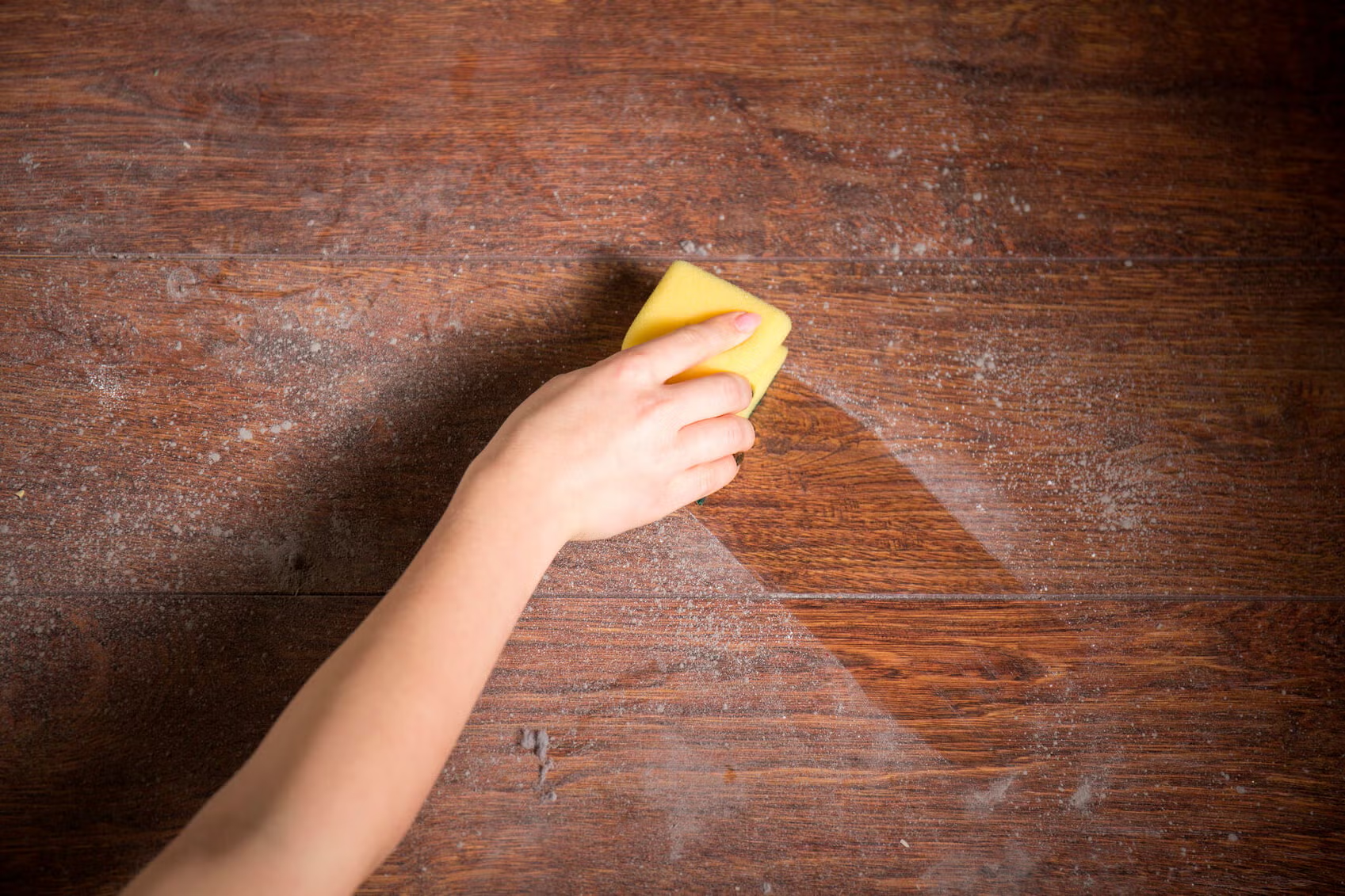
Do you realize the dust in your home is probably toxic?  The Silent Spring Institute, dedicated to researching the effects of toxic chemicals on health, recently conducted a study testing the presence of 45 synthetic chemicals in household dust. There were 10 chemicals that were present in 90% of the samples tested. This suggests toxic household dust is everywhere.

I was fortunate to be able to interview one of the scientists from the study and I’d like to share some of the highlights of our time together.

Robin Dodson is a research scientist that specializes in chemical exposure and risk assessment. Robin and her colleagues found that there are a wide range of toxic chemicals in our household dust.  This may be the reason why our homes are considered more polluted than outdoor air.

Robin explained that the chemicals in our homes are interacting with the dust. The dust actually becomes a reservoir for the chemicals.  The dust shows the scientists a snapshot of the toxins that are in a home.

Of those 10 pervasive chemicals, Robin and her team identified two as the worst. Phthalates, which are considered hormone disruptors, were found in every sample – the worst offenders.  Phthalates can be found in plastic toys, vinyl and the fragrances in household cleaning and personal care products.  By law, the formulas of these fragrance components are considered “trade secrets” and manufacturers are not required to disclose such ingredients on package labeling. This makes it extremely hard for consumers to really know what’s in any given product that has a fragrance.

Phenols, chemicals found in cleaning products, were the second biggest offenders.  Phenols are used in synthetic fragrances found in cleaning products, body care products and perfumes. They are considered hormone disruptors.

The takeaway is that the scents we smell after using a cleaning product do not disappear. They are still in our homes even after their scent goes away.

Body care product manufacturers are required to list their product ingredients on the package label. But unfortunately, cleaning product manufacturers do not have to list their ingredients so you MUST do research if you want to find out what they are using in their products.

babies-crawling-on-toxic-household-dust

Children suffer the most from exposure to these chemicals. Their bodies are still developing and their exposures are proportionately higher doses than adults due to their small size. Children also spend a lot of time on the floor, commonly putting their hands in their mouths.  Therefore they are ingesting toxic household dust! Pets are also at risk, spending a lot of time on the floor and exploring their environment with their noses and mouths.

There are some simple solutions to removing toxic household dust from your home. Vacuuming often with a HEPA-filtered vacuum cleaner is one simple solution. The other is to have your children wash their hands often. And finally, try to avoid products that contain synthetic chemicals, especially fragrances.

Silent Spring Institute has a free app, called Detox Me that will help you think differently about the chemical load you may have in your home.  Their app shows you where there may be a problem in your home and gives you alternatives.

Listen to the full interview here.